

Veteran banker Atedo Peterside has said President Bola Tinubu’s economic reforms are widening the gap between rich and poor Nigerians, arguing that wealthy investors have gained while tens of millions of low-income households have sunk deeper into hardship. The founder of IBTC Bank, now Stanbic IBTC, made the remarks in an interview on Arise News, as reported by Nairametrics and The Sun.
“The rich are getting richer”
Peterside, who also heads the ANAP Foundation, said whether the reforms are “working” depends on who you ask. In his view, upper-middle-class Nigerians with investments in financial markets have done well over the past three years, while salaried workers and the poor face higher living costs and weaker purchasing power.
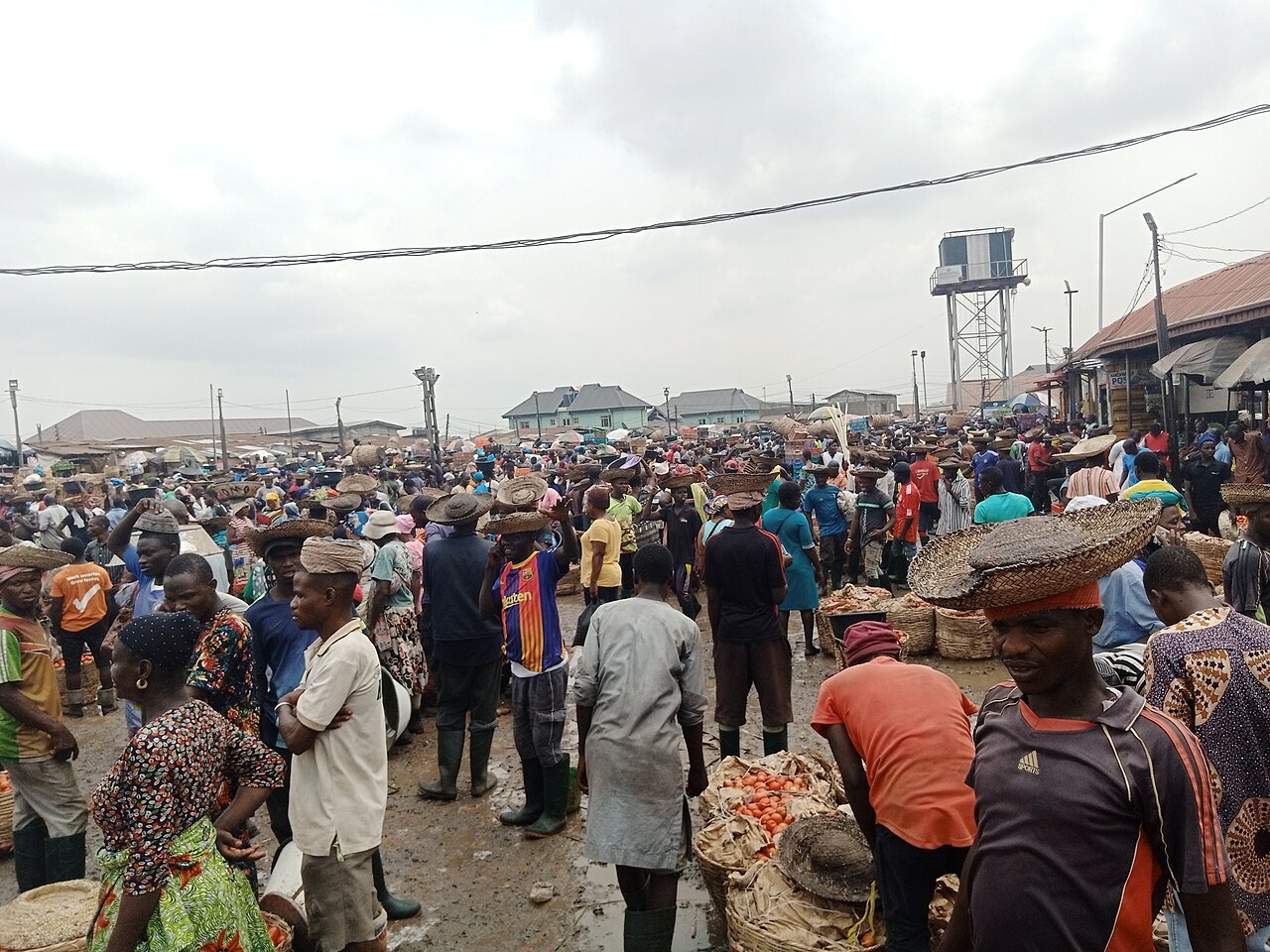
“The rich are getting richer, the poor are getting poorer,” he said, according to Nairametrics. He acknowledged that his own investment income had risen, but said that was the wrong yardstick for judging policy. He said his concern was for the roughly 130 to 140 million Nigerians he described as poor and getting poorer, and he referred to around 100 million people who struggle to afford two meals a day.
A “zonal problem” of poverty
Using official poverty data, Peterside set a 50 per cent poverty rate as a “pass mark” for states. By his count, only about 12 states and the Federal Capital Territory passed, most of them in the South-West, along with Anambra, Edo and Delta, The Sun reported.
No state in the North-West or North-East passed, he said. All seven North-West states, all six North-East states, four North-Central states and four South-South states had poverty rates above 50 per cent. He described high poverty in Nigeria as “largely a zonal problem”.
He also suggested that policymakers based in relatively prosperous cities like Lagos and Abuja may underestimate the hardship in regions they rarely visit.
Safety nets “never put in place”
Peterside’s central criticism was the absence of adequate social protection to shield the poorest from the shock of the reforms. He said the government carried out the reforms but never put adequate safety nets in place for the very poor.
The Tinubu administration removed petrol subsidy in May 2023 and unified the foreign exchange market soon after. Both moves were praised by investors and international lenders but sent fuel, transport and food prices soaring. The Nigerian Exchange has since boomed: Nairametrics reported in May that market capitalisation rose about 348 per cent in Tinubu’s first three years, from around ₦30.38 trillion to ₦160.09 trillion.
The government has pointed to its cash transfer programmes as evidence that it is cushioning the poor. Nairametrics noted that about ₦658.9 billion was reportedly paid to 10.46 million vulnerable households as of October, while the World Bank has flagged gaps in coverage, payment size and consistency. The Federal Government has also just begun a new ₦50,000 monthly cash relief scheme for vulnerable households.
What happens next
The Presidency had not responded to Peterside’s comments at the time of writing. His remarks add to a growing debate over who is benefiting from the reforms, coming days after former President Olusegun Obasanjo criticised the government’s borrowing and as Tinubu seeks Senate approval for fresh foreign loans.
With the 2027 elections approaching and the 2027 budget expected before the end of the year, the cost of living is likely to remain at the centre of political campaigns, and pressure will grow on the government to show that its reforms are improving life for ordinary households, not just market indicators.
Sources: Nairametrics, The Sun, Arise News.