

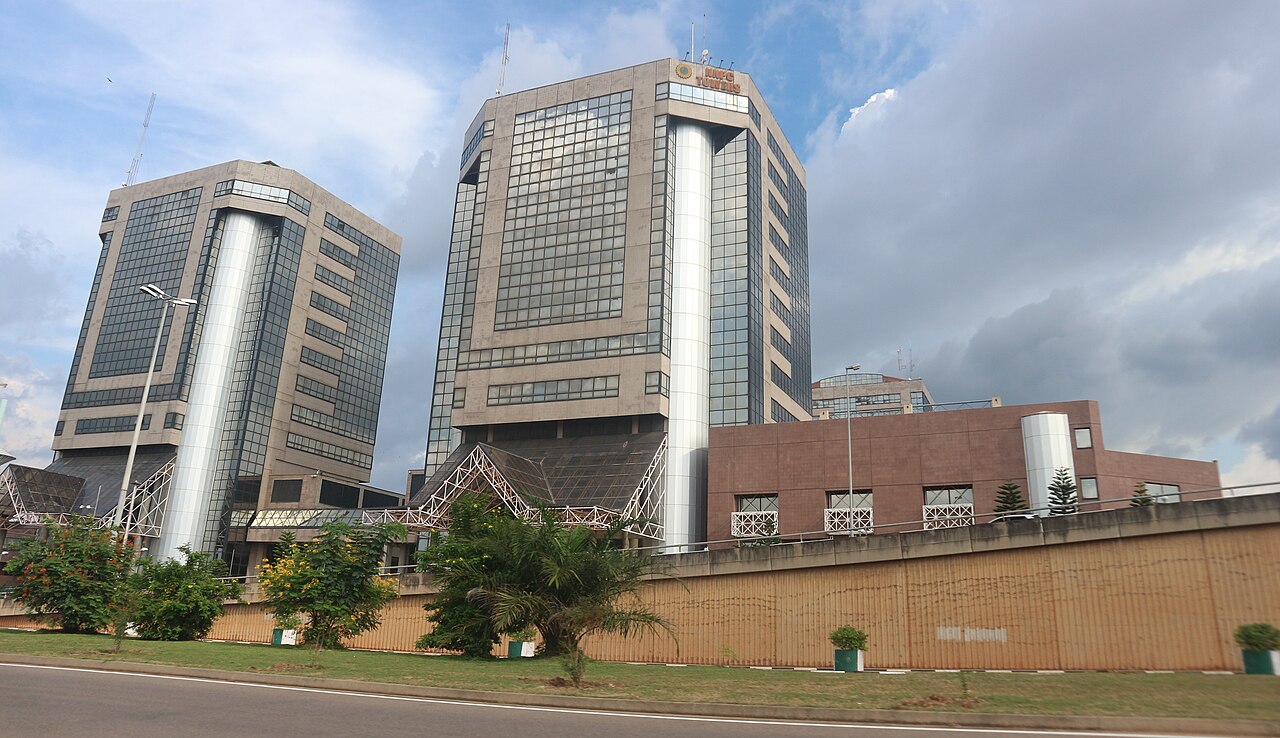
A blame game has opened over the power outages that have left homes and businesses in Lagos, Abuja and several other states in darkness for days. The Nigerian National Petroleum Company (NNPC) Ltd says its gas pipeline network is not the reason electricity generation has fallen, even though the Minister of Power, Joseph Tegbe, and the grid operator listed gas shortages among the main causes.
The dispute comes as millions of Nigerians wait for the relief the minister promised within 48 to 72 hours, with grid operators rationing what little power is available through load shedding.
NNPC: “Gas supply availability is not a challenge”
In a statement signed by its Chief Corporate Communications Officer, Andy Odeh, NNPC said the transport network run by its subsidiary, NNPC Gas Infrastructure Company Limited (NGIC), remains available to deliver gas to power stations across the country without constraints, according to Premium Times, Vanguard and Blueprint.
The company said NGIC’s operational records do not show any transportation-related problems and that gas production has grown by about 10 per cent so far in 2026. It argued that gas production, commercial supply arrangements and actual deliveries to power plants should be assessed separately, suggesting that the problem may lie in contracts and payments rather than in the pipelines themselves.
Blueprint reported that NNPC was responding to a 5 November statement by the Nigerian Independent System Operator (NISO), which partly blamed lower generation on limited gas availability and reduced water inflows into hydroelectric dams. The NNPC statement did not give gas volumes or name specific pipelines.
What the power minister said
In a statement released on Friday, 6 November, Mr Tegbe attributed the outages to three problems happening at the same time: planned maintenance at the Egbin Power Station in Lagos, constrained gas supply to some thermal power plants, and sabotage of key transmission lines, Legit.ng and Leadership reported.
He said Lagos was hit hardest because damaged transmission infrastructure blocked the alternative routes engineers would normally use to redirect power. According to the minister, affected generating units will return in phases, with the first coming back online within 48 to 72 hours. He said the government was working with operators to improve gas supply and speed up repairs.
An earlier ministry statement, issued through his media adviser, named Lagos, the FCT, Ogun, Kwara and Oyo among the areas affected, and also cited reduced hydro generation. It said preliminary investigations found no major systemic collapse of the grid.
Why Egbin matters
Egbin, located at Ijede near Ikorodu in Lagos State, is Nigeria’s largest gas-fired thermal plant, with an installed capacity of about 1,320 megawatts from six units. When units there are taken out for maintenance, Lagos and the wider south-west feel the impact quickly, especially when other plants are also short of gas.
Figures cited by Legit.ng showed that on the afternoon of 5 November, the 11 distribution companies shared only about 2,926MW between them, a very small amount for a country of more than 200 million people. Ikeja Electric has issued several public apologies in recent weeks for failing to meet the supply hours promised to Band A customers.
A long-running problem
Gas-to-power has been one of the weakest links in Nigeria’s electricity chain for years. Generation companies often complain of unpaid debts that make gas suppliers reluctant to deliver, while vandalism of pipelines and transmission towers regularly knocks plants and lines out of service. The end of the rainy season also reduces water levels at hydro dams, cutting another source of power.
The latest outages come at a politically sensitive time, with the 2027 election campaign under way and opposition candidates pointing to electricity as one of the government’s unmet promises.
What happens next
All eyes are now on whether the units promised by the minister return to the grid within the 72-hour window that began on Friday. If supply does not improve by early this week, pressure is likely to grow on the ministry, NISO, NNPC and the generation companies to settle their differences publicly and explain where the gas is actually being lost.
Consumers in Lagos and Abuja, many of whom are relying on costly petrol and diesel generators, will be watching their meters closely.
Sources: Premium Times, Vanguard, Blueprint, Legit.ng, Leadership.