


An 8-year-old Haitian boy whose detention by US immigration agents in San Diego sparked protests and national outrage has been released and reunited with his family. The third grader spent nearly two weeks in federal custody, much of it at a facility in Texas, and advocates say it took days just to find out where he had been taken.
His release was announced on Monday, 16 November, by US Representative Juan Vargas and the advocacy group Haitian Bridge Alliance, according to NBC San Diego, KGTV and FOX 5 San Diego. The story was also featured on US national television news on Wednesday.
Taken at a routine check-in
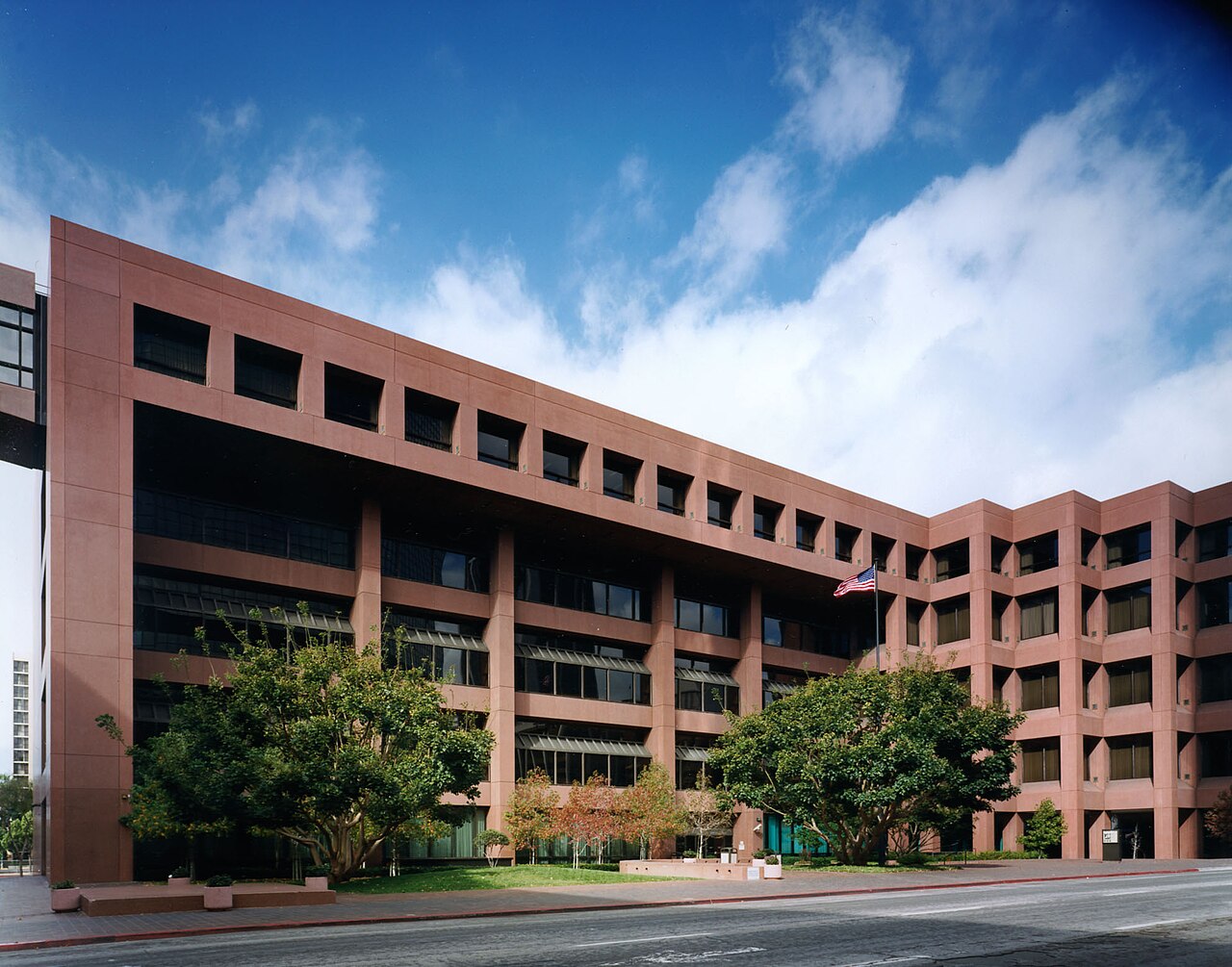
The boy, a pupil at Fay Elementary School in the City Heights area of San Diego, had gone with his uncle to a scheduled immigration appointment at the Edward J. Schwartz Federal Building downtown, where Immigration and Customs Enforcement (ICE) has its field office. Most outlets, including NBC News and KGTV, say he was taken into custody there on 4 November; some reports give the date as 5 November.
He had been living with his uncle and cousins since his father was deported last year, according to the Haitian Bridge Alliance and the San Diego Unified School District. KGTV reported that the boy had lost Temporary Protected Status (TPS), the humanitarian programme that has allowed many Haitians to live and work in the United States, and which the Trump administration has moved to end.
A volunteer observer at the federal building recorded video of armed agents walking the child away from the ICE office and into a lift, TheGrio reported. The footage spread widely online, and demonstrators later gathered outside the building to demand his release.
What ICE and DHS said
The Department of Homeland Security (DHS) rejected claims that the boy had been put into immigration detention. According to FOX 5 and KGTV, officials said the man who brought him to the check-in could not prove he was the child’s legal guardian, so the boy was placed in the care of the Office of Refugee Resettlement (ORR), as required under the Trafficking Victims Protection Reauthorization Act. CBS 8 reported that the department later said he was released after his uncle established legal guardianship.
The child’s lawyer, Andres Moreno II, told KPBS that the boy was eventually moved to an ORR facility in Texas, although he did not know exactly which one. He said the family and their lawyer at first did not know where the child was or how to contact him, and argued that ICE did not need to take him away at all.
Political pressure and the reunion
The detention drew a strong response from local officials and educators. San Diego’s Democratic congressional delegation, led by Vargas, pressed for the boy’s release. Vargas told reporters he had contacted people he knew personally inside the administration, and KPBS reported that he promised them confidentiality because they feared losing their jobs. He questioned why a child who posed no threat had been taken and sent so far from home.
KGTV reported that the boy’s uncle and Haitian Bridge Alliance executive director Guerline Jozef collected him at San Diego International Airport on Monday afternoon. Vargas shared a photograph of the reunion and said the boy seemed happy to be home but also frightened by what he had been through.
The San Diego Unified School District said the boy returned to class after his release, and that school leaders and counsellors met him first to make sure he and his family had the support they needed.
Why the case matters
The case has become a flashpoint in the wider debate over immigration enforcement under President Donald Trump’s second term, particularly arrests at routine check-ins and the impact on children. The Haitian Bridge Alliance has argued that families are often not given a chance to arrange guardianship before a parent or relative is taken into custody.
For many readers in the diaspora, the story is a reminder of how quickly immigration status can change. The ending of TPS for Haitians, if it goes ahead, could leave thousands of families, including this boy’s, more exposed to deportation.
What happens next
The boy’s long-term immigration status remains unclear. CBS 8 said it had asked federal officials for details on his status and had not received a response. Advocates say they will keep supporting the family, while local lawmakers are calling for more transparency about how children are handled when relatives attend immigration check-ins.
Sources: NBC San Diego / NBC News, KGTV 10News, FOX 5 San Diego, KPBS, CBS 8, TheGrio, Caribbean National Weekly.