

The United Kingdom has begun revoking the Global Talent visas of two Nigerian men who presented themselves to immigration authorities as accomplished fine-art photographers, after a BBC investigation concluded that the evidence behind their applications had been fabricated. The case, widely reported in Nigerian media this week, has put a spotlight on one of the few UK routes that still offers skilled Nigerians a path to live and work in Britain without an employer sponsor.
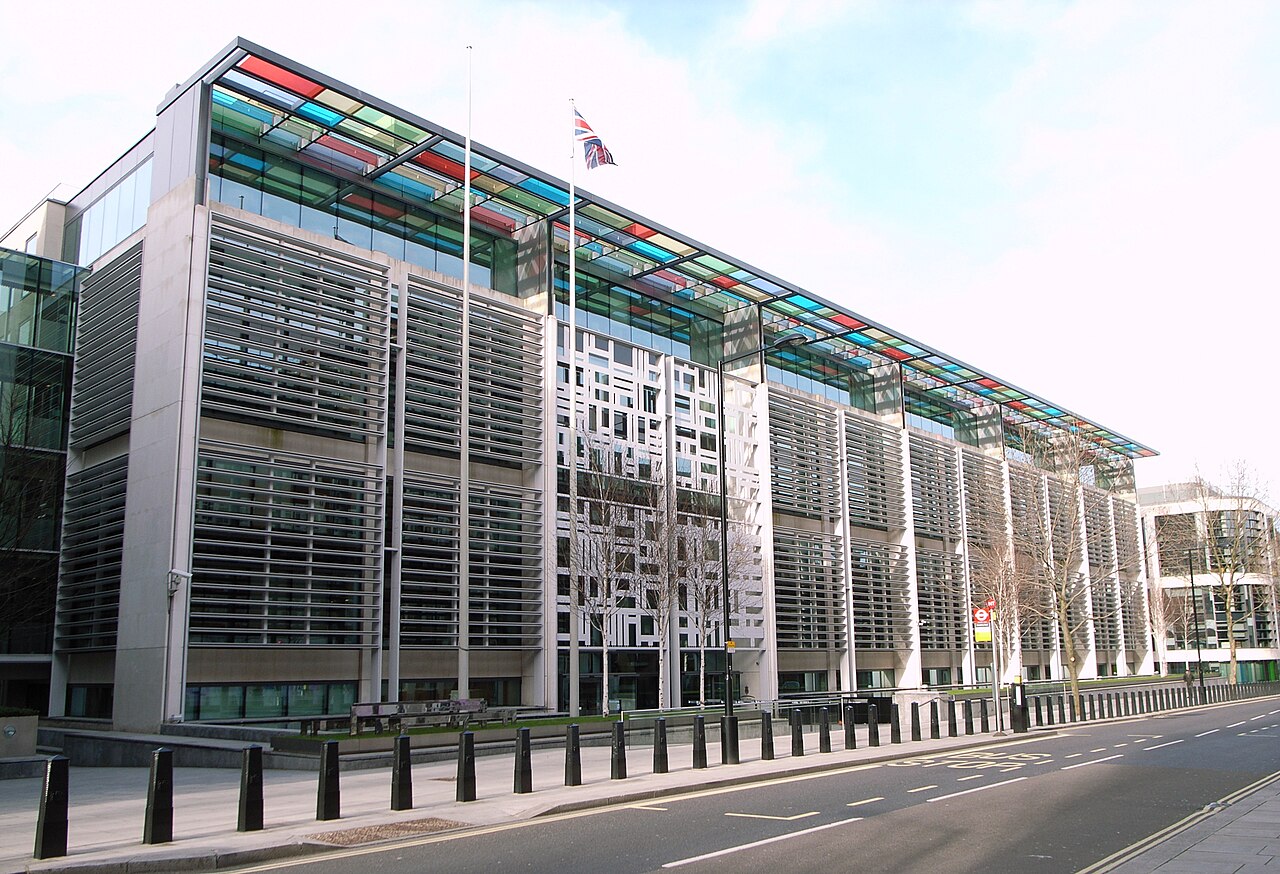
According to the BBC, the Home Office believes both visas were obtained by deception and described the broadcaster’s findings as extremely serious. The department says the Global Talent route is already under review and that the Home Secretary will take whatever action is needed to stop it being abused.
What the BBC investigation found
The BBC said undercover reporters approached consultancies, mainly in London, that offered to help migrants pose as talented artists or technology experts. Some firms, it reported, offered to arrange exhibitions, media coverage and letters of recommendation for clients. One adviser claimed that no client who bought his “fully inclusive” package, priced at more than £100,000, had ever been refused.
The Home Office told the BBC that the company offering that package is already under investigation. The broadcaster also spoke to a woman from India who said a firm she paid had invented a mentoring award and other achievements for her application through the technology route. Her application was rejected.
Arts Council England, which assesses applicants in the arts, said it takes allegations of fraud seriously and investigates cases where evidence appears to be misleading.
How the Global Talent visa works
The Global Talent visa was introduced in 2020 to attract leading and promising researchers, scientists, digital specialists and creative artists. Unlike the Skilled Worker or Health and Care routes, it does not require a job offer or a certificate of sponsorship, and applicants are not interviewed.
Instead, applicants in the arts must first win an endorsement from a recognised body. Under the rules, artists must submit at least two examples of recent press coverage that reviews or profiles their work. According to reports by Legit.ng and The Nigeria Lawyer, some of the press coverage in the two Nigerian applications is now understood to have been forged.
The route has grown in importance because it can lead to settlement in the UK, and because other work visas have become harder to obtain since salary thresholds were raised and overseas recruitment of care workers was ended.
Why it matters for Nigerians
Nigerians are among the biggest users of the artistic side of the scheme. Figures cited in Nigerian reports show Nigerians made 729 applications across the artistic Global Talent categories since 2019, second only to applicants from the United States, with about 59 per cent endorsed. Nigeria has also been the only African country among the top ten nationalities receiving Global Talent visas in recent Home Office data.
That makes the case sensitive for genuine Nigerian artists, writers and creatives, who already face high refusal rates for UK visas. Immigration advisers warn that cases of fraud tend to bring tougher checks for everyone from the same country. The UK and Nigeria recently agreed a new document-checking arrangement aimed at forged records, sham marriages and fake job sponsorships, which the UK government says will help it verify applications.
The case also lands weeks after Home Secretary Shabana Mahmood announced the “Earned Settlement” framework on 2 November, under which most migrants will wait ten years before they can apply for permanent residence, with longer waits for some groups.
What happens next
The Home Office has not said whether the two men will be removed from the UK or whether they intend to challenge the revocation. People whose permission is cancelled can usually seek a review or make representations, depending on their circumstances.
The wider review of the Global Talent route is expected to look at how evidence is checked, including press coverage and recommendation letters. Nigerians considering the route are advised to deal only with regulated immigration advisers and to treat any agent promising a “guaranteed” visa as a red flag. Paying for fabricated evidence can lead to a visa being cancelled and to a ban on future UK applications.
Sources: BBC News, Legit.ng, The Nigeria Lawyer, GOV.UK