

The diplomatic rupture between Somalia and the United Arab Emirates has deepened after the 72-hour deadline Mogadishu gave the Emirati ambassador to leave the country ran out this weekend. The federal government accuses the Gulf state of undermining Somalia’s sovereignty through port deals and security ties with regional administrations, while Abu Dhabi rejects the accusations and blames Somalia’s internal political quarrels.
The row matters well beyond the two countries. The UAE is one of the biggest investors and security players in the Horn of Africa, and the ports at the centre of the dispute sit on one of the world’s busiest shipping corridors, at the entrance to the Red Sea.
What Somalia decided
Somalia’s Council of Ministers, meeting on Thursday, 19 November, under Prime Minister Hamza Abdi Barre, ordered the UAE ambassador to leave within 72 hours and recalled Somalia’s own envoy from Abu Dhabi, according to AFP and Al Jazeera. Information Minister Abdifatah Qasim said the cabinet accused the UAE of aggression against Somalia, and officials described Emirati actions as amounting to an “open invasion”.
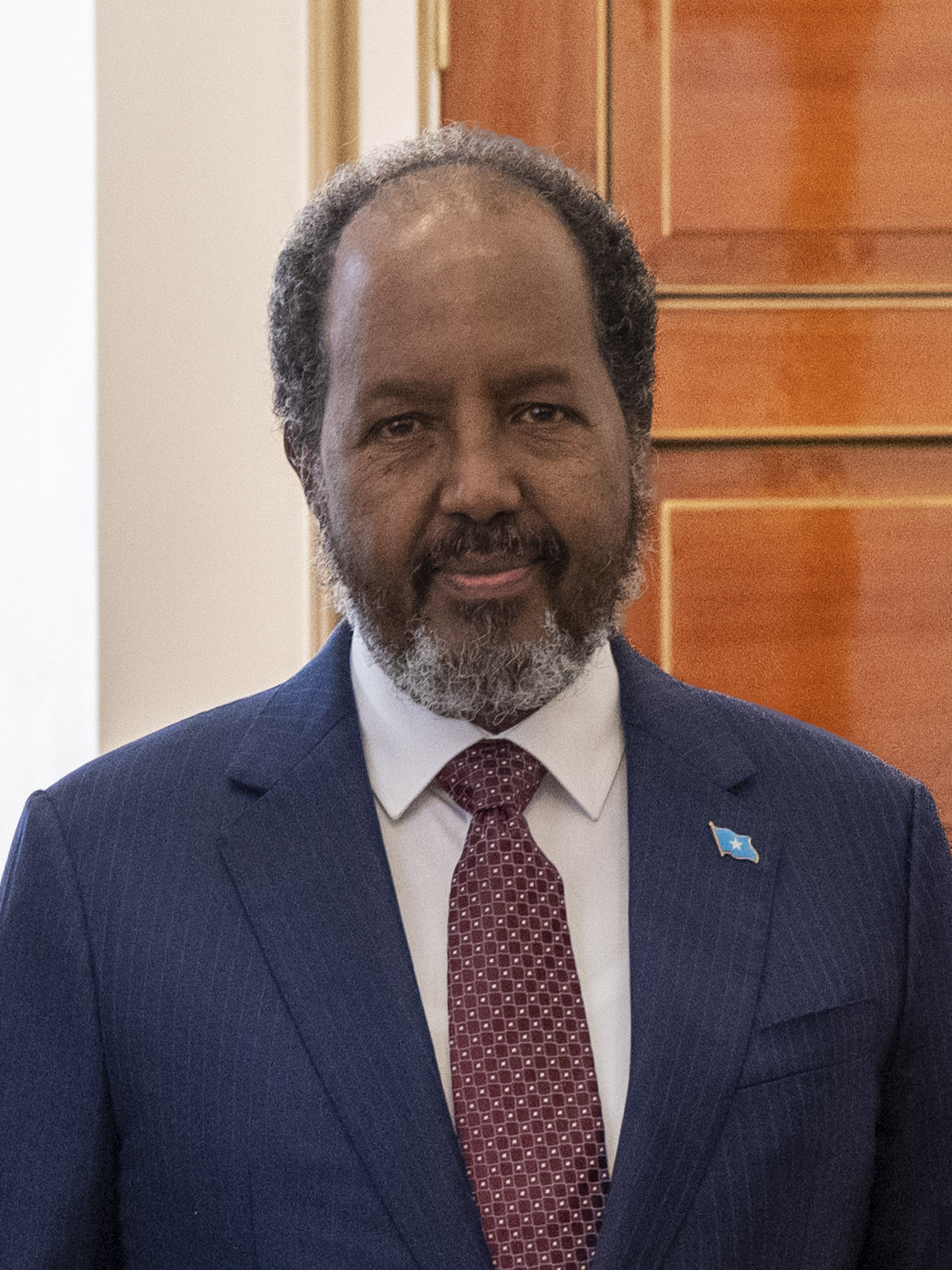
The decision followed a televised address on Tuesday in which President Hassan Sheikh Mohamud accused the UAE of giving political and financial support to some regional states so that they could oppose the federal government. He also accused Abu Dhabi of signing port agreements at Berbera, Bosaso and Kismayo without Mogadishu’s consent and of setting up military facilities outside federal control.
Somalia’s national security adviser, Aweys Haji Yusuf, later said the government would not allow its land, ports or airspace to be used to fuel conflicts in Yemen, Sudan or elsewhere, according to regional outlets citing the state news agency SONNA.
How the UAE has responded
The UAE foreign ministry condemned what it called Somalia’s escalatory and hostile approach and accused Mogadishu of letting domestic disputes damage relations, according to reports by The Arab Weekly and Hiiraan Online. It said it had already closed its embassy in Mogadishu and withdrawn its diplomats in January, which raises questions about whether the ambassador was in Somalia when the expulsion order was issued.
Abu Dhabi has long denied interfering in Somalia’s internal affairs and presents its activities in the region as support for stability and development. Regional media also reported that the secretary-general of the Gulf Cooperation Council, Jasem Albudaiwi, rejected the accusations against the UAE.
How the dispute began
Relations have been falling apart for most of this year. In January, Somalia cancelled all agreements with the UAE, covering ports, security and defence. That move came after Israel recognised the breakaway region of Somaliland in December 2025, a step many Somalis believe the UAE helped to bring about, and after Mogadishu accused the UAE of moving Yemeni separatist leader Aidarous al-Zubaidi through Berbera without federal permission.
The federal government has limited control over the regions where the UAE is most active. Somaliland, which declared independence in 1991 but is not recognised by most countries, hosts the Berbera port run by Dubai’s DP World. Puntland is home to Bosaso, and Jubaland to Kismayo. Somaliland, Puntland and Jubaland all rejected Mogadishu’s attempt to cancel the UAE agreements, according to The Arab Weekly.
The two countries have quarrelled before. In 2018, Somali authorities seized about $9.6 million in cash from an Emirati plane in Mogadishu, after which the UAE ended a military training programme in the country.
What happens next
The rift comes at a delicate time for Somalia. The UN Security Council is due to decide in December on the mandate of the African Union mission that helps fight al-Shabaab, and some troop-contributing countries are scaling down. At home, President Hassan Sheikh faces an opposition that rejects his offer of talks and argues that his mandate has run out.
Analysts will be watching whether Mogadishu extends the rupture to commercial activity, such as port operations or development projects, and whether regional leaders keep dealing directly with Abu Dhabi regardless. Other powers with interests in the region, including Turkey, Egypt and Saudi Arabia, are also expected to weigh in as the Red Sea’s security balance shifts.
Sources: Al Jazeera, AFP, Anadolu Agency, The Arab Weekly, Hiiraan Online, DNE Africa