


Kilmar Abrego Garcia, the Salvadoran immigrant whose mistaken deportation to a notorious El Salvador prison became one of the defining controversies of President Donald Trump’s immigration crackdown, has left the United States for Spain. US media, including NPR, NBC News, ABC News and CBS News, reported that he flew out of the Washington, D.C. area on Tuesday and landed in Madrid early on Wednesday, November 25, 2026.
His departure ends a legal battle of about 20 months. It also closes a chapter in which the US government repeatedly tried to deport him to several African countries he had no connection with, a move that drew attention across the continent.
How the departure came about
According to NBC News, a US official confirmed that a federal judge in Maryland had ordered Abrego Garcia to leave the country by Tuesday, following an agreement between him and the government. His lawyers said he chose to go and was travelling to a country of his choice.
ABC News reported that it observed him boarding a flight to Madrid at a Washington-area airport. NBC News said he was seen at the airport with family members, his lawyer Simon Sandoval-Moshenberg and representatives of the immigrant rights group CASA. A second lawyer, Sean Hecker, confirmed Spain as his destination, NPR reported.
Sandoval-Moshenberg described the move as temporary. According to NPR, he said Abrego Garcia would decide where to settle over the next two years while waiting for the end of the current administration. His wife and child are US citizens, and his lawyers say he hopes to return to the United States in future.
Reactions from Washington
The Trump administration presented the departure as a win. Homeland Security Secretary Markwayne Mullin announced that Abrego Garcia had “self-deported” to Spain, and repeated earlier accusations against him, including gang membership and human smuggling. NPR noted that the claim of gang membership was made without evidence; Abrego Garcia has always denied it and was never convicted of such a charge.
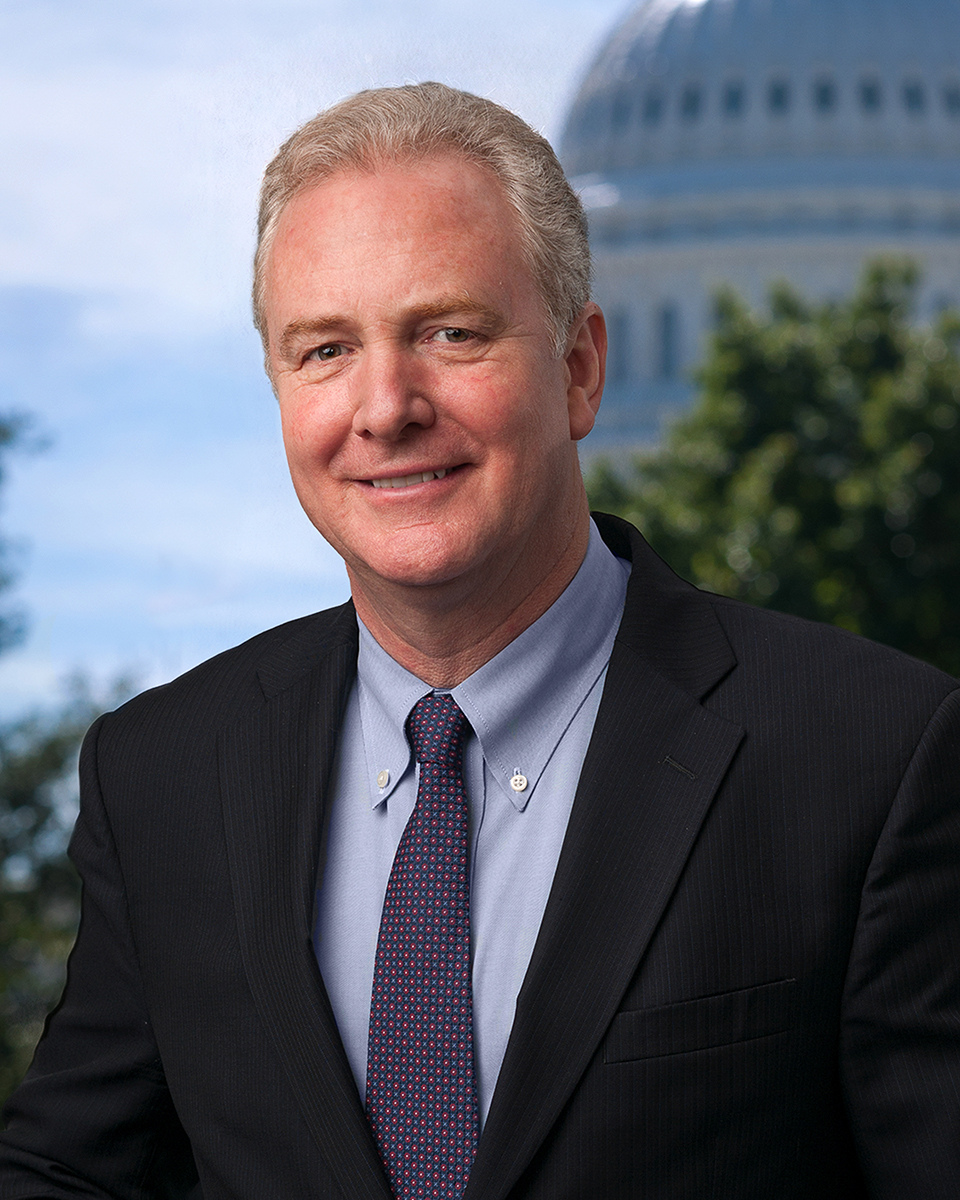
Senator Chris Van Hollen of Maryland, who travelled to El Salvador in 2025 to meet Abrego Garcia in custody, welcomed the outcome. Van Hollen said Abrego Garcia was leaving as a free man, unharmed and with dignity, according to NBC News and ABC News.
Background: a deportation the government called an “error”
Abrego Garcia, who was born in El Salvador in 1995, came to the United States as a teenager and lived in Maryland. In 2019 an immigration judge granted him protection that barred his removal to El Salvador because of threats from a gang there.
Despite that order, he was detained and deported to El Salvador in March 2025, where he was held in the Terrorism Confinement Center (CECOT). US immigration officials later admitted in court that the deportation resulted from an administrative error. The Supreme Court ruled that the government must facilitate his return, and he was brought back to the United States in June 2025.
On his return he was charged with human smuggling in Tennessee, over a 2022 traffic stop. He pleaded not guilty. CBS News reported that a federal judge in Tennessee later dismissed those charges, finding that the prosecution was vindictive.
Why Africa featured in the case
For African audiences, one of the most notable aspects of the case was the government’s repeated attempts to send Abrego Garcia to African countries. CBS News reported that officials sought to deport him to Uganda, Eswatini and Ghana, while the Justice Department said in March 2026 that it was ready to remove him to Liberia in West Africa.
Abrego Garcia had said for more than a year that, if he had to leave the United States, he wanted to go to a country of his own choosing. The administration resisted this, and the Maryland judge, Paula Xinis, kept orders in place that blocked his removal to Liberia.
The case fed into a wider debate over the use of so-called third-country deportations, in which people are sent to nations where they are not citizens. Several African governments have faced questions at home over agreements to accept deportees from the United States, and the issue remains sensitive for migrants from the continent, including Nigerians, who are watching US enforcement closely.
What happens next
Abrego Garcia is now in Spain with his legal status there not yet publicly detailed. His lawyers say he will decide on a longer-term home over the coming months. His immigration case in the United States has effectively ended with his departure, although his lawyers suggest he could seek to return under a future administration.
For the Trump administration, the case has been both a symbol of its hard line on immigration and a source of repeated court defeats. Its end comes as US authorities continue to expand removals, including of African nationals.
Sources: NPR, NBC News, ABC News, CBS News.