

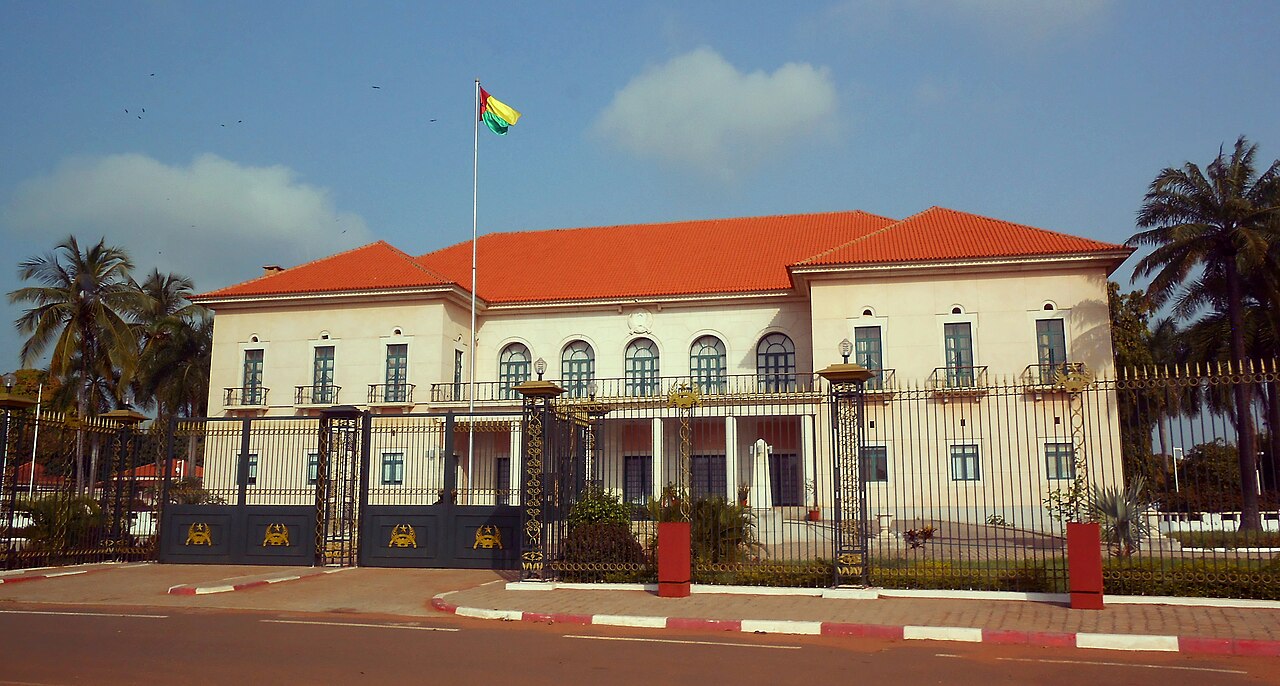
Guinea-Bissau’s military rulers have pushed back the elections that were meant to return the West African country to civilian rule by about two years. A decree signed on Thursday by the transitional president, General Horta Inta-a, moves the presidential and legislative polls from 6 December 2026 to November 2028, according to Al Jazeera and the Associated Press.
The announcement came on the first anniversary of the 26 November 2025 coup, in which soldiers seized power three days after a general election and removed President Umaro Sissoco Embaló before the results could be declared.
What the decree says
The decree states that the “technical, material and financial conditions” needed to organise the vote are insufficient, Al Jazeera reported. Ireland’s RTÉ and other outlets said the new date is 26 November 2028 – three years to the day after the military takeover. Regional reports add that municipal elections are planned for 2027, before the national polls.
In an address on national television on Thursday evening, General Inta-a (also referred to as N’Tam) described the transition so far as positive and said the delay was needed to make sure the electoral process was lawful, transparent, inclusive and credible, according to RTÉ.
The postponement had been expected. In October, the transitional prime minister, Ilídio Vieira Té, and the national election commission said the conditions for a 6 December vote had not been met, and the government suspended the date without naming a new one.
A transition that keeps stretching
When the soldiers took over last year, they promised a one-year transition. Inta-a, a former army chief of staff, was sworn in as transitional president on 27 November 2025, and a transitional charter published in early December barred him from standing in the next election, Al Jazeera reported.
Since then, the junta has tightened its hold. In August 2026, voters approved constitutional changes that give the president greater powers, and the authorities have barred Embaló from returning to the country. The 2025 vote itself was never completed: the electoral commission said at the time that armed men had seized ballots and tally sheets and destroyed the servers holding the results.
Some observers have suspected that Embaló, who appeared to be losing the election, had a hand in the coup, according to RTÉ. The country of about two million people has a long history of coups and attempted coups since winning independence from Portugal in 1974.
ECOWAS and the Nigerian connection
The Economic Community of West African States (ECOWAS) suspended Guinea-Bissau from its decision-making bodies after the coup and has repeatedly called for a quick and inclusive return to constitutional order. By Thursday evening, neither ECOWAS, the African Union nor the main opposition parties had publicly responded to the new timetable, according to regional reports.
The crisis has a direct Nigerian link. Former President Goodluck Jonathan was in Bissau as an election observer when the coup took place last year and was among foreign dignitaries briefly stranded in the country, prompting the House of Representatives to call for his safe return. Nigeria, as the largest member of ECOWAS, has been part of the regional push for a return to civilian rule in Guinea-Bissau and in other countries in the region run by soldiers.
The delay adds to a worrying trend in West Africa, where military governments in Mali, Burkina Faso and Niger have also extended their time in power and left ECOWAS. Guinea-Bissau, however, remains a member of the bloc, which gives ECOWAS more leverage – but also raises questions about how it will respond.
What happens next
Attention now turns to ECOWAS and the African Union, which could reject the new timetable, press for a shorter transition or consider further measures. Opposition parties, including the PAIGC that led the independence struggle, are also likely to react in the coming days. For now, Guinea-Bissau faces two more years under military-led government, with municipal elections in 2027 serving as the first test of the junta’s promises.
Sources: Al Jazeera, Associated Press, RTÉ, Reuters, Benin Web TV.