

Parts of Nigeria are among the five places on earth where hunger is expected to be most severe over the next six months, according to a new early-warning report from two United Nations agencies. The Food and Agriculture Organization (FAO) and the World Food Programme (WFP) said on Friday that the number of global “hunger hotspots” has risen from 13 to 16, driven by armed conflict and a strengthening El Niño weather pattern.
The Hunger Hotspots outlook, which covers December 2026 to May 2027, also warns that money for food aid in the worst-affected places has collapsed, falling by nearly two-thirds in three years.
Nigeria in the highest-concern group
The report places “parts of Nigeria” in its top category of highest concern, alongside Sudan, South Sudan, Somalia and Yemen. Al Jazeera, reporting on the findings, described the affected area as northern Nigeria. According to the FAO, conflict is a primary driver of hunger in these places.
The agencies said that in four of the five highest-concern hotspots, some people already face, or are projected to face, Catastrophe, the most severe level on the international food insecurity scale. The report did not give a detailed breakdown for Nigeria in the public summary.
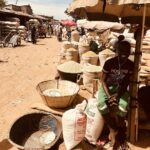
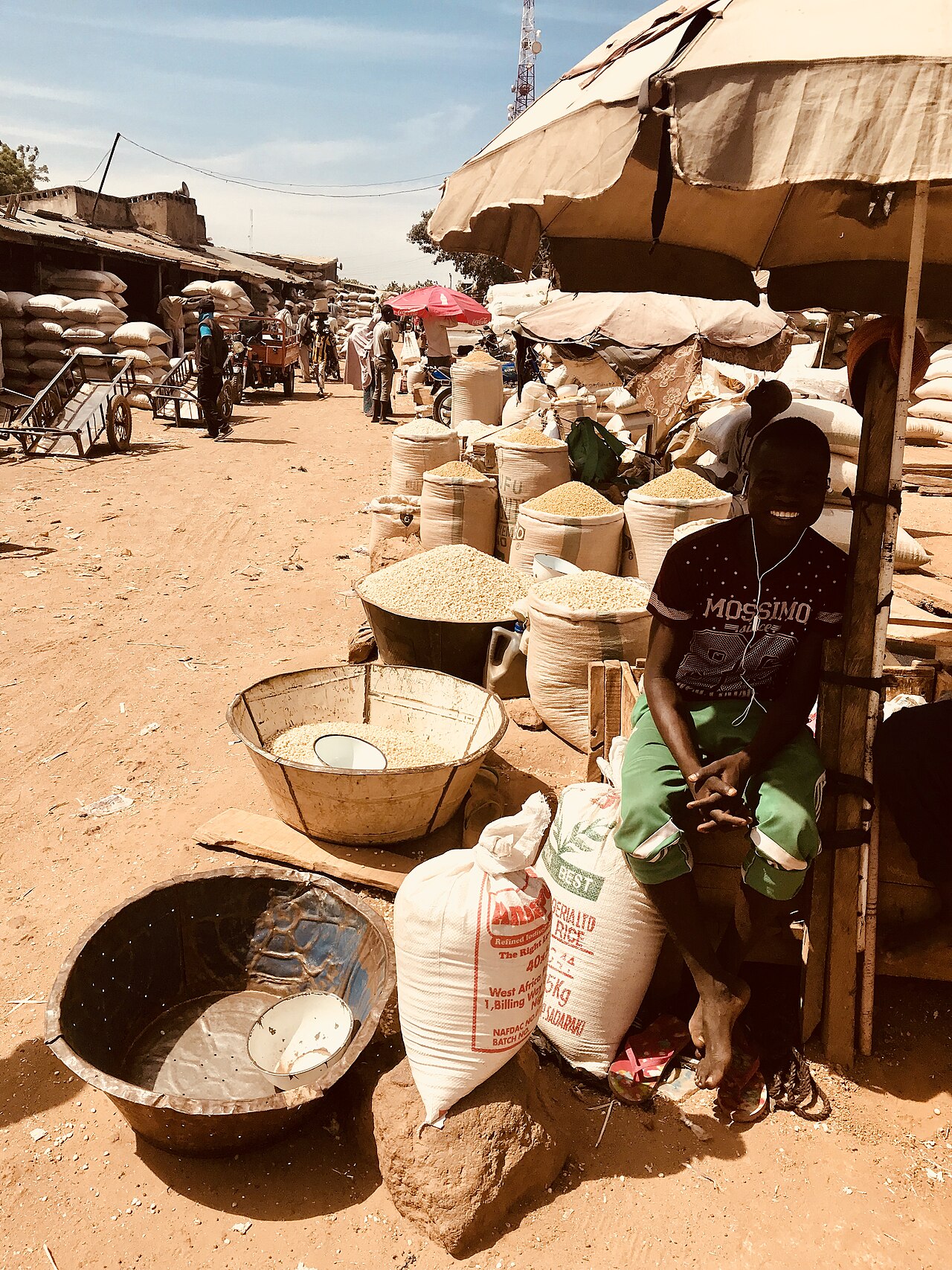
The finding comes as insecurity continues across the North-East, North-West and parts of the North-Central, where attacks by armed groups, kidnappings and displacement have kept many farmers away from their fields. Food inflation has eased in recent months, but prices remain high for many households.
El Niño adds four new hotspots
The FAO described the current El Niño as strengthening and possibly one of the most intense on record. It is a major driver of three of the four new hotspots: Southern Africa (including Eswatini, Malawi, Mozambique, Zambia and Zimbabwe), the Central American Dry Corridor, and northeastern Uganda. Chad was the fourth new addition, while Lebanon was removed from the list.
In Southern Africa, up to 3 million people in Zimbabwe, 2.6 million in Malawi and 1.8 million in Mozambique are projected to face high levels of acute food insecurity through March 2027, as hotter and drier conditions threaten planting and harvests. FAO Director-General Qu Dongyu warned that El Niño is “threatening crops and harvests in already vulnerable regions.”
Afghanistan, the Democratic Republic of Congo, Haiti and Palestine are classed as hotspots of very high concern. Chad, Madagascar, Mali and Myanmar are among the other hotspots. Overall, conflict and violence drive hunger in 12 of the 16, Al Jazeera reported.
Famine risk in Sudan
Sudan remains the gravest case. Under a reasonable worst-case scenario, 13 areas of North Darfur and South Kordofan face a risk of famine through January 2027, and two camps for displaced people in South Darfur have already crossed famine thresholds for malnutrition, the FAO said. Parts of South Sudan also face famine risk, while in Somalia the risk has receded although emergency conditions persist among displaced people.
In Gaza, food security has improved slightly since the October 2025 ceasefire but remains fragile, while conditions in the West Bank are expected to worsen.
Aid money falling sharply
The agencies said humanitarian funding for food security and nutrition in the five highest-concern hotspots fell by 62%, from $5.1 billion in 2022 to $2.0 billion in 2025. All five, including Nigeria, have appeared repeatedly on the list since 2022. The report said shrinking resources have reduced the ability to sustain gains and stop conditions from getting worse.
WFP Executive Director Luke J. Lindberg said the report “tells us where famine could strike next.”
What happens next
FAO and WFP are calling for urgent humanitarian action in all 16 hotspots, with priority for areas at risk of famine, and for safe, unimpeded access for aid workers. They also want governments and donors to act before El Niño’s worst effects arrive, by protecting harvests, livestock and incomes. A joint anticipatory action plan aims to reach 9 million people in 22 countries.
For Nigeria, the report adds pressure on federal and state authorities to secure farming communities ahead of the next planting season and to support millions of displaced people, many of whom depend on food assistance.
Sources: FAO, WFP, Al Jazeera, Reuters.