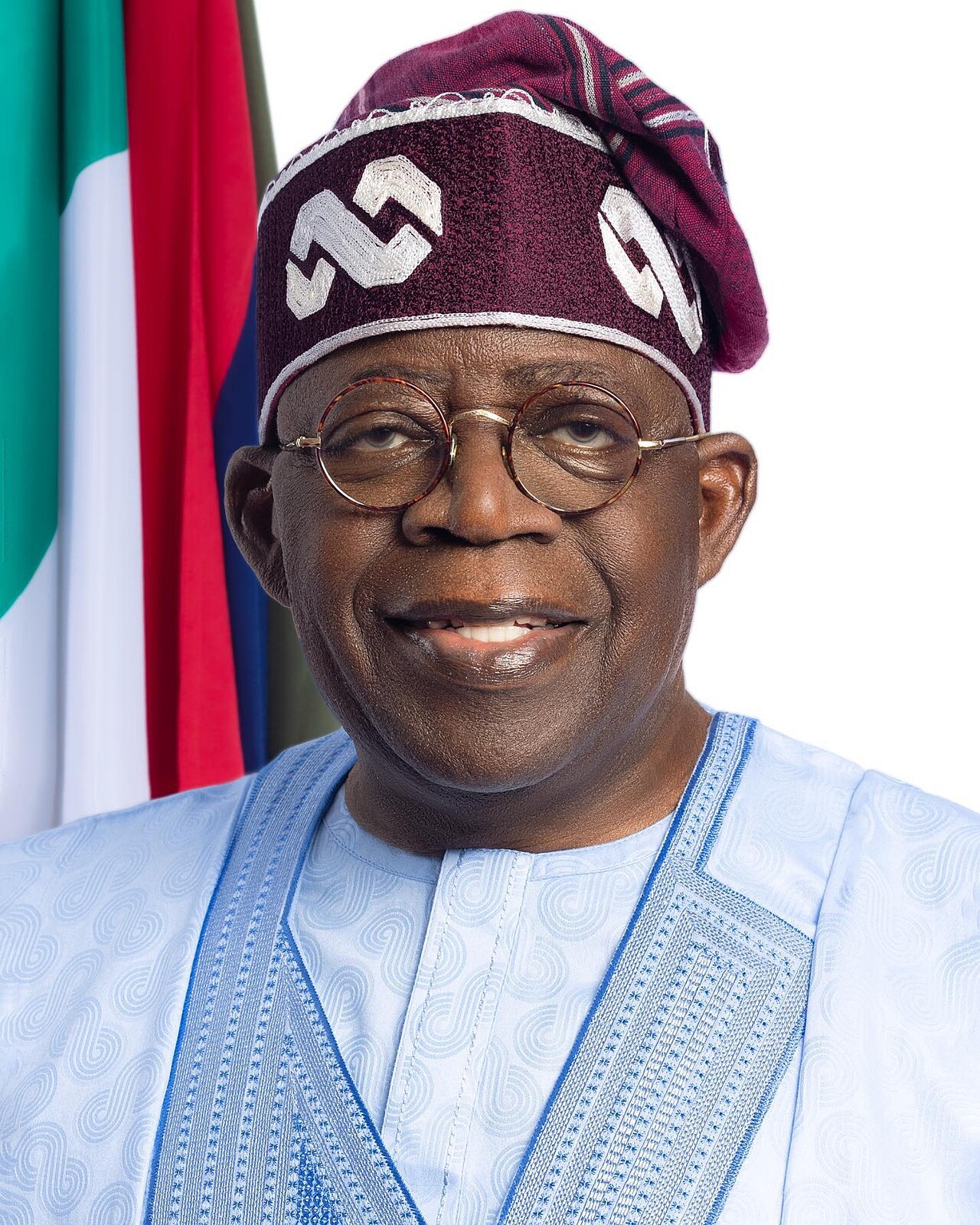


The All Progressives Congress (APC) has set out what President Bola Tinubu intends to do with a second term, presenting a 109-page manifesto in Abuja on Tuesday that promises faster growth, more electricity, tens of thousands of new security personnel and a public scorecard for tracking delivery. The document arrives roughly two months before the January 2027 presidential election and gives voters a set of measurable targets against which to judge the ruling party.
The presentation took place at the Shehu Musa Yar’Adua Centre, according to reports by The Nation and Premium Times. President Tinubu did not attend; senior ministers and campaign officials, led by the Chief of Staff to the President, Femi Gbajabiamila, presented the plan on his behalf.
Four pillars replace the eight-point agenda
The Minister of Industry, Trade and Investment, Dr Jumoke Oduwole, who serves as deputy director of the manifesto and policy directorate of the APC Presidential Campaign Council, said the document folds the administration’s eight-point Renewed Hope Agenda into four pillars: a secure and resilient nation; a better and more affordable quality of life; energy, infrastructure and economic growth; and effective, accountable governance.
According to P.M. News, Oduwole said the plan was drawn up over about six weeks of consultations with cabinet members, the National Assembly, state governments, development partners and civil society groups. Punch, which obtained a copy of the document, reported that it contains at least 35 specific promises. Several outlets reported the manifesto’s title as a version of the “Renewed Hope Agenda 2.0” or “From Reform to Prosperity” agenda.
Security: new divisions, soldiers and police
Security is placed first. According to Vanguard and Punch, the party promises to recruit 28,000 additional military personnel and deploy 50,000 newly recruited police officers, and to complete and equip four new Army divisions in Makurdi, Ilorin, Jalingo and Benin City. The plan also pledges intelligence-led operations against insurgents and kidnapping networks, body cameras and digital policing, and the deployment of forest guards, agro-rangers and mining marshals to protect farmland, forest reserves and mineral sites.
The commitment comes as insecurity remains one of the most pressing issues of the campaign, with attacks by bandits and insurgents continuing in parts of the North-West, North-Central and North-East.
Economy, power and cost of living
On the economy, the manifesto targets annual growth of 6 per cent by 2031 and repeats the administration’s ambition of a $1 trillion economy by 2030. P.M. News reported plans for one million export-linked jobs, non-oil export earnings of at least $15 billion a year, manufacturing at 12 per cent of GDP and at least one industrial cluster in each of the six geopolitical zones. The party also pledges to halve youth unemployment.
For electricity, the plan aims to scale generation towards 10,000 megawatts, strengthen transmission and distribution, and install seven million additional meters, Gbajabiamila said. On living costs, it promises to halve post-harvest losses, ease the movement of food between states and publish a monthly food price tracker.
Social pledges include halving the number of out-of-school children, recruiting 20,000 more teachers, extending health insurance from about 23 million enrollees to 40 per cent of Nigerians, getting at least 90 per cent of primary health centres functioning, and working towards 200,000 homes under a Tinubu Mass Social Housing Scheme.
Officials concede hardship from reforms
Speakers defended the removal of the petrol subsidy and the unification of the foreign exchange market while acknowledging their cost to households. Gbajabiamila told the audience that nobody should pretend life is easy at the moment, Vanguard reported, and urged Nigerians to compare the party’s past and present manifestoes and judge it on promises kept.
The Minister of Budget and Economic Planning, Atiku Bagudu, said the economy had grown since 2023 but that more work was needed before ordinary Nigerians felt the benefits. The campaign spokesman and Minister of Solid Minerals Development, Dele Alake, argued that no Nigerian leader since independence had attempted reforms of comparable scale. Information Minister Mohammed Idris cited the student loan scheme and Nigeria’s removal from the Financial Action Task Force grey list as evidence of progress.
Accountability promises and what comes next
Under the governance pillar, the party says it will publish a baseline, target, responsible official and reporting date for its headline commitments, show progress on a public delivery tracker, and publish allocations to all 774 local government councils. Reports of Tuesday’s presentation did not include an overall cost for the programme.
The manifesto now becomes a reference point in a crowded campaign. Opposition candidates, including the Nigeria Democratic Congress candidate Peter Obi, who set out his own priorities at a town hall in Jos on the same day, have accused the government of worsening living conditions. Over the coming weeks, voters can expect rival parties to test the APC’s figures against the administration’s record ahead of the January poll.
Sources: Vanguard, Punch, P.M. News, Premium Times, The Nation, Arise News.