

Two people isolated in Adamawa State on suspicion of Ebola have tested negative for the virus, easing fears that the outbreak spreading across East and Central Africa had found a second foothold in Nigeria.
The patients, a 34-year-old pilot and his wife, a medical doctor, were admitted to the isolation centre at Modibbo Adama University Teaching Hospital (MAUTH) in Yola on October 29. Their samples, collected the next day, were sent to the National Reference Laboratory in Abuja and came back negative after two rounds of testing, according to Premium Times, which reported details from an internal memo signed by Adamawa State Epidemiologist Jones Kadabiyu. The newspaper withheld the couple’s names.
Why they were flagged
The pilot travelled to Kenya on October 14 for personal reasons and returned on October 25. Kenya is one of the countries that has recorded imported cases in the current outbreak.
He had a fever on October 13, before the trip, and was treated for malaria. His wife fell ill around October 25, reportedly after caring for him at home. Between them, the couple reported fever, vomiting, nausea, tiredness, headache and cough, as well as bleeding gums and nosebleeds, a combination that triggered the Ebola alert.
Contacts traced
State health officials traced and listed 17 to 18 people who had been in contact with the couple and informed partners including the World Health Organization and UNICEF.
The Nigeria Centre for Disease Control and Prevention (NCDC) had announced the two suspected cases on Saturday, October 31, without naming the state. In a statement, Director-General Jide Idris said there is no laboratory-confirmed Ebola case in Adamawa. He urged Nigerians to stay calm and avoid unverified claims, and to seek medical care quickly if they develop fever, weakness or unexplained bleeding, especially after possible exposure.
Nigeria’s only confirmed case so far
The country’s single confirmed case this year remains a woman who travelled from Uganda to Abuja and tested positive on October 20. She was later flown to Switzerland for treatment, and the NCDC said 62 people linked to her were placed under monitoring.
Health Minister Muhammad Pate has said genetic analysis links the Abuja case closely to Kenya’s first imported case, although that alone does not prove where she was infected.
The wider outbreak
The outbreak is caused by the Bundibugyo species of the virus and began in the Democratic Republic of Congo in May. By October 28, the WHO had recorded 10,274 confirmed cases and 4,992 deaths in Congo, making it one of the deadliest Ebola epidemics on record. Kenya had reported nine confirmed cases and two deaths.
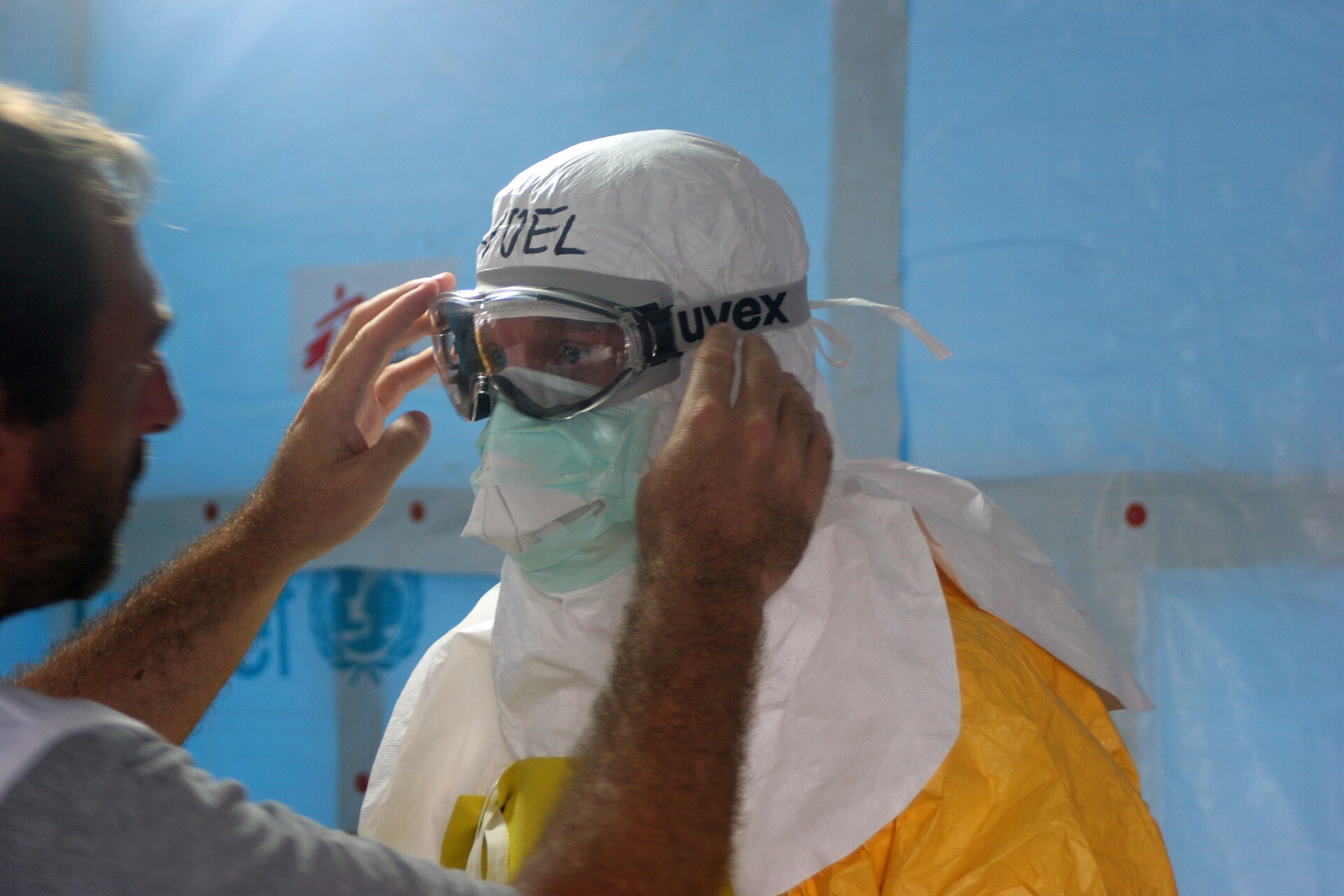
Unlike the more familiar Zaire strain, Bundibugyo has no licensed vaccine, which makes early detection, isolation and contact tracing the main lines of defence.
What you should know
- Ebola spreads through direct contact with the blood or body fluids of a sick person, not through the air.
- Early symptoms such as fever, headache and tiredness look like malaria, so travel history matters.
- Anyone who has travelled to an affected country and feels unwell should call the NCDC toll-free line (6232) or their state health ministry before visiting a hospital.
The Adamawa result is a relief, but officials say it also shows the surveillance system working: suspected cases are being found, isolated and tested quickly.
Sources: Premium Times, NCDC, WHO.