

The race to succeed Governor Babajide Sanwo-Olu in Lagos moved from rallies to the debate stage on Sunday, as the leading candidates clashed over the cost of housing, the state’s transport network, flooding and the mounting refuse problem in Africa’s largest city.
Deputy Governor Obafemi Hamzat of the All Progressives Congress (APC), Gbadebo Rhodes-Vivour of the African Democratic Congress (ADC), Funso Doherty of the Nigeria Democratic Congress (NDC) and Deji Doherty of the Peoples Democratic Party (PDP) took part, according to detailed reports by Premium Times. Vanguard and BusinessDay also reported on the encounter, with BusinessDay highlighting opposition criticism of housing, rent and taxes.
Rent and housing: caps versus enforcement
Housing costs, a top concern for many Lagos residents, produced some of the clearest differences. Rhodes-Vivour, who came second in the 2023 governorship election on the Labour Party ticket, proposed a law requiring landlords to give six months’ notice and setting a guideline cap of 20 to 30 per cent on rent increases. He also wants estate agents’ fees policed and suggested the state could fund the completion of abandoned private buildings in return for temporary ownership, then let them out as affordable homes.
Hamzat said rules on estate agents already exist and should be enforced rather than replaced. He promised to complete ongoing government housing schemes and to push developers to include cheaper units in their projects.
Funso Doherty called for direct housing provision by the state, pointing to the Jakande-era programme as a model, and proposed a housing ombudsman. Deji Doherty suggested the government lease properties and sub-let them at affordable rates, alongside longer leases for tenants.
Transport: rail finance and more buses
On transport, Rhodes-Vivour proposed expanding rail using private infrastructure finance, saying lines could be built in about two and a half years and repaid over 30 years. He also listed ferries, cable cars, bike lanes and a bridge linking the eastern foreshore to the Ibeju-Lekki axis.
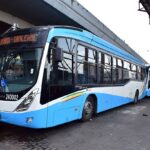
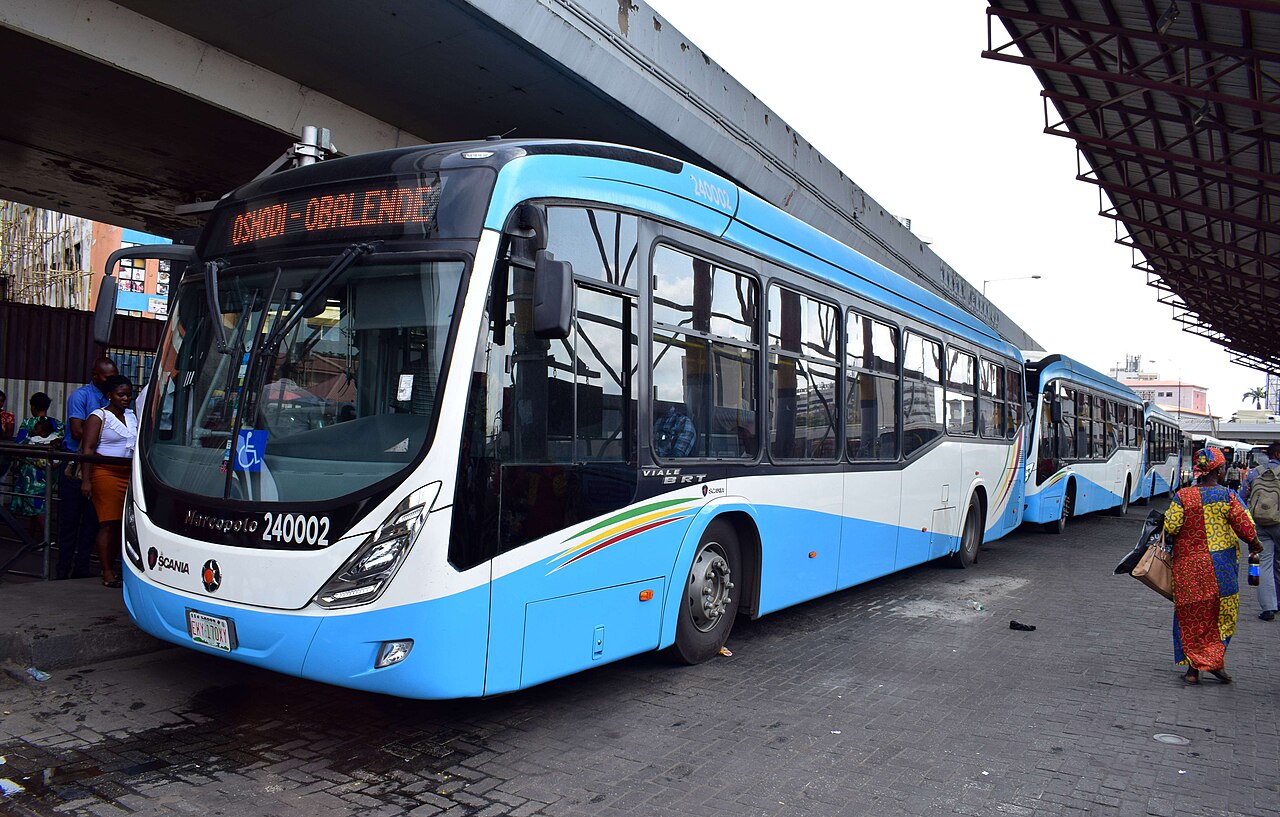
Hamzat said the state must build on the BRT system, increasing the bus fleet from about 1,000 to 4,000 vehicles, mostly running on compressed natural gas, with a single payment system across buses, trains and ferries. He also proposed electric ferries on routes linking Oworonshoki, Ikorodu, Epe and Badagry, and questioned whether private finance alone could deliver a state rail network.
Funso Doherty wants modern buses to replace the current transport union system, with training schemes for workers affected. Deji Doherty pointed to heavy trucks, union activity, poor roads and delays to the Fourth Mainland Bridge, and called for more bridges.
Flooding and waste management
Hamzat blamed flooding on Lagos’s low-lying geography, density and heavy rainfall, and defended the removal of buildings blocking drainage channels. Rhodes-Vivour argued for a longer-term plan, including turning some wetlands into parks or solar farms and improving forecasting. Funso Doherty linked the floods to the destruction of wetlands and questioned the environmental assessment for the Lagos-Calabar Coastal Highway.
Waste collection, the subject of a state of emergency declared by Sanwo-Olu in September, also drew sharp exchanges. Rhodes-Vivour described the current system as “pick and dump” and called for local governments to take a bigger role, with household sorting and recycling. Hamzat said the state is moving from landfills towards recovery, citing transfer stations and a materials recovery facility, though he admitted there are still gaps in trucks and transfer stations. Funso Doherty said refuse is piling up faster than it is collected.
According to Premium Times, an independent fact-checking team attached to the debate challenged some claims made on stage, including one on Lagos’s internally generated revenue that it rated false.
Background to the race
Lagos has been governed by the APC and its predecessor parties since 1999. In 2023, INEC declared Sanwo-Olu the winner with 762,134 votes, while Rhodes-Vivour polled 312,329. Sanwo-Olu is completing his second and final term, making the 2027 contest an open race.
Hamzat is backed by the ruling party’s structure in the state, while the opposition is hoping that frustration over rents, transport costs and refuse can help it break the APC’s hold on the state.
What happens next
The candidates are expected to step up campaigns across the state’s 20 local government areas in the coming weeks, and further debates and town halls are likely before the governorship election. Lagos police have asked parties to notify the command before holding rallies.
Sources: Premium Times, Vanguard, BusinessDay, News Central TV.