

South Africa’s Electoral Commission (IEC) has officially declared the results of the 4 November 2026 local government elections, confirming the African National Congress (ANC) as the largest party but with its weakest municipal showing since the end of apartheid, and leaving a large number of councils without a single party in control.
IEC Chairperson Mosotho Moepya announced the final results on Sunday evening, 8 November, at the national Results Operation Centre in Midrand, Gauteng, and declared the polls free and fair, according to the government news agency SAnews. Reuters, The Citizen and the Mail & Guardian also reported the official figures.
The Final Numbers
According to the IEC figures reported by SAnews and Reuters, the ANC won 30.76% of the vote and 3,246 council seats, a steep fall from 45.59% in the 2021 local elections. The Democratic Alliance (DA) finished second with 24.64% and 1,695 seats, up from 21.62% five years ago.
Former President Jacob Zuma’s uMkhonto weSizwe (MK) Party, contesting municipal elections for the first time, took 9.76% and 785 seats. The Economic Freedom Fighters (EFF) slipped to 6.22% from 10.32% in 2021, while ActionSA won 5.67%. Smaller parties and independents together took close to a quarter of the vote.
About 14.9 million of the 29.2 million registered voters cast ballots. The IEC put turnout at around 52%, up from 45.9% in 2021, with spoilt ballots at under 2%. More than 500 parties and over 600 independent candidates took part.
A Fragmented Map and Hung Councils
The IEC said the ANC remains the leading party in the largest number of municipalities, but outright majorities were secured in only a minority of the 213 councils declared. SAnews reported that the ANC won outright control of 53 councils and the DA 12, with the Inkatha Freedom Party (IFP) and MK also winning a handful outright. Well over half of all councils are hung.
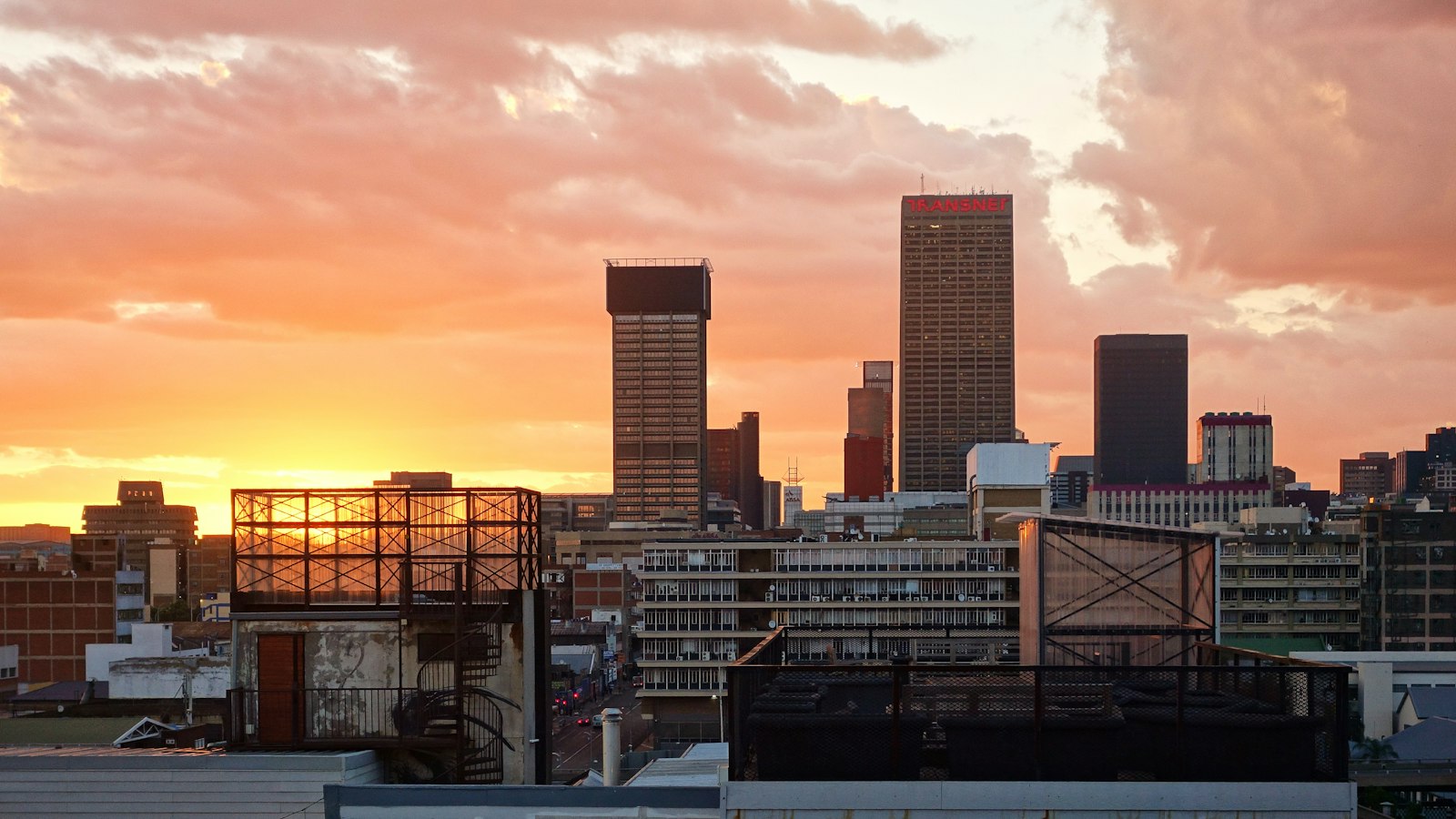
Provisional counts reported earlier in the week showed the DA ahead in five of the eight big metropolitan municipalities, including Johannesburg and Tshwane, with MK leading in eThekwini (Durban), where coalitions will decide who becomes mayor.
Moepya urged newly elected councillors to take their duty seriously, telling them that “the ballot paper has given you a mandate and a responsibility.” He cited a Human Sciences Research Council survey in which about nine in ten voters said the process was free and fair. The commission separately ordered a rerun at one voting station in Douglas, Northern Cape, after an incident there, according to local media.
Ramaphosa Warns Parties Over Coalitions
President Cyril Ramaphosa, who attended the results ceremony, called on parties to form stable councils and to put service delivery ahead of political interests, according to The Citizen and other South African outlets. He acknowledged that citizens expect their lives to improve, a nod to frustration over water outages, power cuts, potholes and poor waste collection in many municipalities.
The result deepens a trend that began in 2021 and continued in the 2024 national election, when the ANC lost its parliamentary majority for the first time and formed a Government of National Unity with the DA and others. Unstable coalitions in cities such as Johannesburg have seen frequent changes of mayor in recent years, which many residents blame for declining services.
What Happens Next
Under South African law, newly elected councils must hold their first sitting within 14 days of the IEC’s declaration, which puts the deadline at around 22 November. At those meetings, councillors elect a speaker and then an executive mayor. In hung councils, the mayor will be whoever can assemble a majority, so the coming days are expected to be dominated by negotiations between the ANC, DA, MK, EFF, ActionSA, the IFP and smaller parties.
For Nigerians and other Africans living in South Africa, the make-up of metro governments in Johannesburg, Tshwane and Durban matters, as local authorities oversee policing by-laws, trading permits and responses to anti-migrant tensions that have flared this year.
Sources: SAnews, Reuters, The Citizen, Mail & Guardian, Daily Maverick.