

At least 34 people have died after a wooden boat carrying migrants sank off the coast of northern Senegal at the weekend, in the latest disaster on the dangerous Atlantic route to Spain’s Canary Islands. Only one survivor has been reported, and officials say the toll could still rise as bodies continue to wash ashore.
The vessel went down near the Lompoul dunes in Kébémer department, Louga region, a stretch of coast between the capital Dakar and the northern city of Saint-Louis. Senegal’s Interior Ministry initially put the number of dead at 21 on Saturday evening before the Senegalese Press Agency (APS) raised it to 34 on Sunday, according to Al Jazeera and other outlets. Some later reports, citing local sources, have put the figure as high as 39.
What happened off Lompoul
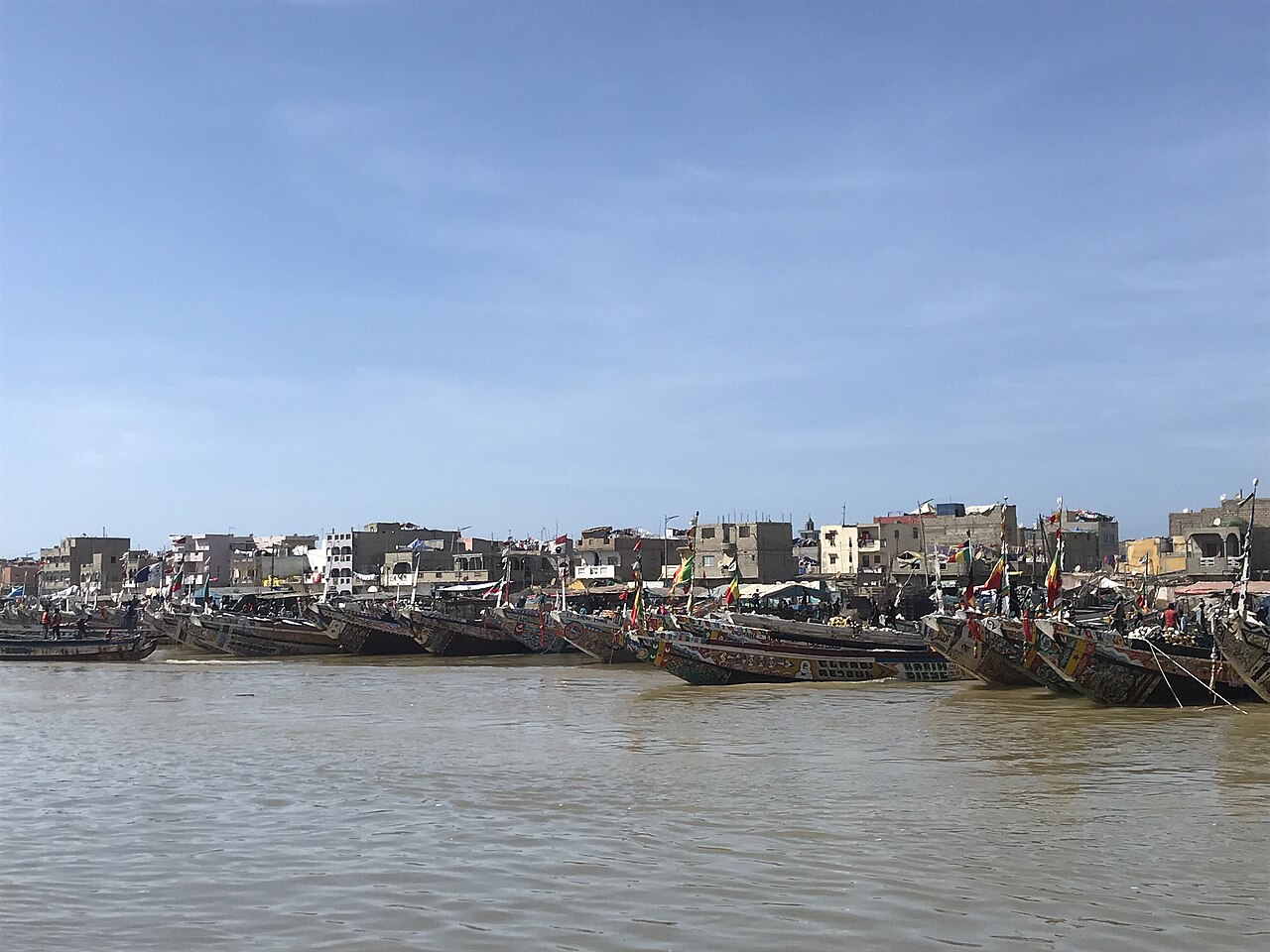
According to reports, the boat — a traditional pirogue of the kind used for both fishing and migrant crossings — capsized on Saturday, 7 November. Bodies were found along the shoreline over the following hours, and one person was rescued alive, the Interior Ministry said in a statement on Sunday.
Authorities have not said how many people were on board, where exactly the boat set off from or what caused it to sink. Some reports suggest it left from the Saint-Louis area, but officials have not confirmed this. The army and fire service were deployed to recover remains, while the governor of Louga region travelled to the scene on Sunday to oversee identification of the victims.
Interior Minister Mouhamadou Makhtar Cissé expressed “profound shock and sadness” over the tragedy, according to Spanish news agencies, and later visited Lompoul to meet grieving families.
President Faye vows action against smugglers
President Bassirou Diomaye Faye offered condolences to the families and pledged to keep up the fight against the networks that organise the crossings. The government said it would step up efforts against trafficking gangs and deepen cooperation with neighbouring countries.
The disaster has also stirred domestic politics. Opposition figures have urged the state to support bereaved families and criticised the government over youth unemployment, which many see as the main reason young Senegalese risk the journey.
A deadly and busy route
The Atlantic route from the West African coast to the Canary Islands is one of the deadliest migration paths in the world. The Spanish migrant rights group Walking Borders (Caminando Fronteras) said 635 people died trying to reach the Canaries in the first five months of 2026 alone, Al Jazeera reported.
Departures appear to be rising again. Authorities on El Hierro, the smallest of the Canary Islands, declared an emergency on Saturday after more than 3,300 people arrived on around 30 boats since the start of November, according to reports. Many of the boats set off from Senegal, Mauritania and The Gambia, carrying people from across West Africa.
Senegal has suffered a series of similar tragedies in recent years. In September 2024, dozens died when a boat carrying more than 100 people sank off the coastal town of Mbour, according to the BBC.
Why young West Africans keep taking the risk
Analysts point to a mix of factors: high youth unemployment, falling catches for artisanal fishermen, rising living costs and the pull of relatives already in Europe. Smugglers typically charge hundreds of thousands of CFA francs per seat on overcrowded pirogues that are poorly equipped for a journey of 1,000 kilometres or more across open ocean.
For Nigerians and other West Africans weighing irregular routes to Europe, the Lompoul sinking is another reminder of the dangers involved. Rights groups continue to call for safer, legal migration pathways alongside tougher action against smugglers.
What happens next
Senegalese authorities are continuing to identify the dead and search the coastline for more bodies. Investigators are expected to try to establish where the boat departed from and who organised the trip. With the winter crossing season under way and arrivals in the Canaries climbing, aid groups warn that more tragedies are likely unless departures are curbed.
Sources: Al Jazeera, Senegalese Press Agency (APS), Agencias via Demócrata, OkayAfrica, BBC.