

South African police have arrested nine foreign nationals suspected of trying to leave the country to fight in the Russia-Ukraine war, the latest sign of growing concern across Africa about young men being lured into the conflict.
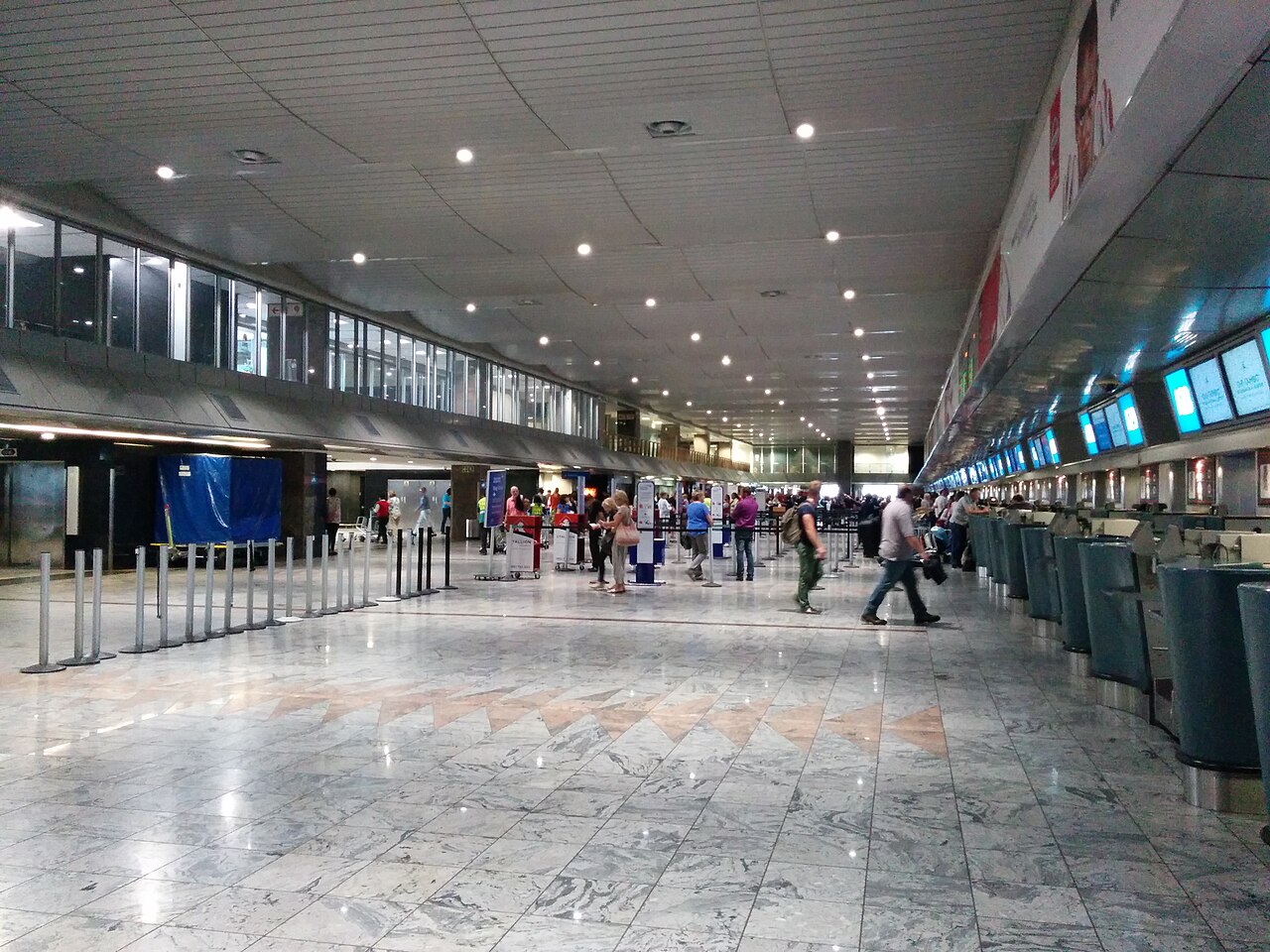
The men, aged between 20 and 26, were picked up late on Sunday, 8 November, at OR Tambo International Airport and at a hotel in Bruma, east of Johannesburg, as they prepared to board flights out of the country, police said. They are expected to face charges under South Africa’s law banning mercenary activity.
How the arrests happened
Police spokesperson Colonel Katlego Mogale said the arrests followed intelligence gathered during an investigation involving Interpol, the Hawks (the Directorate for Priority Crime Investigation), crime intelligence and other local and international law enforcement agencies, according to TimesLIVE and GBC Ghana.
The Associated Press, whose report was carried by The Washington Post, said the men were suspected of travelling to Russia to fight in Ukraine. Police have not disclosed the suspects’ nationalities, and officials declined to say publicly which side of the war they intended to join. GBC reported that none of the nine lived in South Africa.
The suspects are expected to appear at the Kempton Park Magistrate’s Court under the Regulation of Foreign Military Assistance Act of 1998, which prohibits South Africans and foreigners in the country from taking part in or helping recruit for foreign armed conflicts without permission. No recruiter or facilitator has been reported arrested so far.
Earlier cases in South Africa
The arrests follow a string of high-profile cases. In late 2025, police arrested SAfm radio presenter Nonkululeko Mantula and four others over alleged recruitment of South African men for Russia’s military, according to several South African outlets.
Police also examined allegations that Duduzile Zuma-Sambudla, daughter of former President Jacob Zuma, helped lure 17 South African men to Russia under the guise of security training. She denied wrongdoing and resigned from Parliament, and has not been charged, GBC and OkayAfrica reported. The government later worked to bring some of those men home.
A wider African problem
Across the continent, governments have raised alarm over recruitment drives that use fake job adverts on social media. A Code for Africa investigation, cited by the Institute for Security Studies, identified 289 websites, domains and social media profiles used to lure recruits with false offers, according to reports.
Several countries have reported casualties. Zimbabwe said in March that 15 citizens had been killed and that it was seeking the return of 66 others. Kenya said more than 1,000 of its citizens had been recruited, prompting protests by families in Nairobi. Ghana has reported dozens of deaths among citizens lured to the war, and Reuters reported last month that 27 Ugandans recruited to fight for Russia were dead or presumed dead.
Following a Russia-Africa summit in Moscow in October, Ghana and Kenya said they had secured Russian commitments to stop enlisting their citizens. Russia has denied illegally recruiting Africans. Ukraine has also been reported to recruit foreign fighters, including some Africans.
For Nigerians and other Africans job-hunting abroad, authorities and rights groups repeatedly warn against unverified overseas offers for “security”, “driving” or “factory” work in Russia and neighbouring countries, some of which have turned out to be routes into the military.
What happens next
Prosecutors are finalising charge sheets ahead of the suspects’ first court appearance. Investigators are expected to try to establish who organised and paid for the men’s travel, and whether a wider network is operating through South Africa. Their home countries may also be notified, as police said the men may have broken laws there too.
Sources: TimesLIVE, GBC Ghana, Associated Press (via The Washington Post), OkayAfrica, Reuters.