

Nigeria’s handling of insecurity was back under the spotlight in Washington on Thursday, as a United States House of Representatives subcommittee held a fresh hearing on attacks against Christian communities, particularly in the country’s Middle Belt. The session came just over a year after President Donald Trump redesignated Nigeria a “Country of Particular Concern” (CPC) over alleged severe violations of religious freedom.
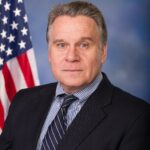
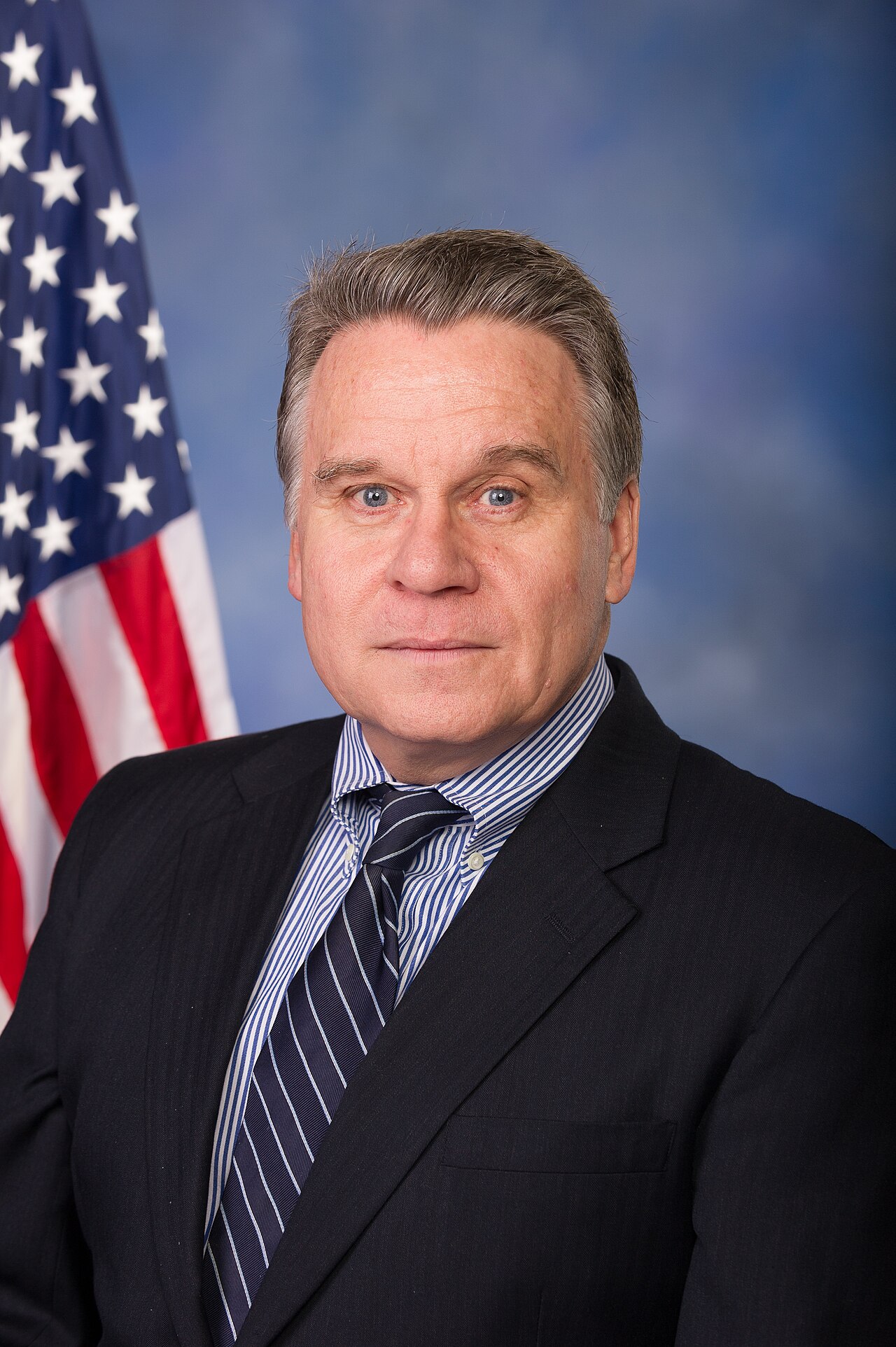
The hearing, titled “One Year Later: Assessing Nigeria’s Efforts to Protect Christians and Secure the Middle Belt”, was convened by the House Foreign Affairs Subcommittee on Africa and chaired by Republican Congressman Chris Smith of New Jersey. According to Smith’s office, it was the fourteenth hearing he has chaired on the persecution of Christians in Nigeria.
Who Appeared Before the Panel
According to the House Foreign Affairs Committee’s official hearing notice, the session featured two panels. The first was made up of two senior State Department officials: Frank Garcia, Assistant Secretary of State for African Affairs, and Riley Barnes, Assistant Secretary for Democracy, Human Rights and Labor.
The second panel brought in outside experts: Nina Shea, director of the Hudson Institute’s Center for Religious Freedom; Ryan Brown, chief executive of Open Doors US; and Oge Onubogu, director of the Africa Programme at the Center for Strategic and International Studies (CSIS) in Washington. Nigerian outlets including TheCable and Legit.ng noted ahead of the session that no Nigerian government official was listed among the witnesses.
Smith: “The Violence Has Not Ended”
In his opening statement, published by his office on Thursday, Smith argued that the situation in Nigeria had become more troubling since the subcommittee’s last hearing on the subject in November 2025. He said Christian communities were still facing killings, abductions, attacks on churches and the destruction of homes and farmland.
Smith said the purpose of the session was to examine what he described as the Nigerian government’s continued failure to protect vulnerable communities and punish those responsible, to review how the US has engaged with Abuja since the CPC redesignation, and to decide what further measures might be needed. He framed the pressure on Nigeria as advice to an ally, remarking that “friends don’t let friends commit human rights abuses.”
The congressman cited written testimony from Nina Shea, which relied on Open Doors figures to describe Nigeria as the deadliest country in the world for Christians killed for their faith. Shea’s testimony, as quoted by Smith, pointed to armed Fulani militias in Benue, Plateau, Kaduna and Taraba states as the greatest threat to Christian farming communities, and said more than a million survivors of such attacks have been displaced.
Smith also acknowledged diplomatic engagement by the State Department over the past year, including high-level visits to Nigeria by senior officials and meetings of a US-Nigeria Joint Working Group, but said Congress wanted to see those talks turn into visible action on the ground.
The Bill on the Table
A key focus for Smith is the Nigeria Religious Freedom and Accountability Act of 2026 (HR 7457). According to his statement, the bill grew out of a report the House Foreign Affairs Committee was asked by the White House to prepare, in coordination with the Appropriations Committee, on how to build on the CPC designation.
Smith and other lawmakers have for years pushed for tougher diplomatic pressure, tying US assistance to measurable progress, targeted sanctions on perpetrators of violence and direct humanitarian help for displaced communities. The bill has not yet been passed into law.
Background: CPC Status and Nigeria’s Response
President Trump redesignated Nigeria a CPC on October 31, 2025, accusing the authorities of failing to stop the killing of Christians. The US House Africa subcommittee held a hearing on that decision on November 20, 2025, at which witnesses and lawmakers were divided over whether the violence should be described mainly as religious persecution or as a wider breakdown of security and governance.
Abuja has consistently rejected claims of a state-backed genocide, insisting that bandits, terrorists and armed militias have killed both Christians and Muslims across the north and Middle Belt. Since the redesignation, the two governments have deepened security cooperation, including a military partnership targeting terrorists in northern Nigeria, according to TheCable.
The hearing also comes as pressure mounts at home over insecurity. The UN refugee agency, UNHCR, has said that nearly 64,000 Nigerians crossed into neighbouring Niger this year to escape attacks by armed groups, Chronicle.ng reported.
What Happens Next
Congressional hearings do not by themselves change US policy, but they shape the record lawmakers rely on when drafting legislation and appropriations. Testimony from Thursday’s session is expected to feed into debate on HR 7457 and into how Congress conditions future US assistance to Nigeria.
For the Tinubu administration, which is campaigning for re-election ahead of the January 2027 polls, the hearing is a reminder that Washington will continue to scrutinise the security situation in states such as Benue and Plateau. Any move towards sanctions or aid conditions would need further action by Congress and the White House. The Federal Government had not issued a public reaction to the hearing as of Friday morning.
Sources: Office of Rep. Chris Smith, US House Foreign Affairs Committee, TheCable, Legit.ng, Nigeria Info, Chronicle.ng.