

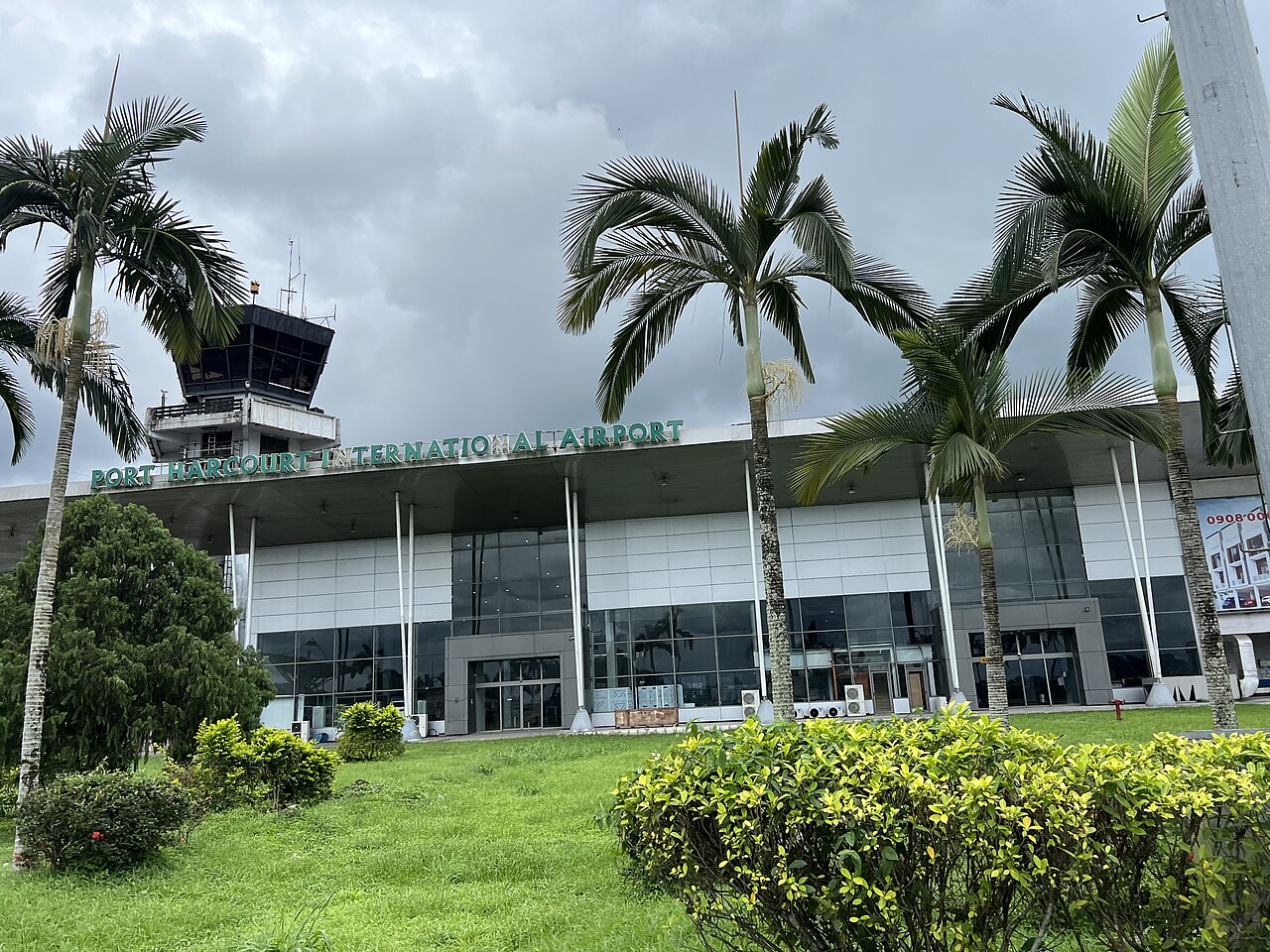
The Federal Government has handed over the management of Port Harcourt International Airport to a private company for the next 30 years, making it the second major Nigerian airport to be concessioned after Enugu. The agreement was signed in Abuja on Thursday by the Minister of Aviation and Aerospace Development, Festus Keyamo, and Port Harcourt Airport Company Limited, according to reports by Vanguard, the News Agency of Nigeria (NAN) and Daily Trust.
The airport, officially known as the Jeremiah Obafemi Awolowo International Airport and located in Omagwa on the outskirts of Port Harcourt, is one of Nigeria’s four main international gateways alongside Lagos, Abuja and Kano.
What the deal involves
Keyamo said the concession had been approved by President Bola Tinubu and the Federal Executive Council (FEC), and described it as a long-planned decision rather than a sudden move. According to the minister, the aim is to bring in private investment, make the airport run more efficiently, raise more revenue and develop its commercial, non-aviation potential such as retail, property and services.
Daily Trust reported that the airport will be run by Port Harcourt Airport Company Limited under R28 Holdings Limited, a private firm it said was incorporated in April 2021. The financial terms of the agreement, including how much the concessionaire will pay the government or invest over the 30 years, were not disclosed in the reports seen by Flashinfong.
Speaking for the investors, R28 Holdings group executive Eyo Asuquo said the company plans to turn the facility into an “airport city” and position Port Harcourt as an aviation hub for the Gulf of Guinea. NAN quoted him as promising that the airport’s infrastructure would be upgraded to standards comparable to airports in Europe and the United States.
Why the government says it is concessioning airports
Keyamo argued that several federal airports are loss-making and that the government has been using profits from its busiest airports to keep the weaker ones running. He also pointed to bureaucratic bottlenecks in public institutions as a reason for bringing in private operators, Vanguard reported.
The minister acknowledged that earlier attempts to concession Nigerian airports had been frustrated by resistance from labour unions and by court cases. This time, he said, the government negotiated with aviation unions before signing the Port Harcourt agreement, and Tinubu had directed that workers’ welfare be protected. Both Keyamo and Asuquo said no airport staff would lose their jobs and that existing conditions of service would be preserved.
Performance reviews every five years
One of the key safeguards announced is a performance review of the concessionaire every five years. According to Daily Trust and other reports, Keyamo warned that the government reserves the right to take back the airport if the operator fails to meet its obligations under the agreement.
The minister also revealed that his ministry has received concession proposals for other airports, including Benin Airport in Edo State and Yola International Airport in Adamawa State, suggesting more deals could follow.
Background: from Enugu to Port Harcourt
The Port Harcourt deal comes months after the government concessioned Akanu Ibiam International Airport in Enugu, which Keyamo cited as an example of a concession in which workers’ jobs were protected. Taken together, the two deals mark a significant step in the Tinubu administration’s push to involve the private sector in running public infrastructure.
Port Harcourt airport has long been one of the country’s busiest, serving the oil and gas hub of the Niger Delta. A new international terminal with capacity for about seven million passengers a year opened in 2018. Earlier this year, the Nigerian Civil Aviation Authority granted the airport full certification, which airport officials said would encourage more international airlines to fly there.
The decision is not without critics. Some Nigerians questioned online why Port Harcourt was being concessioned while the most profitable airports, such as Lagos and Abuja, remain under government control, Daily Trust noted. Labour groups have in the past opposed airport concessions over fears of job losses and loss of public assets.
What happens next
Attention will now turn to the handover process, the timeline for the promised upgrades and whether the concessionaire can attract new airlines and routes to Port Harcourt. Passengers and airlines will be watching for changes in charges, services and facilities, while unions are likely to monitor the government’s pledge that no jobs will be lost. The outcome of the Benin and Yola proposals will also show how far the government intends to take its airport concession programme ahead of the 2027 elections.
Sources: Vanguard, News Agency of Nigeria (NAN), Daily Trust, TheNigeriaLawyer, Airport Technology, Aviation Week.