


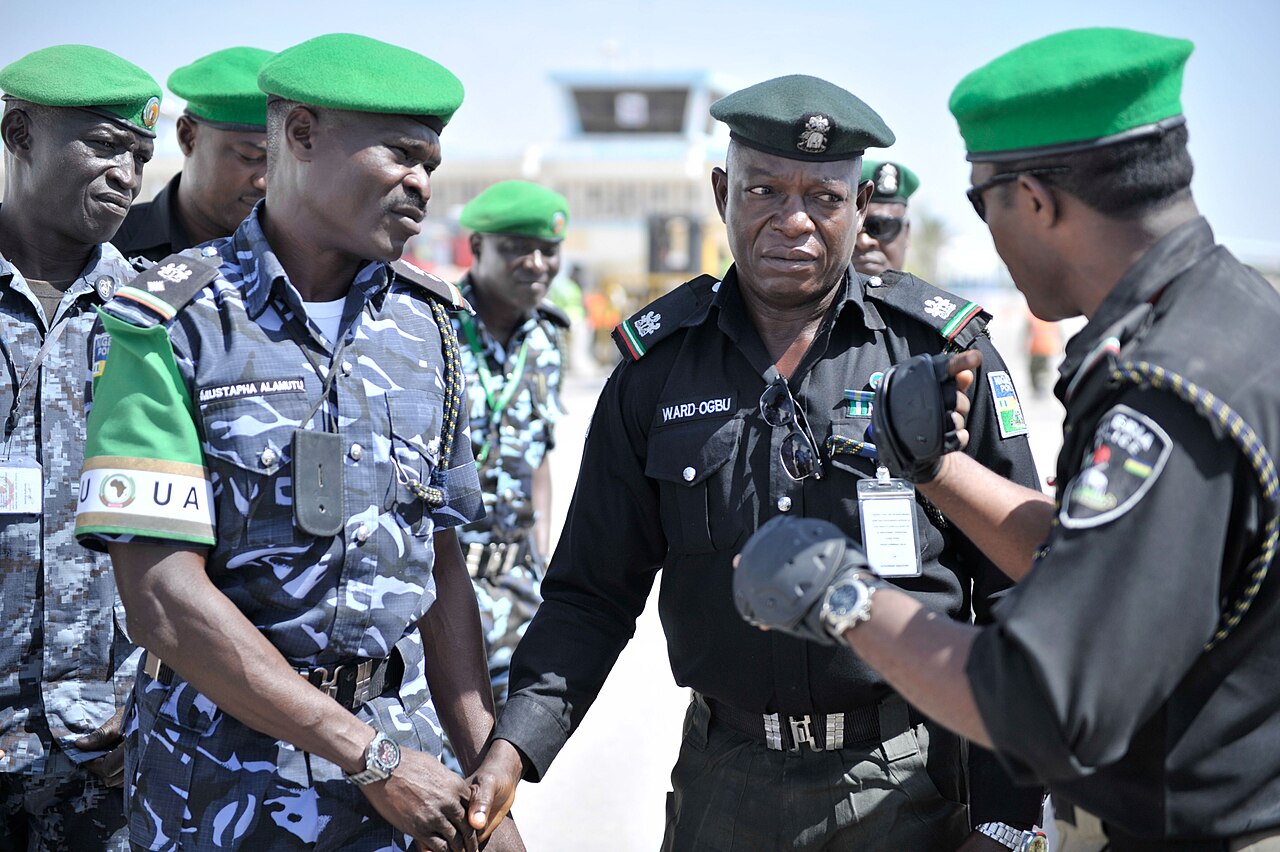
Nigeria has moved a major step closer to decentralised policing. All 36 state Houses of Assembly have approved the constitutional amendment bill that would allow states to set up their own police services, the Clerk to the National Assembly, Kamoru Ogunlana, announced on Monday. The bill is now set to be sent to President Bola Tinubu for his signature.
The unanimous endorsement goes well beyond the minimum the constitution requires, and it came only a day after Senate Leader Opeyemi Bamidele said 32 assemblies had signed off, with four still to report.
What the Clerk announced
In a statement to parliamentary correspondents, Mr Ogunlana said his office had verified the resolutions submitted by each state assembly, according to Premium Times and Tribune. He described the result as a 100 per cent endorsement.
Under Section 9(2) of the 1999 Constitution, an amendment needs the backing of at least two-thirds of the state assemblies, or 24 states. The Clerk said the bill had in fact met that threshold some time ago, but the National Assembly leadership chose to delay sending it to the President so that more states could take part and build a wider national consensus.
He called the outcome an “unprecedented demonstration of synergy” between federal and state lawmakers, and commended governors, speakers and state legislators for their cooperation.
How the numbers climbed
The approvals came in steadily over recent weeks. The National Assembly said on 3 November that 28 assemblies had backed the proposal, Prompt News reported. The Senate later gave the outstanding states a deadline of 15 November, and on Sunday Mr Bamidele said 32 had approved and the last four had until Tuesday, 17 November, when federal lawmakers resume sitting, to report.
Mr Bamidele had insisted the process would move forward whether or not the remaining states met the deadline. In the end, all of them reported before the Tuesday cut-off.
What the amendment would change
The bill would create a Federal Police Service alongside State Police Services, ending Nigeria’s long-standing model in which a single national force under the Inspector-General of Police handles policing everywhere.
According to Premium Times, each state police service would be led by a commissioner appointed by the governor and confirmed by the state House of Assembly, and governors would be able to give directives on matters of insecurity. The federal police would remain under the Inspector-General.
The proposal also bars existing regional security outfits, such as Amotekun in the South-West, Ebube Agu in the South-East and Hisbah in parts of the North, from being converted into state police or exercising police powers under the new framework.
Supporters and critics
The push for state police has gathered momentum amid persistent kidnapping, banditry, terrorism and communal violence. Supporters argue that locally controlled forces would know their communities better, gather intelligence faster and respond more quickly to threats.
Critics, however, have long warned that governors could use state police to intimidate political opponents, especially with the 2027 general elections approaching and campaign violence already a concern. Mr Bamidele has said the reform is meant to create community-based policing with constitutional safeguards, not ethnic or state armies.
What happens next
The Clerk did not give a date for transmitting the bill to the Presidency. Premium Times reported indications that it could happen before the end of this week, while The Punch reported that the President may receive the bill on Friday.
Once President Tinubu signs, the amendment becomes part of the constitution. States would then need their own laws, funding and recruitment plans before any state police force begins operating, a process likely to take months. The Clerk also said the National Assembly would now move quickly to send other bills in the Sixth Constitution Alteration series to the state assemblies.
Sources: Premium Times, Tribune Online, The Sun, Prompt News, The Punch, Legit.ng.