

Spain’s Canary Islands recorded their busiest day for migrant arrivals in six years on Saturday, 14 November, when nearly 1,500 people reached the archipelago in wooden boats from West Africa. Most landed on El Hierro, the smallest and most remote of the islands, which local leaders say can no longer cope with the pace of arrivals.
According to Reuters, citing Spain’s maritime rescue service via the EFE news agency, the day’s total was the highest since 7 November 2020, when 1,461 people were rescued in the waters around the islands. Euronews put Saturday’s figure at 1,488 people on 14 boats, while EFE later reported a higher provisional count of about 1,580. The Associated Press gave a lower one-day figure. The gap reflects different cut-off times and preliminary data rather than any dispute over the scale of the surge.
Twelve Boats in One Day on El Hierro
Twelve of the boats landed on El Hierro, with one more reaching Gran Canaria and another arriving in Tenerife, Reuters reported. Six rescue vessels and two Civil Guard patrol boats took part in the operation, according to Euronews.
The largest single boat to arrive on Saturday carried 240 people, including 12 women and 36 children, according to EFE and Nigeria’s Tribune newspaper. EFE said that boat had spent six days at sea after setting off from Gunjur, a fishing town on the coast of The Gambia. Aid workers quoted by the agency said crossings to El Hierro were taking between four and seven days, with boats leaving from Senegal, The Gambia and Mauritania. More boats were reported arriving on Sunday.
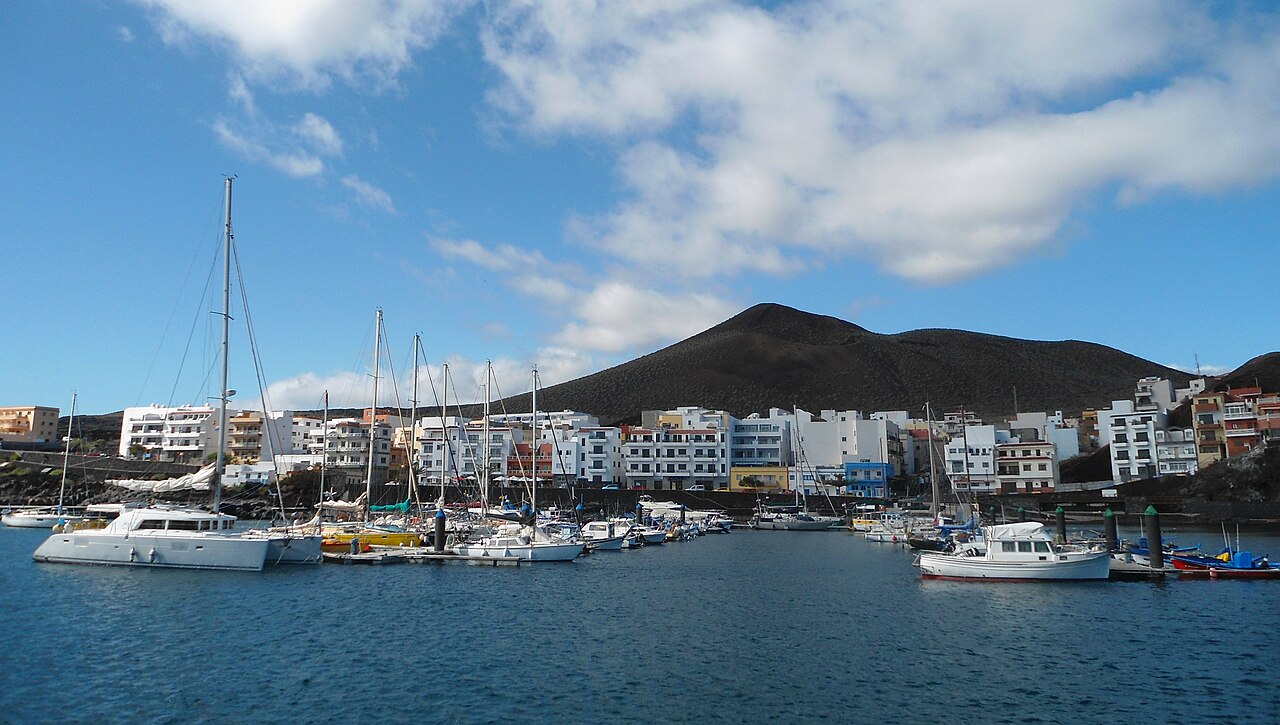
El Hierro has a population of only about 11,500 people, and its main landing point is the small fishing port of La Restinga at the island’s southern tip. The Canary Islands’ regional president, Fernando Clavijo, said the steady stream of boats this month had overwhelmed the island’s resources, Euronews reported. El Hierro’s island council had already declared a social emergency after more than 8,000 people arrived over five weeks.
Spain Declares a Migration Emergency
The national government in Madrid declared a migration emergency for the Canary Islands on 10 November, EFE reported, and pledged about 15 million euros for extra reception places plus 1 million euros for Red Cross health support. More than 8,000 people have reached the islands since the start of November alone, the agency said.
Territorial Policy Minister Ángel Víctor Torres travelled to El Hierro on Sunday to see conditions at the port and meet local officials. Tribune reported that he explained new arrivals are processed at reception centres on the island before being moved to other parts of the Canaries or to mainland Spain.
The pressure has been building for weeks. Spain’s Interior Ministry recorded 6,194 arrivals on the route in October, the highest monthly total since 2023, according to Euronews. Between 1 and 6 November, dozens of boats carrying more than 4,500 people reached the islands, Time News reported, citing Spanish authorities.
One of the World’s Deadliest Crossings
The Atlantic route from the West African coast to the Canaries is widely described as one of the most dangerous migration routes in the world. Boats often travel far out to sea to avoid patrols, turning a relatively short distance on the map into a journey of several days in open water. The migrant rights group Walking Borders recorded 635 deaths on the Atlantic route between January and May 2026, OkayAfrica reported, the highest toll among the routes the group monitors.
Flashinfong recently reported on a shipwreck off Lompoul in Senegal in which at least 34 people died on a boat bound for the Canary Islands, a reminder of how often these journeys end in tragedy.
Most of those now arriving come from Senegal, The Gambia and Guinea, according to allAfrica and Spanish rescue officials. Young men make up the majority, but women and children are on many boats. Joblessness, insecurity in parts of the Sahel and pressure on fishing communities are among the reasons commonly given for the departures.
Why It Matters for West Africans and Nigerians
Nigerians are not among the largest groups on this route, but the surge comes as Nigerian authorities keep warning young people against irregular migration and the criminal networks that profit from it. The Nigerians in Diaspora Commission has campaigned for years against dangerous desert and sea journeys, urging people to use legal pathways instead.
For European governments, the record arrivals add fuel to an already heated debate about asylum and border control. For the families of those making the crossing, the numbers show how many people are still willing to risk their lives in search of work and safety.
What Happens Next
Spanish officials are expected to speed up transfers from El Hierro to larger islands and the mainland to ease overcrowding at the island’s reception centre. The regional government is pressing Madrid and the European Union for more money and a fairer sharing of responsibility for new arrivals.
Sea conditions in the autumn usually allow more departures, so rescue services are preparing for further arrivals in the coming weeks. Flashinfong will continue to follow the story.
Sources: Reuters, EFE, Euronews, Associated Press, Tribune, allAfrica, OkayAfrica, Time News.