

Dangote Petroleum Refinery has reduced the price at which it sells petrol to marketers by ₦60 to ₦1,070 a litre, the lowest level since July and the latest in a run of cuts this month. The reduction should eventually bring relief to motorists, transport operators and small businesses, but the most recent surveys show filling station prices are still far above the refinery’s new rate.
A ₦230 fall in less than three weeks
The new gantry price was recorded on Friday, November 20, down from ₦1,130 a litre on Wednesday, November 18, according to BusinessDay, which cited market checks by energy research platform Petroleumprice.ng. The ICIR reported the same figures and said it is the refinery’s lowest price since July, when it charged ₦1,075 a litre.
The cut caps a volatile November. Dangote’s petrol price rose to ₦1,300 a litre on November 3 under a fixed-naira pricing arrangement. The refinery later returned to pricing linked to international gasoline benchmarks, which triggered a series of reductions, the reports said. On November 16 it cut its price from ₦1,210 to ₦1,159, as Flashinfong reported last week.
Accounts of the steps in between differ slightly. Legit.ng reported a ₦25 cut to ₦1,105 on Thursday, November 19, while BusinessDay and The ICIR describe Friday’s move as a ₦60 reduction from ₦1,130. All agree that the refinery now sells at ₦1,070, about ₦230 below its early-November peak.
Why prices are falling
The cuts follow weaker global oil prices. The ICIR, citing Reuters, said Brent crude, the benchmark for Nigerian oil, was heading for a third straight weekly decline and had lost nearly five per cent over the week, as Middle Eastern exports rose and traders expected a global supply surplus. BusinessDay put Brent at about $91.67 a barrel at the time of its report, noting that supply risks around the Strait of Hormuz still keep the market nervous.
Competition from imports has also played a part. Earlier this week, Legit.ng reported that the landing cost of imported petrol had fallen to about ₦1,063 a litre, below Dangote’s price at the time, putting pressure on the refinery to cut its rates. The ICIR notes that Dangote now supplies about 87.5 per cent of Nigeria’s petrol demand, which makes its gantry price the main reference point for the market.
Pump prices have not caught up
The gantry price is what marketers pay to load petrol at the refinery in Lekki, Lagos. It does not include trucking, depot costs or station margins, so motorists always pay more. But the gap is currently wide.
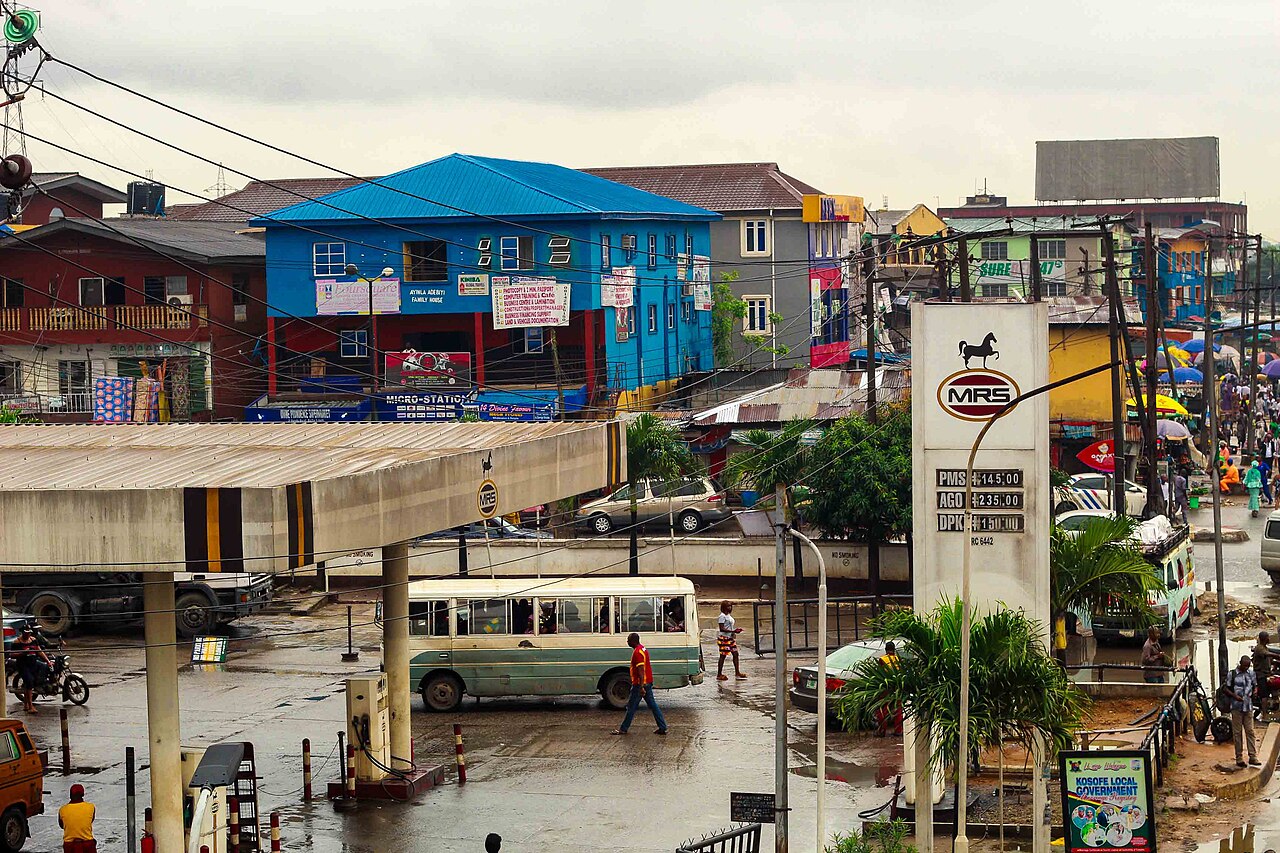
A Legit.ng survey in Abuja on Thursday, before Friday’s cut, found NNPC stations selling at ₦1,300 a litre, down from ₦1,325. MRS reduced its price from ₦1,399 to ₦1,365, while Empire Energy and Ranoil cut theirs from ₦1,420 to ₦1,385. That leaves Abuja pump prices between ₦230 and ₦315 above the new refinery price.
No full survey of pump prices since the ₦1,070 cut has yet been published. Marketers usually adjust prices only after they have sold stock bought at older, higher rates, so the effect may take several days to appear and will vary from station to station and from city to city.
What happens next
BusinessDay and The ICIR say the lower refinery price could sharpen competition among suppliers and make room for further cuts at filling stations. Whether that happens depends on how quickly NNPC, major marketers and independent dealers pass on the reduction, on transport costs, and on global crude prices, which remain exposed to tension in the Middle East.
For households and businesses, petrol prices feed directly into transport fares and food costs, so a sustained fall at the pump would be widely felt. Motorists should check prices at several stations, as rates currently differ widely even within the same city.
Sources: BusinessDay, The ICIR, Legit.ng, Petroleumprice.ng, Reuters.