

The United Nations climate summit in Antalya, Turkey, has ended without an overarching agreement. After nearly two extra days of talks, the COP31 presidency admitted on Sunday, 22 November, that its proposed final text, known as the “Antalya Pact”, could not be adopted because several countries formally objected to it.
The main dispute was over fossil fuels. The final draft did not mention coal, oil or gas at all, and the European Union, the United Kingdom, Panama, the Marshall Islands and a group of developing countries refused to accept a climate deal that was silent on them. It is the first time since the Copenhagen summit in 2009 that a UN climate conference has failed to adopt its main decision text.
How the talks fell apart
COP31 opened on 9 November and was due to close on Friday, 20 November. As Flashinfong reported at the weekend, a revised draft circulated late in the talks removed earlier language on moving away from fossil fuels and dropped a proposed target of at least $120 billion a year in adaptation finance by 2035.
According to CBS News, citing the UN, a coalition led by France and Panama, with members from Europe, Africa, Latin America and the Pacific, rejected the draft on Friday as too weak and demanded explicit wording on fossil fuels and firmer finance commitments. Panama’s environment minister, Juan Carlos Navarro, had vowed to formally object to any text that ignored fossil fuels. Reports said the EU position had the backing of more than 130 countries.
Oil-producing countries pushed for the wording to stay out. Because decisions at UN climate talks require consensus, a single formal objection is enough to block adoption. At the closing plenary, COP31 President Murat Kurum, Turkey’s environment minister, accepted that there was no consensus and said the decisions had not been adopted. According to a Forbes analysis, China had said it would accept the text.
What was in the failed “Antalya Pact”
The draft, prepared under the joint leadership of Turkey and Australia, was built largely around energy. It asked countries to raise electricity’s share of global final energy use to 35% by 2035, a goal nicknamed “35 by 35”, and to expand power grids, storage, renewables and energy efficiency. It also welcomed targets for capturing billions of tonnes of carbon dioxide by 2035, which critics say distracts from cutting fossil fuel use.
The text expressed concern that global warming is set to overshoot the 1.5°C limit in the 2015 Paris Agreement and called for deep and rapid emissions cuts. CBS News noted that the United States sent no official delegation for the second year in a row, following the Trump administration’s withdrawal from the Paris Agreement.
The collapse of the main text does not wipe out everything agreed in Antalya. Separate decisions on other negotiating tracks, including on a just transition for workers and communities, were adopted, and existing climate commitments, including the COP28 pledge in Dubai to transition away from fossil fuels, remain in force.
Guterres: science is not in doubt
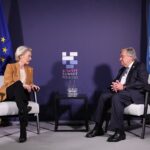
UN Secretary-General António Guterres said he was deeply disappointed that the summit ended without consensus. In a statement reported by Premium Times, he accused powerful fossil fuel interests of copying the tactics of the tobacco industry by distorting science and delaying action, and said the lack of agreement in the negotiating room did not change the scientific evidence.
He urged major emitters to cut emissions quickly this decade, called on rich countries to put firm dates and figures behind their pledge to triple adaptation finance, and said the countries that did least to cause the crisis should not be left to face its worst effects alone.
Why it matters for Nigeria and Africa
For African countries, the failure on adaptation finance is the most immediate blow. Nigeria and its neighbours are already dealing with floods, drought, desertification and extreme heat, and governments across the continent have argued that current funding is too small and too unpredictable to protect vulnerable communities.
The fossil fuel debate is also delicate for Nigeria, an oil and gas producer that is expanding domestic refining while trying to grow renewable power and attract climate investment. A clear global signal on the transition would shape how lenders and investors treat new oil and gas projects on the continent.
What happens next
Work now moves to the next round of UN climate negotiations in 2027, with countries expected to keep pushing roadmaps on the fossil fuel transition and forests launched under Brazil’s COP30 presidency. Analysts say the electricity and grid agenda championed by Turkey will likely continue outside the formal talks through utilities, lenders and coalitions of willing countries.
Sources: CBS News, Premium Times, Forbes, Reuters (via Kyunghyang Shinmun), Nation Thailand.