


The International Court of Justice (ICJ) ruled on Thursday that Myanmar committed genocide against its Rohingya Muslim minority during the military’s 2016–2017 “clearance operations” in northern Rakhine State. The case was brought seven years ago by The Gambia, a small West African country, and the judgment is the first time in the court’s roughly 80-year history that it has found a state responsible for genocide.
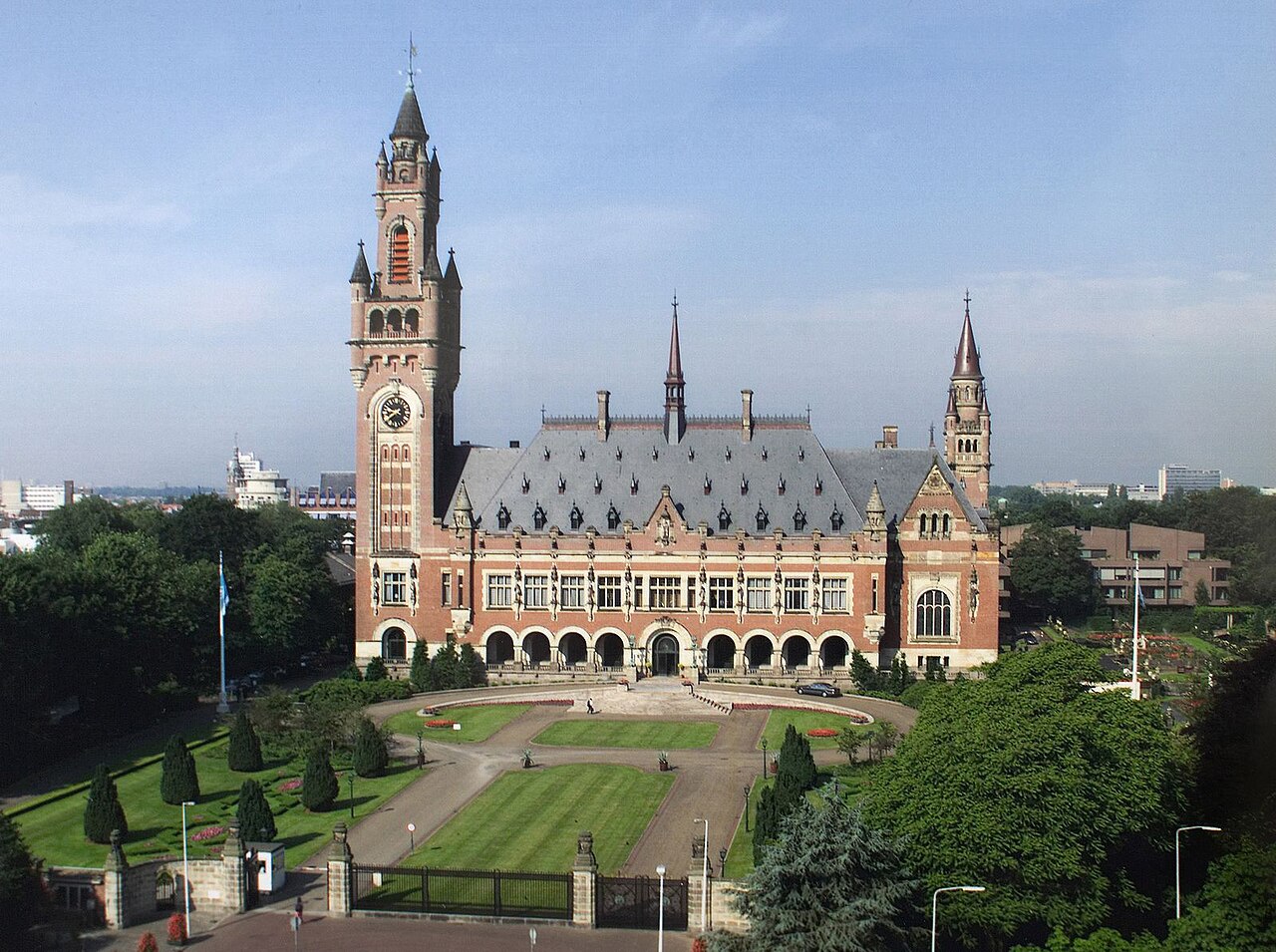
Reading the judgment at the Peace Palace in The Hague, ICJ President Yuji Iwasawa said Myanmar had breached its obligations under the 1948 Genocide Convention. According to the Associated Press, the 15-judge panel reached its finding by nine votes to six.
What the court found
According to AFP, Judge Iwasawa spent nearly three hours setting out the evidence. The court found that Myanmar’s security forces killed thousands of Rohingya civilians, carried out widespread sexual violence against women and committed extreme violence against children. AP reported that the court put the number of Rohingya killed at about 10,000.
Judges also found that Rohingya villages were systematically destroyed and later settled by non-Rohingya people. The court said the “only reasonable inference” from this pattern was that Myanmar intended to destroy the group, at least in part. Proving that intent is the hardest test in any genocide case, and it is why such findings are so rare.
The court further found that Myanmar had failed to properly investigate, prosecute and punish those responsible, which the Genocide Convention requires.
Orders to Myanmar
According to AFP, the court ordered Myanmar to allow and facilitate the safe, voluntary and dignified return of Rohingya refugees to the places they fled. It also told Myanmar to investigate and punish anyone suspected of genocide. Compensation for victims will be decided later.
ICJ judgments are final, binding and cannot be appealed. However, the court has no police force of its own and cannot enforce its rulings. Al Jazeera noted before the verdict that if Myanmar ignores the judgment, The Gambia could ask the UN Security Council to act. Whether that leads anywhere will depend on the council’s permanent members.
Why a West African country brought the case
The Gambia filed the case in November 2019 with the backing of the 57-member Organisation of Islamic Cooperation. It used Article 9 of the Genocide Convention, which allows any state that has signed the treaty to take another signatory to the ICJ, even if it was not directly affected. In 2022 the court rejected Myanmar’s argument that The Gambia had no standing to bring the case.
During hearings in January, Gambian Justice Minister Dawda Jallow told judges the case was “about real people, real stories” rather than abstract legal points. Myanmar has always denied genocide. Its representatives argued that the military was responding to attacks by insurgents that killed security personnel.
The 2017 crackdown drove at least 730,000 Rohingya into neighbouring Bangladesh, according to Al Jazeera. More than one million Rohingya now live in camps around Cox’s Bazar, the largest refugee settlement in the world.
Reaction
Human Rights Watch welcomed the ruling. Its senior international justice counsel, Maria Elena Vignoli, described it as long-awaited recognition of what the Rohingya have suffered at the hands of Myanmar’s military. In the camps in Bangladesh, refugees gathered to follow the verdict, many holding placards calling for justice, according to news agency reports.
The ruling is likely to add pressure on Min Aung Hlaing, who commanded the army during the 2017 operations, seized power in a 2021 coup and was installed as civilian president this year after tightly restricted elections, AFP reported.
What happens next
The court will set out how compensation is to be determined in a later phase. Legal experts are also studying the judgment closely for clues on how the ICJ may approach other pending genocide cases, including South Africa’s case against Israel over Gaza.
For Africa, the case stands out as an example of a small African state using international law to seek accountability for crimes far from its borders. For the Rohingya, the question now is whether a binding judgment will translate into safe return, citizenship and justice on the ground.
Sources: AFP, Associated Press, Al Jazeera, Human Rights Watch, UN News.