


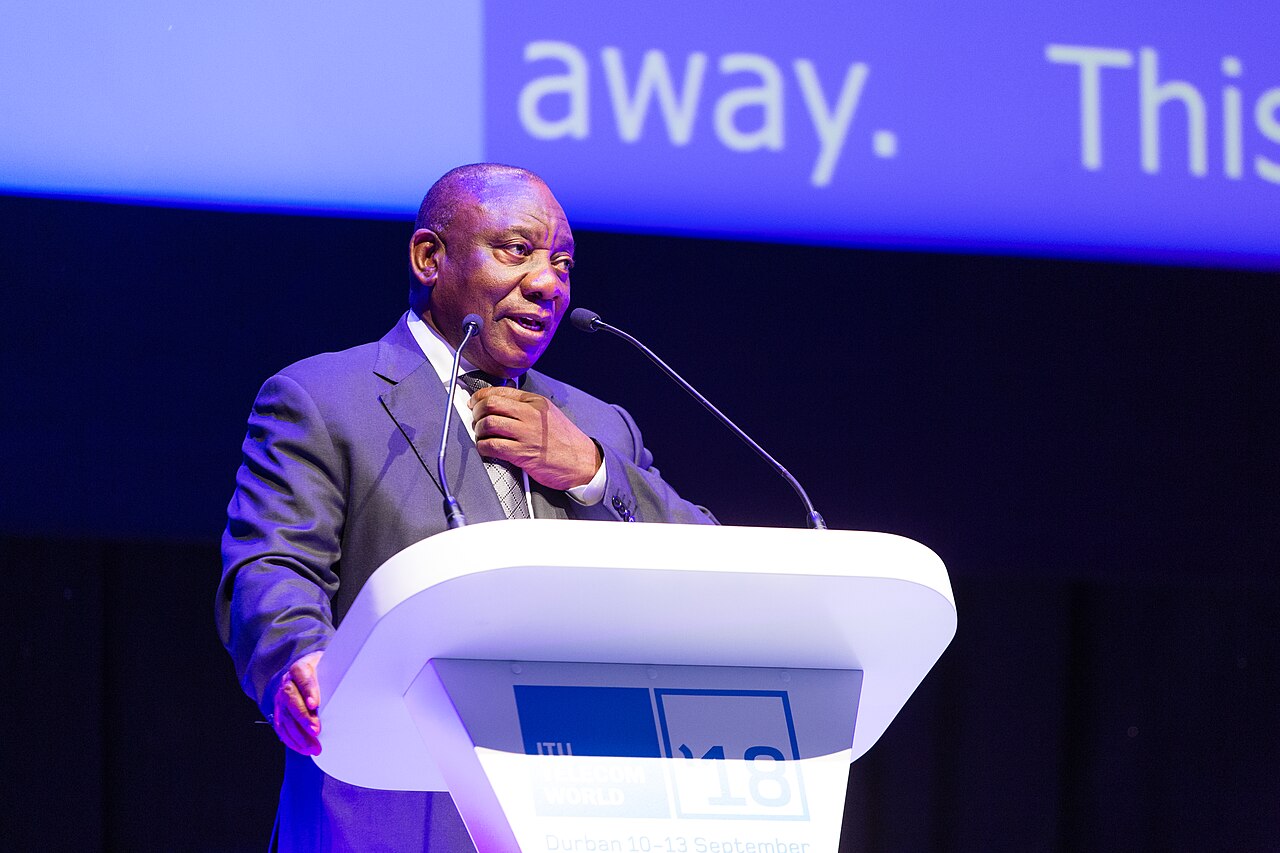
South African President Cyril Ramaphosa has won a significant legal battle in the long-running Phala Phala affair. On Wednesday, a full bench of the Western Cape High Court in Cape Town declared unlawful the 2022 independent panel report that found he may have had a case to answer over the theft of foreign currency from his game farm, and set it aside in its entirety. The ruling also sets aside the steps Parliament took on the strength of that report, effectively bringing the impeachment inquiry against him to a halt, at least for now.
What the court decided
Judge President Nolwazi Mabindla-Boqwana read out the unanimous order of the three-judge bench. According to Scrolla.Africa and Daily Maverick, the court declared the Section 89 panel report unlawful, reviewed and set it aside, and did the same to any action the National Assembly took because of it. Each party was ordered to pay its own legal costs.
The judges found that the panel, chaired by former Chief Justice Sandile Ngcobo, had misunderstood its role, gone beyond its mandate and made material errors of law, Daily Maverick reported. A central point was the standard of proof: Parliament’s rules required the panel to decide whether there was sufficient evidence of serious misconduct, but the court found the panel instead applied a lower test of whether the president merely had a prima facie case to answer. IOL reported that the court also found the panel had strayed beyond the four charges the president was asked to answer.
Importantly, the ruling is not a finding on Ramaphosa’s conduct. News24 noted that the president’s actions were not before the court, and IOL reported that the judges stressed their decision did not mean Ramaphosa should escape a lawful impeachment process. The Presidency said it would study the judgment.
How the case got here
The saga dates back to 9 February 2020, when about $580,000 in cash was stolen from Ramaphosa’s Phala Phala farm in Limpopo. The president’s account is that the money came from the sale of buffalo to a Sudanese businessman in December 2019. Questions over why the cash was kept at the farm, and why the theft was not promptly reported to police, have dogged him ever since.
In November 2022, the Ngcobo panel found there was preliminary evidence that Ramaphosa may have committed serious violations. In December 2022, the African National Congress (ANC) used its then-majority in the National Assembly to vote against referring the report to an impeachment committee. The Economic Freedom Fighters (EFF) challenged that vote, and in May 2026 the Constitutional Court set it aside, reviving the impeachment process.
Ramaphosa then launched his own review of the panel report. In July, the Western Cape High Court barred the newly formed impeachment committee from holding public hearings until the review was decided. When the case was argued in September, the MK Party contended that the High Court had no jurisdiction to hear it, allAfrica reported.
Other institutions have also looked at the matter. Daily Maverick recalled that the South African Reserve Bank, the tax authorities and the Public Protector found no wrongdoing by the president. Earlier this month, two people were convicted of the theft itself.
Reactions
The ANC welcomed the ruling, saying it should put the matter to rest, according to Daily Maverick. Opposition parties were far less satisfied. Vuyolwethu Zungula, leader of the African Transformation Movement (ATM), who brought the original impeachment motion in 2022, said outside court that his party was consulting lawyers about an appeal and would talk to other parties about joining it.
National Assembly Speaker Thoko Didiza had agreed to abide by the court’s decision, so Parliament itself is not expected to appeal, Daily Maverick reported.
What happens next
With the report set aside, the impeachment committee has no lawful basis on which to proceed, and Parliament is expected to formally wind it down in line with the judgment. The outcome now depends largely on whether the ATM, EFF or other parties seek leave to appeal, which could take the dispute back to the Supreme Court of Appeal or the Constitutional Court. Analysts also say the political damage from the affair is likely to linger regardless of the legal result.
For the wider continent, the case has been closely watched as a test of how far courts and parliaments can hold a sitting African head of state to account, and of how legal processes and party politics intersect in South Africa’s democracy.
Sources: Daily Maverick, News24, IOL, Scrolla.Africa / allAfrica, The Citizen.