

Nigeria has moved a major step closer to creating state-controlled police forces. The National Assembly says 28 of the country’s 36 state Houses of Assembly have voted to approve the constitution alteration bill that would set up State Police Services, comfortably above the minimum required by the Constitution.
The announcement was made on Tuesday in Abuja by the Clerk to the National Assembly, Kamoru Ogunlana, according to Premium Times and the News Agency of Nigeria (NAN), as reported by Peoples Gazette. The bill is now being prepared for transmission to President Bola Tinubu for his assent.
What the Clerk announced
In his statement, Mr Ogunlana said his office had received reports from the state assemblies and checked their Votes and Proceedings to confirm that the records were authentic. He said the office “confirms that 28 State Houses of Assembly have approved the Bill.”
Section 9 of the 1999 Constitution requires that any amendment be backed by resolutions of at least two-thirds of the state Houses of Assembly. With 36 states, the threshold is 24. The 28 approvals therefore beat the requirement by four states. The statement did not list the individual states that voted for or against the bill.
The Clerk said the approval was important for strengthening the country’s security architecture and deepening federalism. He also thanked the state assemblies for their cooperation and timely responses, according to NAN.
How the bill got here
The measure is formally titled the Constitution of the Federal Republic of Nigeria, 1999 (Sixth Alteration) Bill, 2026. According to Premium Times, the Senate passed it on June 24, 2026, and the House of Representatives approved it on July 23, 2026, after a report by its Committee on Constitution Review, chaired by Deputy Speaker Benjamin Kalu. The House had earlier set aside its own version and adopted the executive proposal sent by President Tinubu. Members of the House Minority Caucus walked out at the time over concerns about the voting process.
The bill was sent to the 36 state assemblies on September 16, with a request that they respond within 30 days. That window closed on October 15, but the Clerk said the 30 days was an administrative timeframe rather than a constitutional deadline, and that his office would continue to accept reports from states until the bill is transmitted for assent.
Mr Ogunlana also noted that Section 9 does not expressly require a third reading for a constitution alteration bill, unlike ordinary bills, Peoples Gazette reported.
What the amendment would change
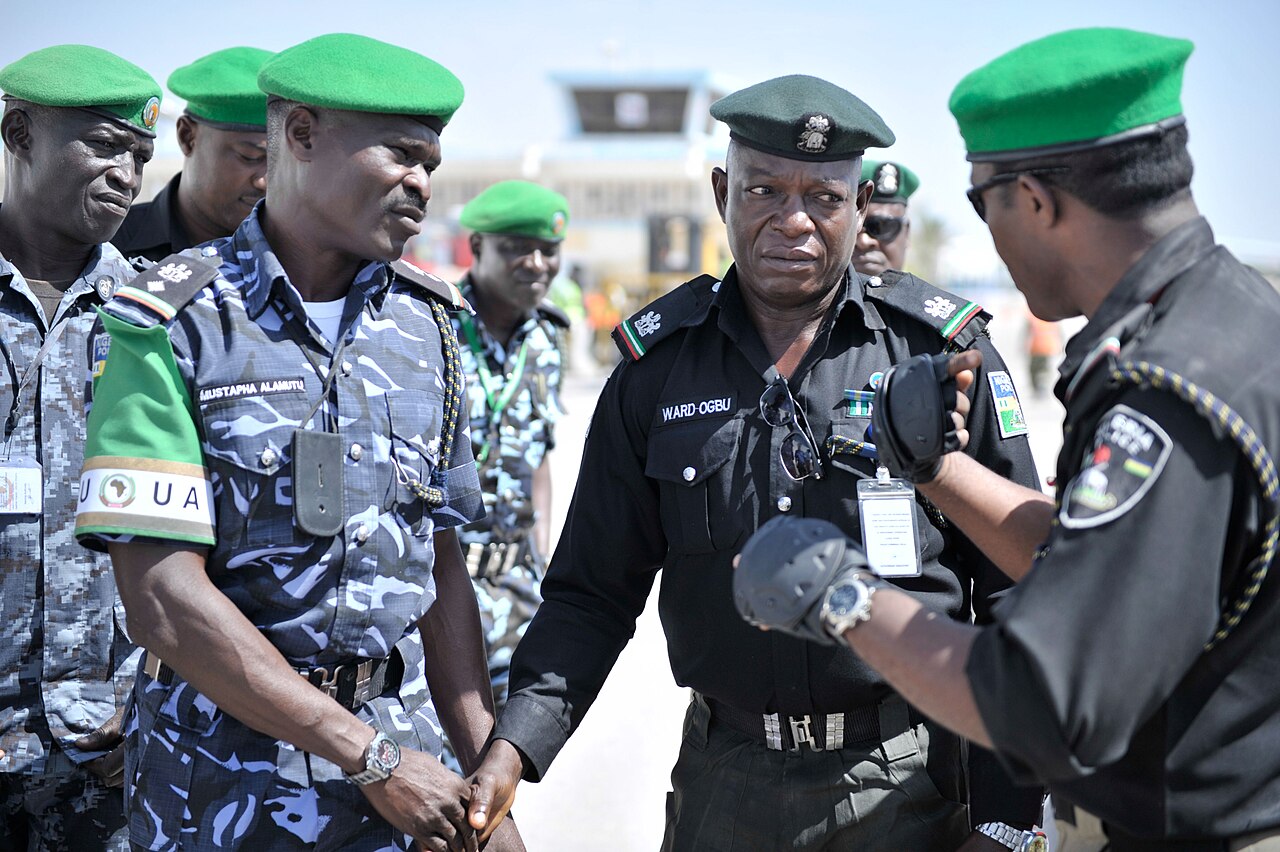
Nigeria currently has a single, centralised police force, the Nigeria Police Force, under the overall command of the Inspector-General of Police in Abuja. Critics have long argued that this structure makes it hard for police to respond quickly to local threats such as banditry, kidnapping and communal violence.
According to Premium Times, the bill would move the country to a dual system made up of Federal Police Services and State Police Services. Governors would appoint state police commissioners on the recommendation of the relevant police service commission, with confirmation by the State House of Assembly. The bill also sets out how governors would relate to their state commands, including issuing lawful directives on public safety and public order.
Supporters say state forces would be better placed to use local knowledge and intelligence. Opponents have warned in the past that some governors could misuse police against political rivals, and that poorer states may struggle to fund and equip their own forces.
What happens next
The Clerk’s office says it is preparing to send the bill to the President under the Acts Authentication Act. Before that, the National Assembly still has to complete remaining procedures and formally authenticate the amendment. Senate Leader Opeyemi Bamidele has said both chambers aim to finish the process before December 2026, according to Premium Times.
Because the executive itself proposed the version that was adopted, presidential assent is widely expected. Once signed, the federal and state governments would still need enabling laws, funding and recruitment plans before any state police command could begin operating, a process likely to take months.
The development comes as Nigeria continues to battle insecurity across several regions and as the country heads towards the 2027 general elections, where security is expected to be a major campaign issue.
Sources: Premium Times, Peoples Gazette (via News Agency of Nigeria), Leadership, Blueprint.