

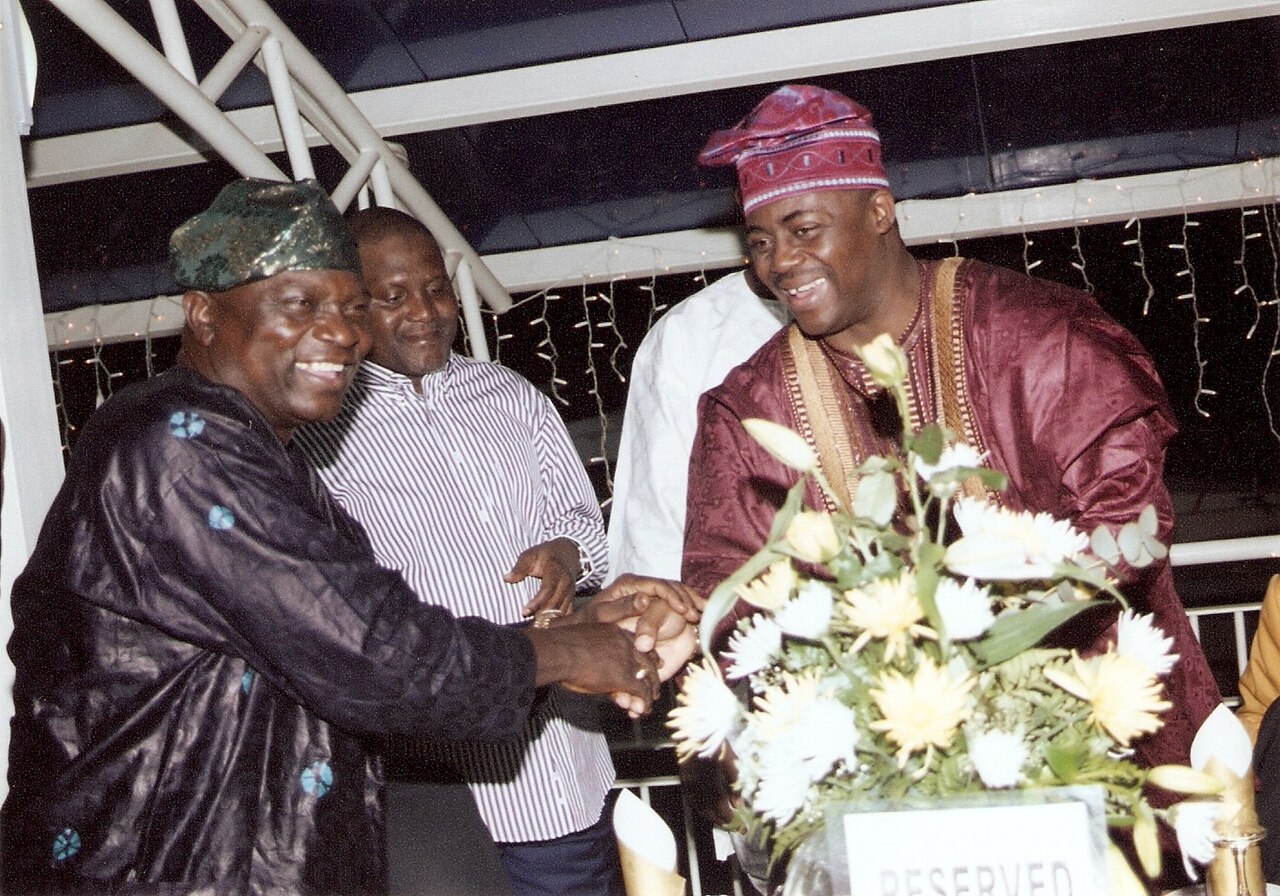
A week after taking up his post in Pretoria, Nigeria’s High Commissioner to South Africa, Femi Fani-Kayode, is at the centre of a public diplomatic dispute. South Africa’s Department of International Relations and Cooperation (DIRCO) says it called him in on Tuesday, 17 November, to raise concerns about his social media comments following his credentials ceremony with President Cyril Ramaphosa. Within hours, the Nigerian High Commission issued its own statement insisting that the envoy was neither reprimanded nor warned.
The two accounts of the same meeting differ sharply, and the episode has drawn fresh attention to a relationship between Africa’s two largest economies that has often been strained by the treatment of Nigerians living in South Africa.
How the row started
Fani-Kayode was one of 15 foreign envoys who presented their letters of credence to Ramaphosa on 13 November at the Sefako Makgatho Presidential Guest House in Pretoria, according to reports by TheNigeriaLawyer and Blueprint. Flashinfong reported on the ceremony at the time, when the new High Commissioner pledged to rebuild ties between the two countries.
Afterwards, Fani-Kayode said on X that the South African Presidency’s livestream of the event was cut off just before his introduction and speech, and resumed only after he had finished, while other diplomats’ presentations were shown. He suggested the Nigerian delegation had been deliberately left out.
South African officials disputed that account. Presidential spokesperson Vincent Magwenya said Ramaphosa had referred the envoy to the public broadcaster’s foreign editor to deal with his complaint and had not interfered in the broadcaster’s editorial work. The SABC, for its part, said in a statement that its coverage was separate from the Presidency’s own stream, that it had aired footage of the Nigerian envoy’s arrival and posted clips of him with Ramaphosa, and that he had turned down an interview request. The Presidency later released a recording of his address.
Reports on the original broadcast indicate the stream appeared to suffer a technical fault during the presentation by the French ambassador, who spoke immediately before Fani-Kayode. None of the published accounts has established that the interruption was deliberate.
What South Africa says happened at the meeting
In a statement issued on Tuesday, DIRCO said its Director-General, Zane Dangor, met Fani-Kayode and conveyed Pretoria’s concern about the events that followed the credentials ceremony and the envoy’s subsequent remarks on social media. Premium Times reported that the department described the meeting as a démarche, a formal diplomatic step used to register displeasure.
According to the statement, Dangor reminded the High Commissioner of Article 41 of the 1961 Vienna Convention on Diplomatic Relations, which requires diplomats to conduct official business with the host state through its foreign ministry. DIRCO said it was stressed that all official communication should go through established diplomatic channels.
The department also said Dangor reaffirmed the importance of the long-standing relationship between South Africa and Nigeria and Pretoria’s commitment to strengthening it.
Nigeria’s account: “cordial and constructive”
The Nigerian High Commission rejected the suggestion that its envoy had been rebuked. In its own statement, reported by Premium Times, the mission said the meeting was a friendly exchange in which both sides discussed matters of mutual concern and reaffirmed their commitment to diplomatic protocol and bilateral ties.
The mission said Fani-Kayode used the meeting to express displeasure with how Magwenya had handled the controversy, and that Dangor assured him his concerns would be looked into. It added that the High Commissioner made clear that Nigeria’s patience over the problems faced by its citizens in South Africa was running out.
Fani-Kayode also posted on X that the meeting was cordial and that he looked forward to building on its outcome.
Why it matters for Nigerians in South Africa
Nigeria and South Africa share deep political and economic links, but relations have been tested repeatedly by xenophobic attacks, immigration disputes and complaints about the treatment of Nigerian nationals. Nigerian lawmakers and officials have raised those concerns many times over the past decade.
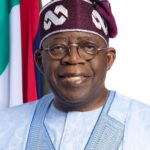
Fani-Kayode, a former aviation minister known for his outspoken social media presence, was appointed an ambassador by President Bola Tinubu in late 2025 and confirmed by the Senate that December. His early public stance on the welfare of Nigerians in South Africa signals that the issue will be central to his mission.
What happens next
Both governments say they value the relationship, which suggests neither side wants the dispute to escalate further. Observers will be watching whether future exchanges move from social media into formal channels, as Pretoria has requested, and whether the Nigerian mission’s concerns about citizens’ safety lead to concrete talks between Abuja and Pretoria. Nigeria’s Ministry of Foreign Affairs had not issued a separate statement on the matter at the time of writing.
Sources: Premium Times, Tribune Online, Blueprint, TheNigeriaLawyer, Briefly News.