

The Federal Government raised about N1.42 trillion from local investors at its November bond auction, with borrowing costs falling slightly from October even though bids did not cover the full amount on offer. Results published by the Debt Management Office (DMO) and reported by Nairametrics, The Sun and ThisDay show that stop rates settled between 16.89% and 16.99%, below the 16.99% to 17.29% range recorded a month earlier.
The auction was held on Monday, 16 November, and settlement takes place today, Wednesday, 18 November, when successful bidders pay for the bonds and the money moves to the government.
Bids fell short of the N2 trillion offer
The DMO offered N2 trillion across four existing bonds: the 21.00% March 2028 bond (N700 billion), the 19.30% April 2029 bond (N250 billion), the 17.945% August 2030 bond (N750 billion) and the 19.89% May 2033 bond (N300 billion).
According to The Sun, investors submitted bids worth N1.81 trillion, about N190 billion less than the amount offered. The DMO allotted N1.42 trillion, or roughly 71% of the offer. ThisDay put subscriptions at just over 90% of the amount on sale.
Even so, Nairametrics noted that the November allotment was about 17% higher than the roughly N1.21 trillion the DMO sold at the October auction, when it offered N1.75 trillion.
The May 2033 bond took nearly half the money
Demand was uneven across the four instruments. The longest bond on offer, the May 2033 paper, attracted bids of about N766.4 billion against an offer of N300 billion, according to Nairametrics. The DMO chose to allot N676.58 billion on that bond at 16.99%, more than double the original offer and close to half of the total amount raised.
The April 2029 bond also saw reasonable interest. The Sun reported subscriptions of N350.78 billion against N250 billion offered, with N241.03 billion allotted. Demand was weaker for the March 2028 and August 2030 bonds. The March 2028 bond cleared at 16.89%, the lowest rate at the auction.
The Sun said the strong appetite for the 2033 bond suggests investors may be trying to lock in relatively attractive returns for a longer period amid uncertainty in the financial market.
Why the rates matter
The stop rate is the highest yield the government agrees to pay to raise money at an auction. A lower rate means cheaper borrowing for the Federal Government, which relies heavily on the domestic debt market to fund its budget deficit.
The slight easing comes as headline inflation slowed to 14.06% in October, according to the National Bureau of Statistics, and ahead of the Central Bank of Nigeria’s Monetary Policy Committee meeting later this month. With bond yields near 17%, investors are still earning returns well above the current inflation rate.
The auction also took place during a week of heavy cash inflows into the banking system. Nairametrics estimated about N3.37 trillion in inflows this week from maturing open market operation bills, Treasury bills and bond coupon payments, which helped support demand.
Domestic borrowing in 2026 so far
ThisDay reported that subscriptions to FGN bonds reached about N17.1 trillion in the first 11 months of 2026. Over the same period, the government offered about N12.1 trillion and raised an estimated N9.8 trillion through the bond market. Earlier figures showed the DMO allotted N7.15 trillion in bonds between January and September alone, more than double the amount in the same period of 2025.
According to Leadership and other reports on the DMO’s calendar, the government is relying more on the domestic market as it works to close the 2026 budget deficit.
What happens next
The DMO’s revised calendar shows one more bond auction for the year, scheduled for 14 December, when it plans to offer another N2 trillion across the same four bonds. Market watchers will look to the CBN’s rate decision and year-end liquidity conditions for signals on whether yields can keep falling.
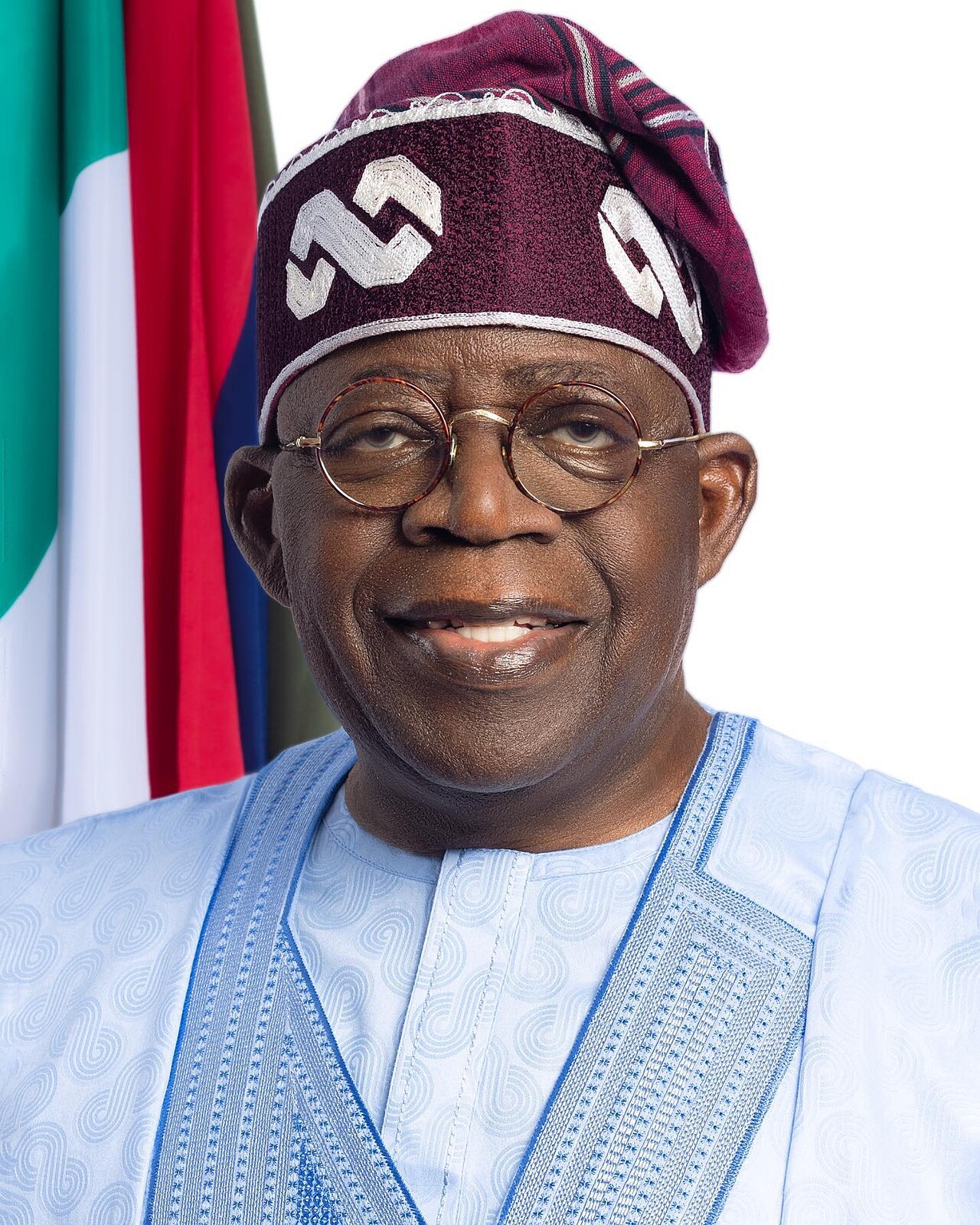
The 2027 budget, which President Bola Tinubu is expected to present to the National Assembly before the end of the year, will also show how much the government plans to borrow next year.
Sources: Debt Management Office, Nairametrics, The Sun, ThisDay, Leadership, Channels TV.