

The United Nations climate summit in Antalya, Turkey, ran past its scheduled close on Friday night as negotiators from nearly 200 countries failed to agree on a final political deal. The sticking point is stark: the latest draft of the agreement no longer mentions fossil fuels at all, a change that has angered small island states, the European Union, several Latin American countries and many African campaigners.
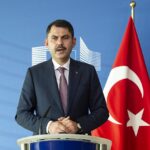
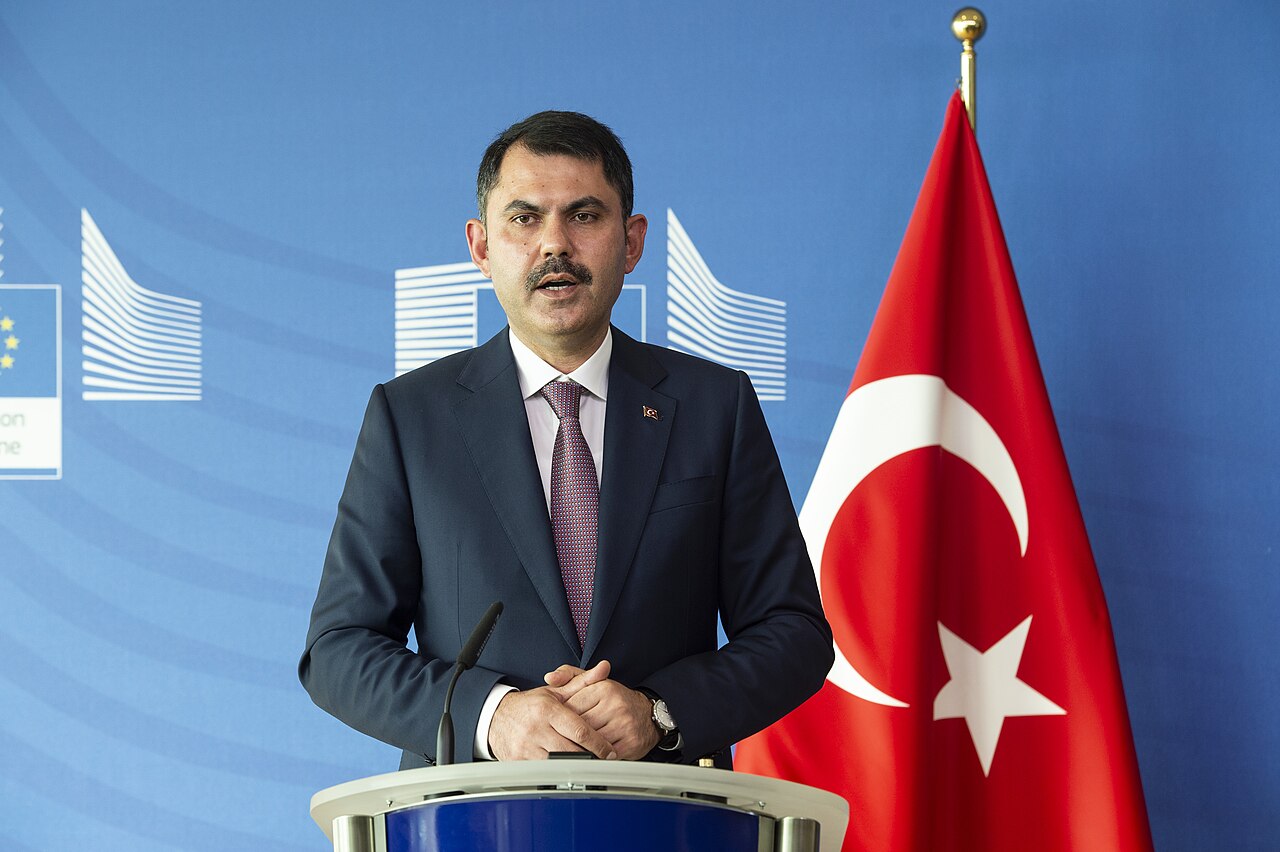
According to Al Jazeera, Reuters and the Associated Press, COP31 President Murat Kurum, Turkey’s environment minister, told delegates late on Friday that they were close to a deal but “not there yet”. He promised a third version of the text on Saturday after overnight talks. As of Saturday, Ireland’s RTÉ reported that no new draft had yet emerged and that exchanges between the EU and the summit leadership had been tense.
What changed in the draft deal
The summit is being run under an unusual joint arrangement. Turkey holds the COP31 presidency, while Australia’s climate minister, Chris Bowen, chairs the negotiations. An opening draft that Australia circulated on Monday called for countries to speed up the move away from coal, oil and gas.
That language did not survive. A slimmer draft published on Thursday removed every reference to fossil fuels, according to Reuters and The Guardian. Reuters reported that the change followed objections from Saudi Arabia and other major oil and gas producers. The same draft also dropped a proposed $120 billion target for money to help developing countries adapt to the effects of climate change, such as floods, droughts and rising seas.
The text does keep a proposal, promoted by Turkey, to raise the share of the world’s energy use that comes from electricity to 35 percent by 2035. AP noted, however, that the draft does not require that electricity to come from renewable sources such as solar and wind, which means power from gas or coal plants could still count. The draft also says a fund that compensates countries hit by climate disasters should be tripled, but it gives no figure.
For the first time at a COP, the draft text acknowledges that the goal of keeping global warming below 1.5°C has been missed, according to several reports.
Who is pushing back
Panama, which signed a letter with about a dozen other countries demanding “a clear transition away from fossil fuels”, has threatened to walk out. Its environment minister, Juan Carlos Navarro, told reporters that a deal without any mention of fossil fuels was not acceptable. The EU warned that the draft risked turning the meeting into a “fossil summit”, Al Jazeera reported.
The Alliance of Small Island States said emissions cuts were far behind schedule and that leaving out fossil fuels made no sense. Mohamed Adow of the Nairobi-based think tank Power Shift Africa went further, describing Antalya as the worst COP ever during a briefing reported by RTÉ.
The talks are taking place against a difficult background. Energy prices have surged because of the war involving Iran, and for the second year in a row the United States has not sent a delegation, according to The National.
Why it matters for Nigeria and Africa
African countries contribute a small share of global emissions but face some of the heaviest costs of a warming climate, from flooding in Nigeria’s river states to drought in the Sahel and East Africa. Many African negotiators came to Antalya hoping for firm commitments on adaptation finance, which is why the removal of the $120 billion target has caused particular frustration.
Nigeria’s own position is complicated. It is Africa’s largest oil producer and has recently become a major exporter of refined fuel, helped by the Dangote Refinery. At the same time, it is highly exposed to climate shocks and is seeking finance for clean energy and flood defences. How the final text treats fossil fuels and adaptation money will shape the support countries like Nigeria can expect in the coming years.
Africa will also have a bigger say next year. Ethiopia is due to host COP32, and its foreign minister, Gedion Timothewos, has pledged to put climate finance and African priorities at the centre of that meeting.
What happens next
COP decisions require consensus, so any one bloc can hold up a final agreement. Negotiators are expected to keep working through Saturday on the document, known as the Antalya Accords. Possible outcomes include a compromise that restores some reference to fossil fuels, a weaker deal that leaves the issue out, or a postponement of key decisions to next year. AP reported that some technical decisions had already been pushed back to 2027.
Flashinfong will update this story when a final text is agreed.
Sources: Al Jazeera, Reuters, Associated Press, The Guardian, RTÉ, The National.