


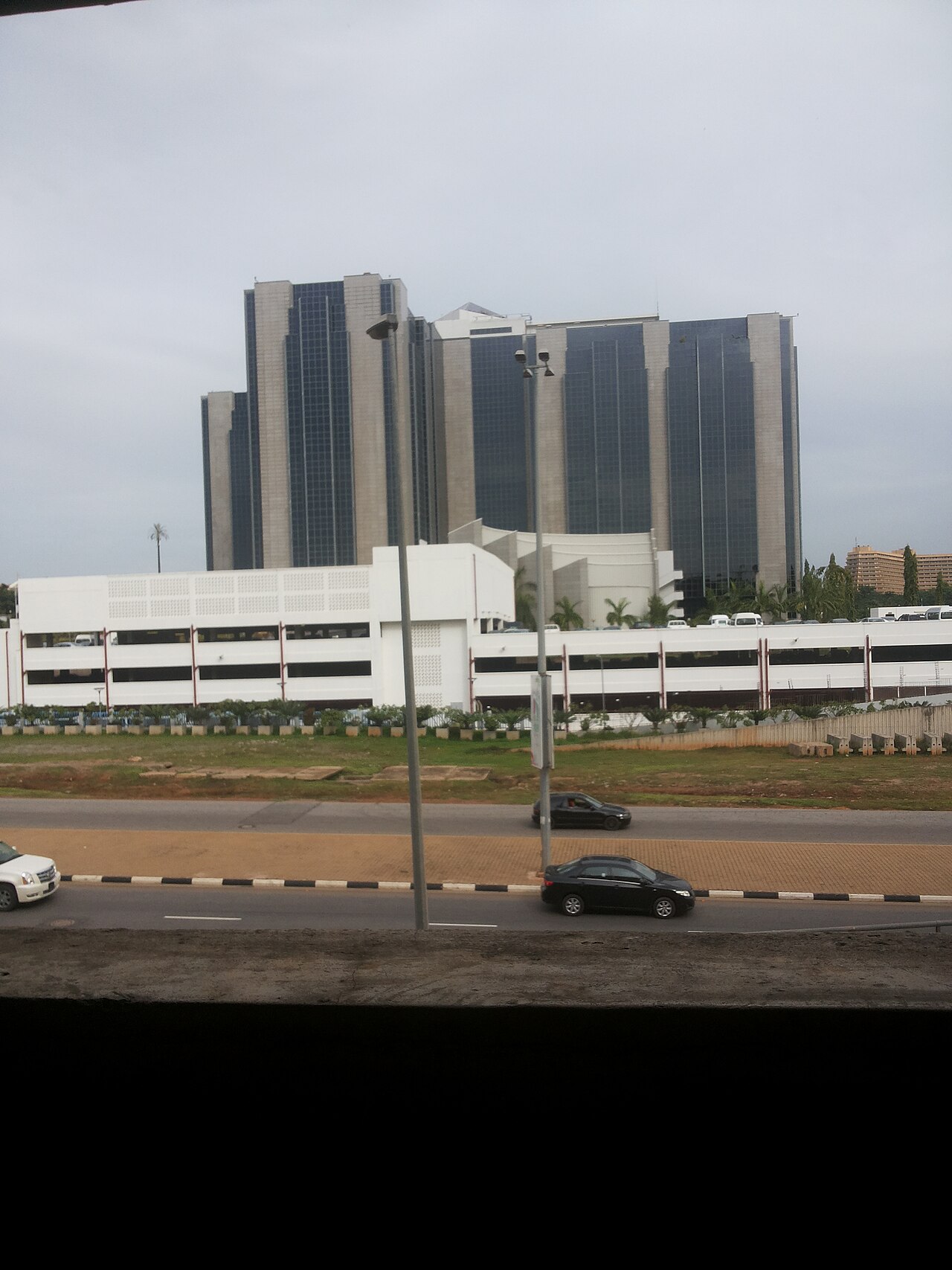
The naira ended the week at its weakest level in months, briefly trading at N1,400 per US dollar in the official market on Friday, 20 November, despite heavy dollar sales by the Central Bank of Nigeria (CBN). It was the currency’s fifth consecutive day of losses, and analysts say the pressure is unlikely to ease before the end of the year.
The slide comes days after the naira fell to around N1,363 officially and N1,470 on the street, as Flashinfong reported on Thursday. Since then, the official rate has weakened further, and all eyes are now on the CBN’s Monetary Policy Committee (MPC), which meets on Monday and Tuesday.
How the naira moved this week
According to a Nairametrics review of CBN trading data, the naira traded between N1,387.10 and N1,400 per dollar on Friday before closing at N1,394. It had closed at N1,360 on Monday, meaning it lost about N34 against the dollar over the week, a fall of roughly 2.5%.
The biggest single-day drop came on Wednesday, when the closing rate fell by almost N17 to N1,379.99. The currency then slipped to N1,388 on Thursday, which Nairametrics described as its weakest close since early March.
BusinessDay, using the CBN’s published Nigerian Foreign Exchange Market (NFEM) rate, put Friday’s figure at N1,389.73 per dollar, down N13.15 (about 0.95%) from Thursday’s N1,376.58. The two figures differ slightly because one is a closing rate and the other a weighted average, but both point the same way.
Trading volumes also jumped. Interbank turnover rose to $815.57 million on Friday across 179 deals, up from just $68.66 million on Monday, Nairametrics reported. Across the five sessions, it put total turnover at about $2.55 billion.
CBN steps in, but demand outweighs supply
The weakness came even though the apex bank has stepped up its interventions. Cordros Securities, cited by Nairametrics, estimated that the CBN sold about $1.30 billion during the week, but said sustained demand from foreign portfolio investors outweighed that supply.
BusinessDay, citing FMDQ data and analysts at Quest Merchant Bank, reported that the CBN’s foreign exchange sales jumped to about $2.5 billion in October from $479 million in September, showing how much more the bank has had to supply to keep the market liquid.
Analysts point to three main pressures:
- Election jitters: uncertainty ahead of the 2027 general elections has made some foreign investors cautious, slowing inflows and prompting some to take money out.
- Festive demand: importers, travellers and businesses usually need more dollars in November and December.
- Weaker global inflows: tight monetary conditions abroad have reduced the flow of foreign money into emerging markets.
Parallel market, forwards and reserves
In the parallel (black) market, the picture was slightly different. BusinessDay reported that the naira actually firmed a little on Friday, closing at N1,455 per dollar from N1,460 on Thursday, which narrowed the gap with the official rate to about N66. Nairametrics put the weekly parallel-market rate at N1,458, about 2.3% weaker than a week earlier.
Forward contracts, which show where traders expect the rate to go, also weakened. The one-month forward rate eased to about N1,415, the three-month rate to around N1,452, and the one-year rate to almost N1,598 per dollar, according to Nairametrics.
Nigeria’s external reserves, which give the CBN the firepower to defend the naira, are also falling. BusinessDay reported that reserves dropped by about $610 million in under a month, from a peak of $55.26 billion on 27 October to $54.65 billion on 19 November. They remain, however, nearly 24% higher than a year ago.
What analysts expect next
Most analysts expect the pressure to continue until the end of the year. Cordros Securities said demand would likely stay high because of weaker net foreign inflows and investor caution before the elections, but added that the CBN’s reserves are large enough to support continued intervention and limit the naira’s fall.
Cowry Asset Management also expects the naira to stay under pressure during the festive season, though it said better liquidity in the market could slow further losses. Quest Merchant Bank warned that limited foreign investor participation could cause periodic bouts of volatility.
What happens next
The CBN’s Monetary Policy Committee is scheduled to meet on 23 and 24 November. Markets will be watching for any signal on interest rates, liquidity management or plans to increase dollar supply ahead of Christmas.
For ordinary Nigerians, a weaker naira usually means higher prices for imported goods, from fuel-related products to electronics and some foods, as well as higher costs for school fees and travel abroad. How the CBN responds next week could shape the naira’s direction through the end of 2026.
Sources: Nairametrics, BusinessDay, Vanguard, Central Bank of Nigeria data.