


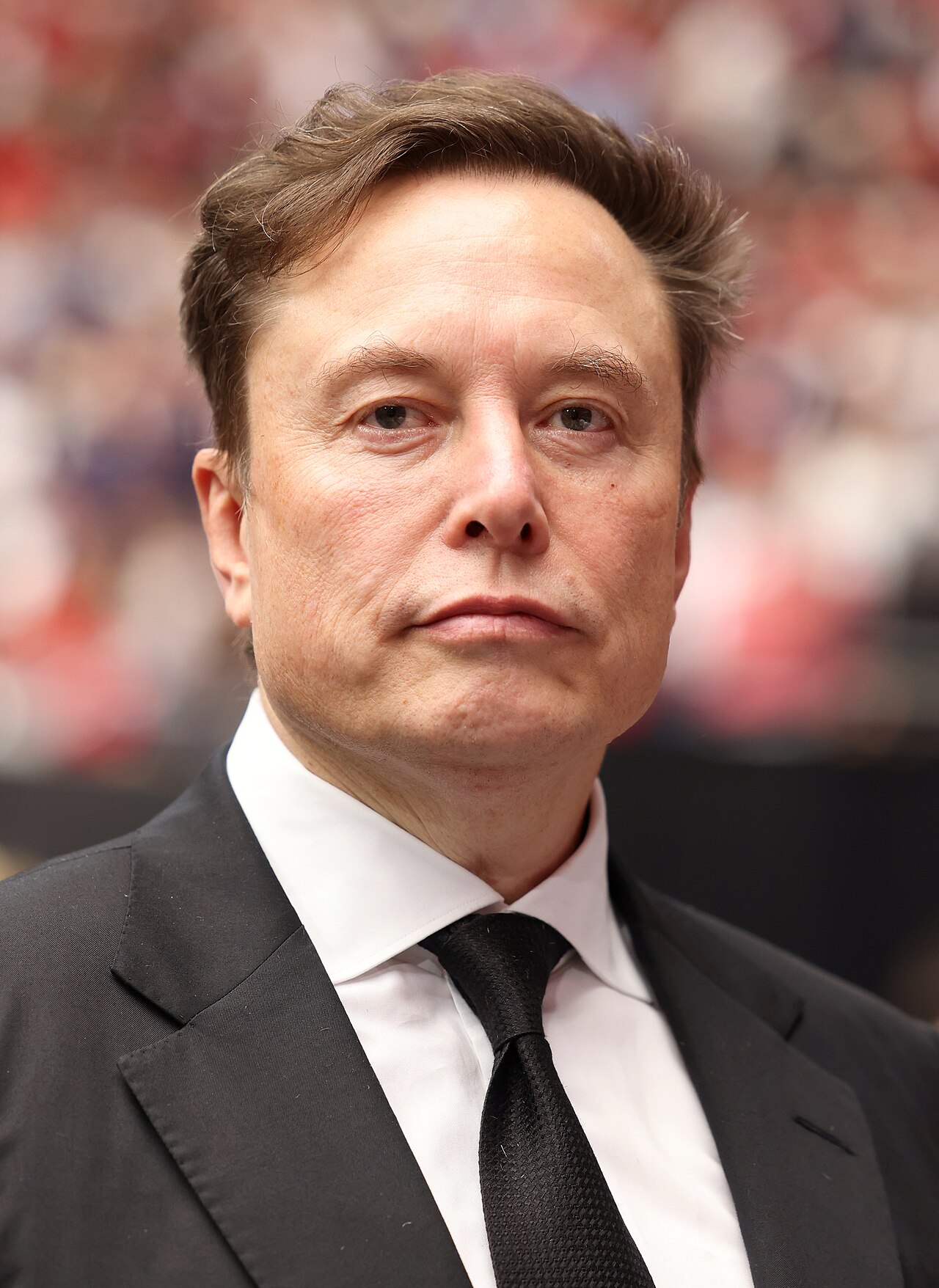
Elon Musk, the world’s richest man, spent close to half a billion dollars trying to help Republicans in Tuesday’s US midterm elections, only to watch the party lose both chambers of Congress and suffer shock defeats in states it has dominated for decades, including Texas.
Al Jazeera put Musk’s spending at about $446 million, while Democracy Now, citing The New York Times, reported a tally of about $474 million based on figures up to mid-October. RTÉ, citing the research group OpenSecrets, said the nearly $500 million made him the largest individual contributor in any federal election cycle since unlimited outside spending was allowed in 2010. Newsweek summed it up on social media: “Republicans had a night to forget on Tuesday, and so did their biggest donor.”
Where the money went
According to Al Jazeera and RTÉ, most of Musk’s money went to America PAC, the Republican-leaning political action committee he set up, with the rest going to the Senate Leadership Fund (SLF), the main Republican super PAC for Senate races.
His biggest single focus was Texas, where he has moved the headquarters of Tesla, SpaceX and X. The SLF used $158 million of Musk’s September donations to back Republican Attorney General Ken Paxton in the US Senate race, Al Jazeera and RTÉ reported. Fortune estimated Musk’s total Texas spending at around $200 million. Musk also gave $5 million to support Governor Greg Abbott’s re-election campaign, according to Al Jazeera.
The races he lost
Both of those Texas bets failed. Democrat James Talarico defeated Paxton, becoming the first Democrat to win statewide office in Texas since 1994. On the same night, Democrat Gina Hinojosa ousted Abbott as governor.
At his victory rally in Austin, Talarico said his campaign had taken on “the richest man in the world”, RTÉ reported. One issue in the race was data centres: Paxton campaigned to make Texas the centre of the US artificial intelligence industry through rapid data centre construction, while Talarico pushed for tighter rules on them.
Nationally, Democrats won control of both the House and the Senate, flipping Senate seats in states including Texas, Ohio, North Carolina and South Carolina, according to Fortune and earlier reporting.
Musk’s reaction
Musk responded to the results with humour. “Guess my election-interfering space lasers didn’t work this time,” he wrote on X, adding a shrug emoji, according to RTÉ and Al Jazeera. He later posted that data centres in space look appealing right now.
The effects: does big money still buy elections?
The outcome is likely to fuel debate in the US about the limits of money in politics. Charlie Hunt, a political scientist at Boise State University, told Fortune that Democratic candidates had raised more through direct donations, which he argued matters more than outside spending, and that money shows “diminishing returns” at very high levels. He also pointed to unusually high turnout and a big swing among Hispanic voters towards Democrats in states such as Texas and Florida.
Overall spending on the midterms reached nearly $12 billion, an all-time record, according to Federal Election Commission figures cited by Democracy Now.
For Musk, the defeat raises questions about his political influence. He became the world’s first trillionaire in June after SpaceX went public, Al Jazeera reported, and he has been a key ally of President Donald Trump, briefly leading the government cost-cutting effort known as DOGE. A Democratic-controlled Congress could now increase scrutiny of his companies, many of which hold large federal contracts, and push tougher rules on AI and data centres, which Musk has championed.
What happens next
Final spending figures will only become clear when campaign finance reports covering the last weeks of the race are filed with the Federal Election Commission. The new Congress will be sworn in in January 2027.
Sources: Al Jazeera, RTÉ, Fortune, Democracy Now (citing The New York Times), Newsweek.