

Nigeria’s Securities and Exchange Commission (SEC) has approved the plan for sharing out shares in the Dangote Petroleum Refinery’s initial public offering (IPO), removing one of the last regulatory hurdles before the refinery’s stock begins trading on the Nigerian Exchange (NGX). The approval was granted on Monday, November 23, according to Reuters, which cited three people familiar with the decision, and was also reported by BusinessDay and TheCable.
The decision ends nearly a week of waiting for investors, after the company’s own timetable had pencilled in November 17 as the date for the regulator’s clearance.
What the SEC approved
The SEC’s approval relates to the “basis of allotment” – the formula that decides how many shares each applicant actually receives. Because the offer was heavily oversubscribed, not every investor will get all the shares they applied for, and the allotment plan sets out how the available shares are divided between retail investors, institutions and other categories.
The refinery offered 4.1 billion ordinary shares at ₦525 each when the offer opened on September 14. Reuters reported that demand was about three times the size of the original offer. In response, the refinery sought permission to increase the size of the IPO by up to 30 per cent. TheCable put the value of the enlarged offer at about $2.1 billion. Reports so far have not made clear whether the plan approved on Monday includes the larger offer size.
A spokesperson for the Dangote Group declined to comment, and the SEC could not immediately be reached for comment, according to Reuters.
A “people’s IPO”
Aliko Dangote, Africa’s richest man, marketed the sale as a “people’s IPO”, saying he wanted ordinary Nigerians to share in the refinery’s success. Investors were able to buy as few as 10 shares – a minimum outlay of roughly $4 – through fintech apps and other digital investment platforms, which helped bring many first-time investors into the stock market.
The turnout did not fully match the company’s ambitions, however. TheCable recalled that on November 8, Mr Dangote said the offer had fallen short of its target of attracting 10 million investors, even though it was oversubscribed by value.
For a domestic market that has rarely seen a listing of this scale, the offer has been closely watched as a test of how much local savings can be mobilised for a single company. Analysts have also watched it for its likely effect on NGX market capitalisation once trading begins.
Background: the $20 billion refinery
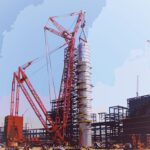
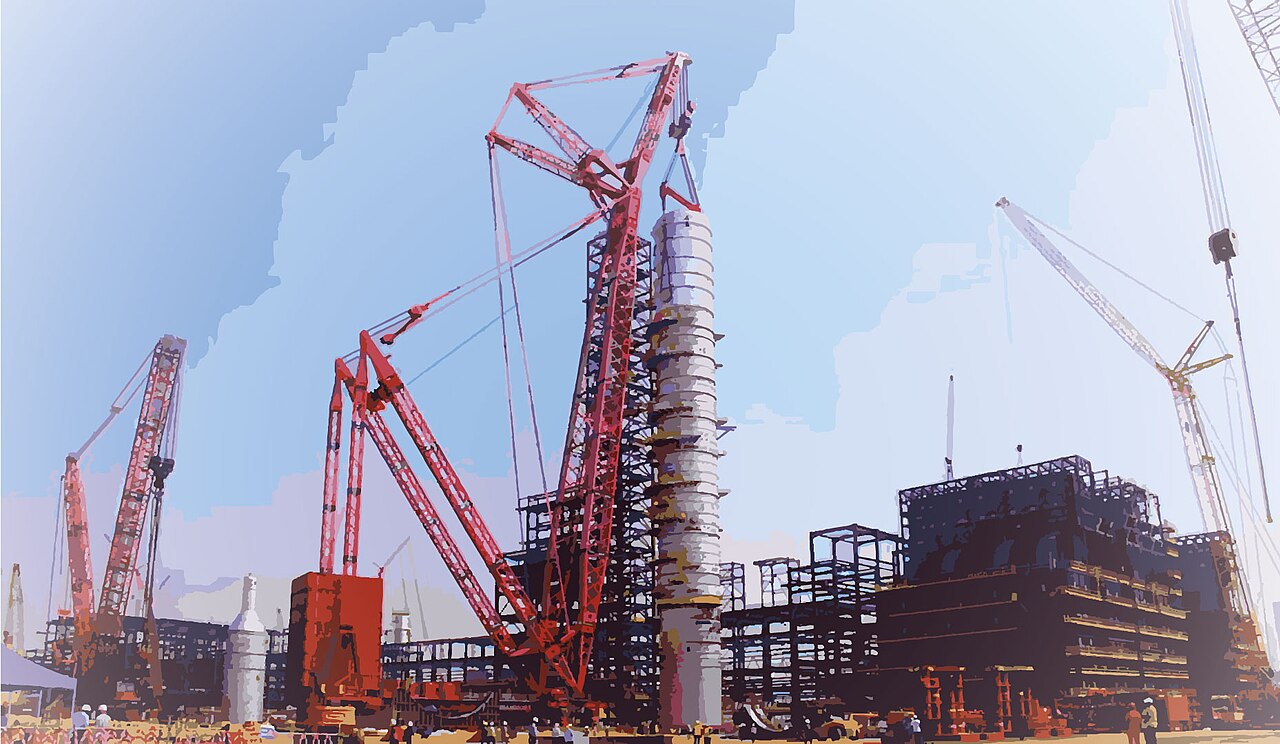
The refinery, built on the outskirts of Lagos in the Lekki Free Trade Zone at a cost of about $20 billion, started production in 2024. It processes about 700,000 barrels of crude oil a day and aims to raise that to 1.4 million barrels a day by 2029, according to Reuters.
The plant has reshaped Nigeria’s fuel market, cutting the country’s reliance on imported petrol and frequently setting the pace for pump prices through its gantry price changes. Reuters noted that it has also benefited from stronger demand for its products as a result of supply disruptions linked to the Iran war, including sales of jet fuel to Western European buyers.
Mr Dangote has also said the refining business could seek a secondary listing in the United States in three to four years’ time, once its expansion is further advanced.
What happens next
With the allotment cleared, the next steps are the publication of the allotment announcement, crediting of shares to successful investors’ accounts at the Central Securities Clearing System (CSCS), refunds for applicants who did not receive all the shares they paid for, and finally the listing on the NGX.
Reuters reported that the stock market debut is expected later this month. The company’s earlier timetable, however, had put listing about 15 business days after the allotment date, which would point to mid-December if that schedule is kept. No official listing date had been announced by Tuesday morning.
Investors who applied should watch for the formal allotment announcement from the issuing houses, check their CSCS accounts and confirm any refund details with the platform or stockbroker through which they applied. The SEC’s decision on the requested 30 per cent upsize will also determine how many extra shares are available to meet unfilled demand.
Sources: Reuters, BusinessDay, TheCable.