


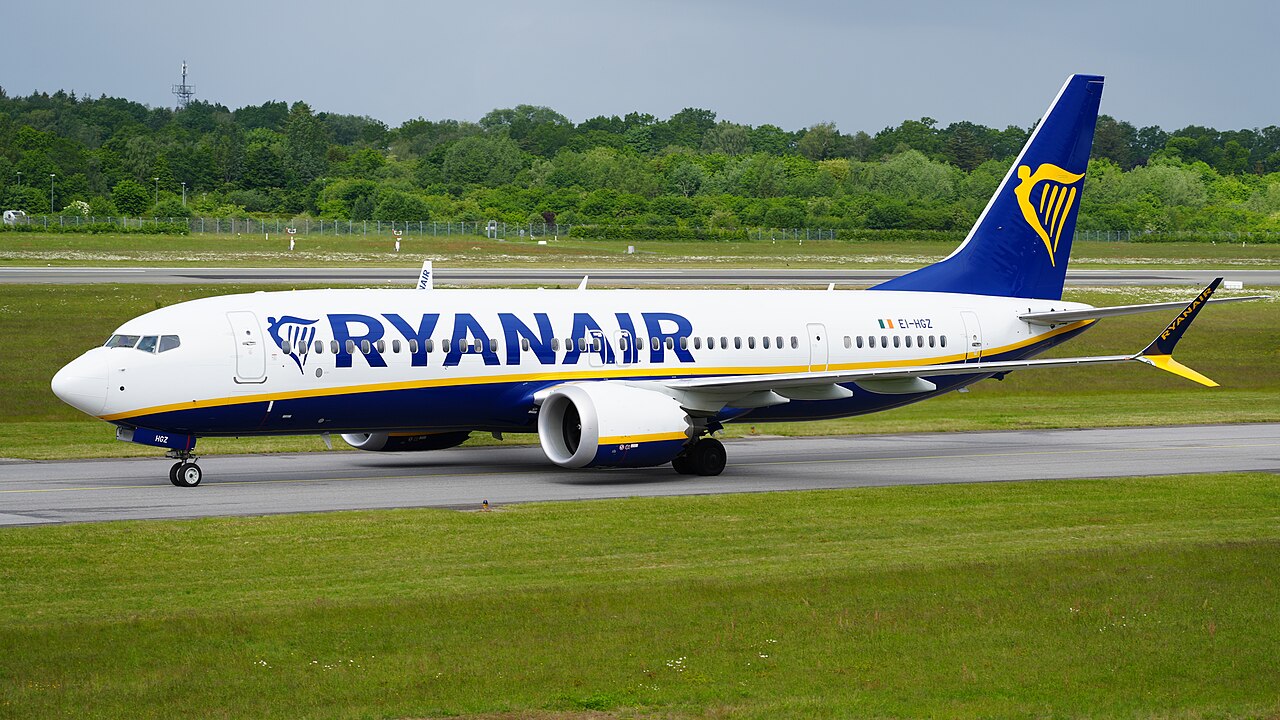
A new wave of bomb threats disrupted air travel across Europe on Thursday, November 5, forcing about a dozen passenger flights to divert, make emergency landings or land under military escort. It was the second time in a week that airlines on the continent have been targeted, and no explosives have been reported found on any of the aircraft.
Aerospace Global News said at least 12 aircraft were affected, while Al Jazeera’s correspondent in London put the number at about 12. Flights operated by Aer Lingus, Ryanair, LOT Polish Airlines, Wizz Air and Finnair were among those hit.
Fighter Jets Escort Diverted Planes
The most dramatic incident involved Aer Lingus flight EI402 from Dublin to Rome, which was diverted to the Évreux air base west of Paris under escort from French air force jets. The office of French Prime Minister Sébastien Lecornu said a bomb squad was waiting at the airfield, and all 151 passengers and six crew members were moved to safety.
In Italy, a Finnair flight from Helsinki to Rome was escorted by a fighter jet and checked by bomb disposal experts on arrival. A Wizz Air flight from Milan to Warsaw was re-routed to Vienna, with the airline saying the diversion followed established safety procedures, while LOT flight LO235 from Warsaw landed safely in Brussels. LOT said nothing suspicious was found on board.
Ryanair Flights Land in Bulgaria
Bulgaria was among the countries most affected. According to Euronews and Aerospace Global News, three Ryanair aircraft requested emergency landings. Flights from Copenhagen and Madrid landed in Sofia, while a third, from London Stansted, was diverted to Plovdiv, according to Bulgaria’s transport ministry. Bulgarian officials later said checks on the three planes found nothing.
Czech police said four aircraft heading to Prague also received threats. Pyrotechnic checks on all of them were negative, and the country’s anti-terrorism and cybercrime unit has taken over the investigation. In Romania, a Wizz Air flight from Milan landed in Bucharest, where the intelligence service set up a crisis cell at the airport.
Second Wave in Days
Thursday’s alerts followed a similar series earlier in the week. On Monday, a Wizz Air flight from London Luton to Sofia was diverted to Budapest and escorted by Hungarian fighter jets. On Tuesday, threats against at least seven flights caused diversions in Poland, Italy and Spain and briefly closed Warsaw Modlin airport. A cruise ship bound for Israel was also evacuated in Greece. All of Tuesday’s threats turned out to be hoaxes, and the UK government described them as malicious.
No one has claimed responsibility. Officials have not said who might be behind the threats or whether the two waves are linked. European governments have accused Russia and Iran of carrying out “hybrid attacks” in the past, but Al Jazeera noted there is no evidence connecting them to these threats. An aviation security analyst told Al Jazeera that causing disruption to air travel appears to be the aim.
Every threat sets off a long chain of action. Crews declare an emergency, air traffic controllers clear the way, military jets may be scrambled, and on landing the aircraft is moved to a remote stand where bomb disposal teams search the cabin, the hold and the luggage. Even when nothing is found, passengers can face hours of delay, and other flights are disrupted when runways or whole airports close during searches.
What Happens Next
Investigations are under way in several countries, including the Czech Republic, Poland and Romania. Airlines say they will keep following strict safety rules, which means treating every threat as real until proven otherwise, even when it is likely a hoax. That could mean more delays and diversions for passengers if the threats continue.
Travellers flying in or through Europe, including Nigerians connecting via European hubs, should check their flight status with their airline before heading to the airport.
Sources: Al Jazeera, Euronews, Aerospace Global News, ABC News.