

Nigeria’s High Commissioner to South Africa, Femi Fani-Kayode, has called for urgent action over the unresolved deaths of Nigerians in the country, alleged misconduct by some South African security officers and what he described as recurring anti-Nigerian sentiment. His statement, issued on Monday, November 23, 2026, comes only a week after South Africa’s foreign ministry summoned him over his public criticism of the South African Presidency.
What Fani-Kayode said
According to Vanguard and Punch, the envoy said Nigeria remains committed to stronger diplomatic and economic ties with South Africa, but will not stay silent on issues that threaten the safety, dignity and rights of its citizens. He said he would be failing in his duty as ambassador if he did not raise concerns about how Nigerians are treated in the country.
Fani-Kayode also criticised efforts to portray Nigerians in South Africa as criminals. He said thousands of Nigerians there are law-abiding professionals, including doctors, lawyers, academics and entrepreneurs, and urged Nigerian investors to keep and expand their businesses while supporting compatriots in difficulty.
He stressed that relations between Africa’s two largest economies matter for the whole continent, saying the future of Africa is closely tied to the relationship between Nigeria and South Africa
.
How many Nigerians have died?
Reports by Vanguard, The Telegraph and ThePoint say at least 12 Nigerians have died in South Africa in 2026 in incidents linked to anti-migrant protests, alleged police brutality and attacks blamed on Afrophobia. Other accounts of the envoy’s remarks give a lower figure for confirmed killings this year, so the exact total remains unclear. South African authorities have not published a breakdown, and many of the cases are said to be unresolved.
In earlier statements, Fani-Kayode has claimed that more than 100 Nigerians were killed in South Africa between 2022 and 2026, including some allegedly killed by police and soldiers. Those figures have not been independently verified.
A rocky start to his posting
Fani-Kayode, a former aviation minister, was redeployed by President Bola Tinubu from Germany to South Africa in May at his own request. He formally began work on October 30 and is Nigeria’s first substantive envoy to Pretoria in four years, according to South Africa’s TimesLive.
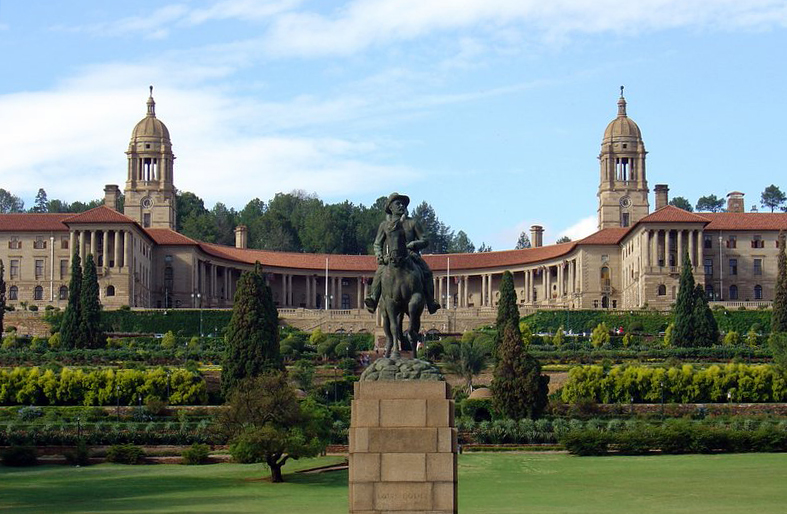
His tenure quickly ran into controversy. After presenting his letters of credence to President Cyril Ramaphosa on November 13, he accused the Presidency of cutting his speech from the official livestream of the ceremony. Ramaphosa’s spokesperson, Vincent Magwenya, rejected the claim and publicly rebuked him for airing the complaint on social media rather than through diplomatic channels.
On November 17, the Director-General of South Africa’s Department of International Relations and Cooperation (DIRCO), Zane Dangor, met Fani-Kayode to raise concerns about his conduct after the ceremony and his posts online. AllAfrica noted that this was a formal diplomatic protest and not an expulsion; South Africa has not withdrawn its acceptance of the Nigerian envoy. Nigeria’s High Commission defended him and called for restraint and respect on both sides.
Background: tension over migrants
Relations between the two countries have been strained this year by anti-immigrant protests and xenophobic violence in South Africa, in which Nigerians and other African nationals have been attacked, threatened or displaced. Some Nigerian commentators have backed Fani-Kayode’s outspoken approach, arguing that years of quiet diplomacy failed to protect citizens. Critics in South Africa, however, say his public style risks damaging ties.
What happens next
Daily Trust reported that the two governments have opened talks aimed at easing the row around the envoy. Fani-Kayode said strengthening Nigeria–South Africa relations, promoting trade and protecting Nigerians abroad will remain central to his mission.
Whether Pretoria responds to his call for investigations into the unresolved deaths, and whether the diplomatic temperature cools, will be closely watched by the large Nigerian community in South Africa.
Sources: Vanguard (via AllAfrica), Punch, The Telegraph, ThePoint, TimesLive, Sahara Reporters, Daily Trust.