

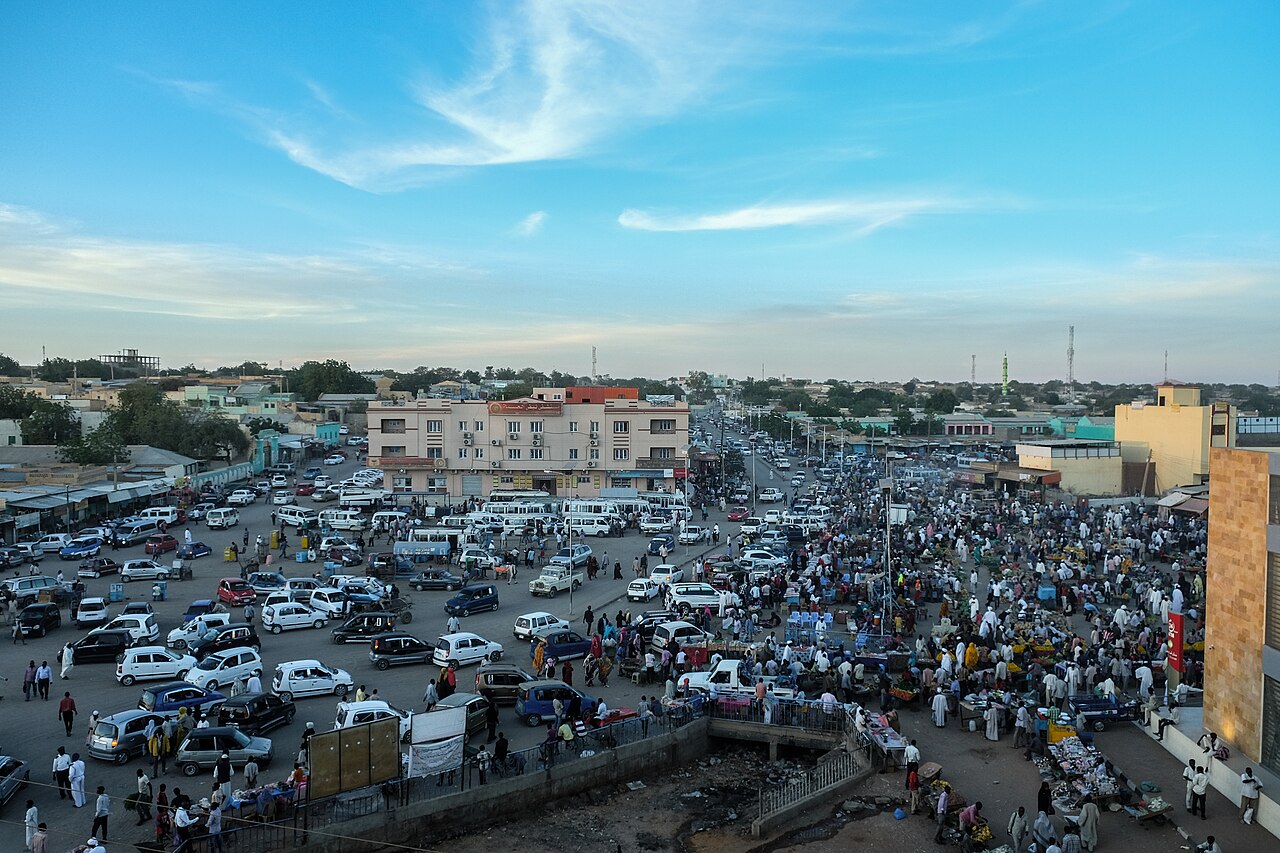
A year after Sudan’s paramilitary Rapid Support Forces (RSF) captured El Fasher, the capital of North Darfur, the city remains largely deserted. Residents who stayed or returned describe constant fear, according to reports from Radio France Internationale (RFI), Amnesty International and other outlets marking the anniversary.
The RSF took full control of El Fasher on October 26, 2025, after a siege that lasted about 500 days. It was the Sudanese army’s last major stronghold in Darfur. The fall of the city was followed by mass killings that shocked the world, and its effects are still being felt.
A city emptied
Before the war, El Fasher was home to at least 300,000 people, and many more displaced people had sheltered there during the siege. Today only a fraction remain. The New Arab, citing Amnesty International, reported that fewer than 70,000 people are left. The aid group Solidarités International estimates that between 40,000 and 60,000 people have returned or move in and out of the city regularly.
When humanitarian teams first entered El Fasher in January this year, they described it as “a ghost town, with few civilians remaining,” RFI reported. Aid workers say the trauma of the siege means most families do not feel ready to go back.
The International Organization for Migration says nearly 100,000 people fled the city when it fell. Many crossed into neighbouring areas or travelled towards Chad.
The toll of the takeover
The United Nations estimates that about 6,000 people were killed during and after the RSF assault. Researchers who studied satellite images believe the real number could be in the tens of thousands. Thousands of people are still missing. Some are believed to have died while fleeing, while others were captured.
UN officials have said the killings carried “hallmarks of genocide”. Non-Arab communities, including the Zaghawa, Fur and Masalit, were among those most affected, according to rights groups.
Detention, torture and ransom
An Amnesty International report released last month, based on interviews with 25 civilians, documented unlawful killings, arbitrary detention and torture in the city. Seventeen of the 19 residents Amnesty spoke to said they had been detained.
Men were held in prisons and detention centres. Women and children were held in schools turned into makeshift detention sites, where malnutrition was high. Families reported paying ransoms of up to $10,000 to secure the release of relatives. Amnesty researcher Laura Mills told reporters that people “didn’t feel safe” and that only a small part of the population had returned.
Rights groups also estimate that between 13,000 and 19,500 people were held earlier this year at Dagris prison near Nyala, which has an official capacity of 4,500, RFI reported. The Sudan Doctors Network believes dozens of medical workers are among the detainees. Journalists have also been detained.
Some returnees told RFI that newcomers were being given homes and documents belonging to residents who fled. These claims have not been independently verified.
Hunger and disease
Humanitarian assessments warn that El Fasher and much of North Darfur are at risk of famine (IPC Phase 5, the most severe level) in the coming months. Cholera and dengue are spreading, and aid workers say death rates have risen sharply.
Aid agencies are working in the city, but their movements are restricted and closely monitored by the RSF, according to Amnesty.
What happens next
Darfur is now almost entirely under RSF control. The group’s Tasis coalition, which runs a rival administration from Nyala, has urged displaced residents to return. The main fighting has moved to the Kordofan region, and the UN has warned that what happened in El Fasher could happen again there.
Efforts to end the war, now in its fourth year, have stalled. Army chief General Abdel Fattah al-Burhan rejected talks with the RSF earlier in October. Rights groups are calling for a ceasefire, a stronger arms embargo and protection for civilians.
For Africa, Sudan’s war remains one of the world’s largest humanitarian crises, with millions displaced inside the country and across its borders.
Sources: RFI, Amnesty International, The New Arab, The Africa Report, Arab News, United Nations, International Organization for Migration.