

President Bola Tinubu has said Nigeria will move away from exporting unprocessed solid minerals and instead push investors to process them at home, as his Minister of Solid Minerals Development, Dele Alake, announced that revenue from the sector has crossed ₦100 billion in 2026. They spoke on Thursday at the opening of the Nigeria NOW! Investing in Energy, Infrastructure and Mining Summit in Abuja, a two-day event that ends today, 20 November.
Tinubu, who was represented at the event by the Secretary to the Government of the Federation, George Akume, according to the News Agency of Nigeria (NAN) and Peoples Gazette, also told ministries and agencies to clear the bureaucratic hurdles that stop investment pledges from turning into actual projects.
“Move beyond” raw mineral exports
According to Vanguard, the President said the mining sector needs better geological data, transparent licensing, responsible exploration and more investment in beneficiation, the processing of ore into higher-value products. The goal, he said, is integrated value chains in which Nigerian businesses take part and local skills grow, with clear benefits for host communities.
He invited foreign investors to bring technology and finance, while promising that government would strengthen regulatory certainty. Opportunities, he argued, must be turned into “bankable projects” rather than remaining prospects on paper.
The speech did not announce a formal ban or a date for ending raw mineral exports. Alake made the same point in softer terms, telling investors, according to Voice of Nigeria, that the government is not stopping them from exporting but wants them to process locally to add value.
Revenue claims: from ₦6bn to over ₦100bn
Alake said the sector earned only about ₦6 billion a year when he took office in August 2023. He told the summit that revenue rose to ₦38 billion in 2024 and ₦70 billion in 2025, and that the Central Bank of Nigeria had informed the ministry about a week ago that collections had passed ₦100 billion this year. Vanguard and Freedom Online both reported the figures.
The minister credited the rise to the government’s local value-addition policy, the digitisation of mining licences through the electronic cadastre, a review of dormant and non-compliant licences, and a clean-up of operations. Figures for the earlier baseline have varied in past statements: some government sources have put 2023 revenue at about ₦16 billion rather than ₦6 billion, so the size of the increase depends on which starting figure is used.
Mining Marshals under pressure
Alake also defended the Mining Marshals, the security unit set up to fight illegal mining. He said the unit had arrested more than 300 suspected illegal operators and recovered over 100 mining sites, which were handed back to their legitimate owners, according to Vanguard and Freedom Online.
He alleged that some of the operators targeted by the marshals were sponsoring efforts to have the unit scrapped. He did not name those behind the alleged campaign.
The minister also defended the removal of the petrol subsidy, arguing that the savings have funded infrastructure across the six geopolitical zones and criticising calls for its return, Vanguard reported.
Other ministers: blue economy revenue
The Minister of Marine and Blue Economy, Gboyega Oyetola, told the same gathering that revenue from agencies under his ministry grew from ₦700.79 billion in 2023 to ₦1.83 trillion in 2025. He listed better maritime security, port reforms and the approval of Nigeria’s first National Policy on Marine and Blue Economy as key changes, and urged investors to look at ports, shipping, shipbuilding, fisheries and logistics.
Voice of Nigeria reported that the summit, held at the Transcorp Hilton in Abuja and organised by EnergyNet under the patronage of the solid minerals ministry, drew more than 300 investors, developers, financiers and officials.
Why it matters and what comes next
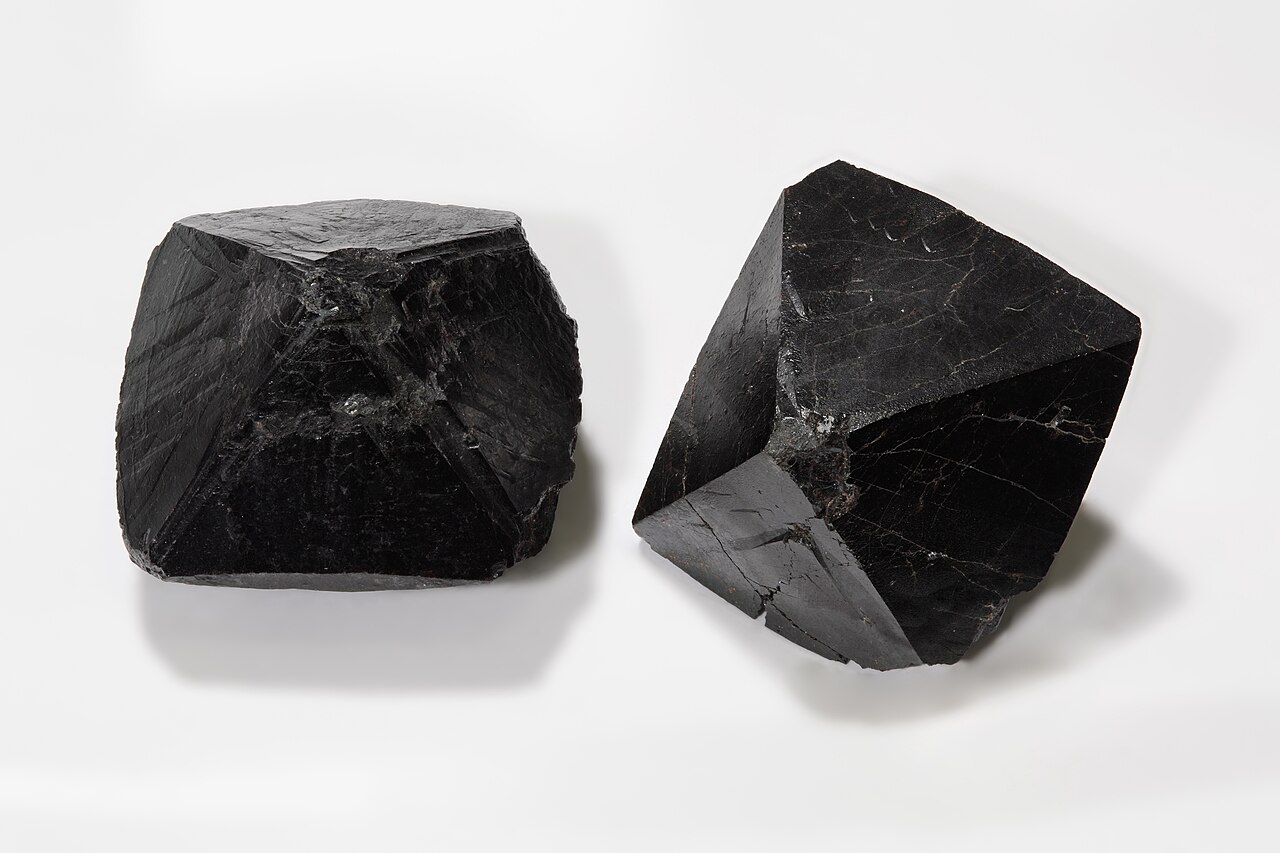
Nigeria has deposits of more than 40 minerals, including tin, gold, lithium, iron ore and limestone, but mining still contributes only a small share of national output. Much of the ore, especially from artisanal and illegal mines, leaves the country unprocessed, and the Extractive Industries Transparency Initiative has repeatedly said the sector’s contribution falls far short of its potential.
The real test of the summit, as Tinubu himself said, will be the number of deals signed and projects actually built. Investors will be watching for any detailed rules or timelines on restricting raw mineral exports, and for whether the Mining Marshals survive the pressure Alake described. The summit closes today in Abuja.
Sources: Vanguard, News Agency of Nigeria, Peoples Gazette, Voice of Nigeria, Freedom Online, Leadership.