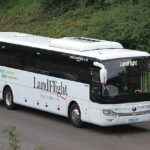


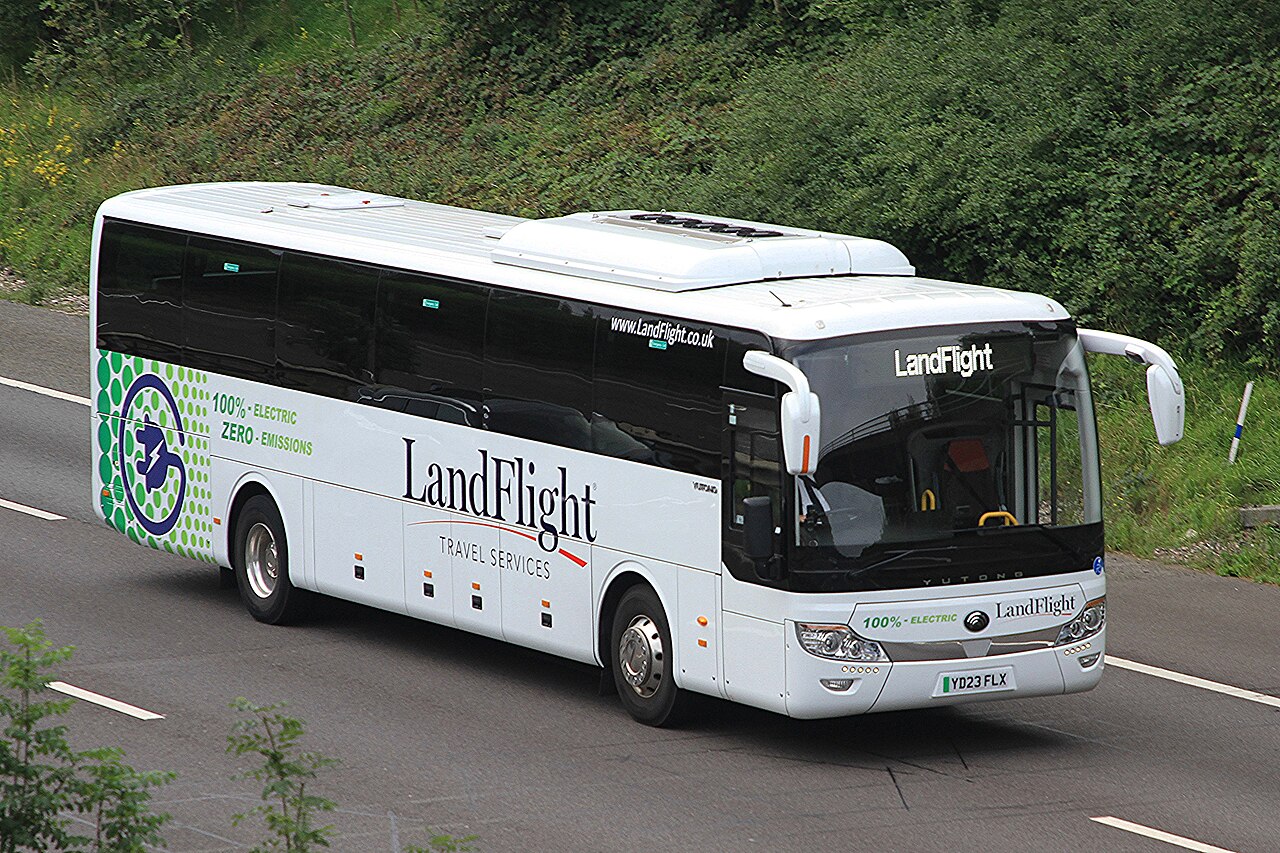
Chinese bus manufacturer Yutong is to supply 300 buses powered by compressed natural gas (CNG) to Nigeria and set up local assembly in Ibadan, under a deal the Federal Government says is aimed at cutting transport fares by roughly 40 per cent on participating routes. President Bola Tinubu announced the partnership on Thursday, 19 November 2026, in a statement released ahead of the agreement’s signing in Lagos the same day.
The announcement comes as many Nigerians continue to spend a large share of their income on getting to work, school and markets, and as the government faces pressure, including from opposition figures, to bring back the petrol subsidy it scrapped in 2023.
What the Yutong agreement covers
According to the presidential statement, published by WorldStage, the deal is with the Presidential Initiative on Compressed Natural Gas and Electric Vehicles (Pi-CNG & EV). Yutong will deliver an initial 300 CNG-powered buses, and the first 100 are expected to arrive in Lagos by the end of December 2026.
The remaining buses will be put together in Nigeria by YP Automobiles Bus Assembly at the former Leyland automotive plant in Ibadan, Oyo State. Daily Times reported the same arrangement, adding that the government expects the local assembly line to create jobs for Nigerian engineers, technicians and other workers.
Yutong describes itself as the world’s largest bus maker. The statement said the company sold 49,518 buses worldwide in 2025 and already supports local assembly and public-transport projects in several countries.
The 40% fare-reduction target
The buses will be used under the National Affordable CNG Transit Programme (NACTP), which the government runs with state governments. The programme targets fare cuts of about 40 per cent on participating routes and forms part of the President’s agenda for a possible second term, from 2027 to 2031.
Tinubu said the lower running costs of gas-powered vehicles must show up in what passengers pay. In remarks reported by Daily Times, he acknowledged the burden of transport costs on families, saying it was a burden he was “determined to ease”.
He pointed to routes where CNG buses are already in service. According to Daily Times, he said fares on the Enugu–Nsukka route had fallen from as much as ₦4,000 to about ₦1,600 on participating buses, and that buses deployed to Pacesetter Transport in Oyo State had cut the Lagos–Ibadan fare from about ₦8,000 to ₦3,200 during the initial rollout. He also cited ₦50 bus fares in Borno State and free CNG bus rides in Kaduna. These figures come from the government and have not been independently verified.
Refuelling stations and the subsidy debate
One of the main obstacles to wider CNG use in Nigeria has been the shortage of refuelling points. The statement said the government is expanding this network through Pi-CNG & EV, the Midstream and Downstream Gas Infrastructure Fund (MDGIF) and private investors, including mobile refuelling units. It also referred to a presidential directive for 2,000 additional CNG refuelling units across the country.
Tinubu also used the occasion to restate that the old petrol subsidy will not return, Daily Times reported. The government argues that cheaper gas-powered transport, rather than subsidised petrol, is the way to ease commuting costs. Petrol pump prices currently range roughly between ₦1,300 and ₦1,420 per litre in different parts of the country, according to recent market reports, even after Dangote Refinery cut its gantry price this week.
Background: Nigeria’s CNG push
The Presidential CNG Initiative was launched in 2023, shortly after the removal of the fuel subsidy sent transport costs soaring. It has focused on converting petrol vehicles to run on gas, rolling out CNG buses through states and transport companies, and building refuelling stations. Nigeria holds some of the largest gas reserves in Africa, and the government has long argued that the country should use more of its own gas at home.
Progress has been uneven. Operators and motorists have complained about long queues at the limited number of CNG stations, and the conversion of private cars has been slower than planned. Reviving the old Leyland plant in Ibadan, which has been idle for years, would also be a test of whether local vehicle assembly can be made to work at scale.
What happens next
The first test will be whether the initial 100 buses arrive in Lagos on schedule by the end of December, and which states and routes receive them. Commuters will also be watching whether the promised 40 per cent fare cuts appear on the new routes, and how quickly refuelling stations spread beyond the major cities. No date has yet been announced for the start of assembly in Ibadan.
Sources: WorldStage (State House statement), Daily Times, Leadership, PM News.