


Published: July 21, 2026
Tropical Storm Bertha Strengthens as Gulf Coast Braces for Flooding and Dangerous Storm Surge
Tropical Storm Bertha Gains Strength in the Gulf of Mexico
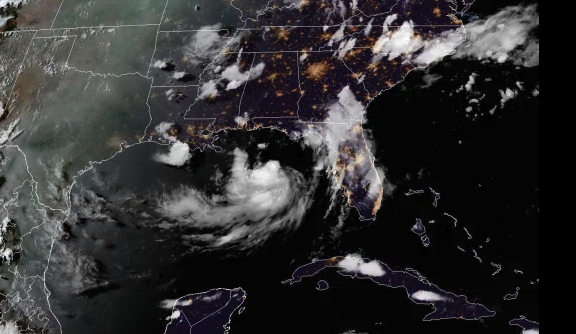
Millions of residents along the U.S. Gulf Coast are under increasing weather alerts as Tropical Storm Bertha continues to strengthen over the Gulf of Mexico, threatening parts of Florida, Alabama, Mississippi, and Louisiana with heavy rain, coastal flooding, dangerous storm surge, and damaging winds.
The U.S. National Hurricane Center (NHC) says Bertha is moving slowly northward with sustained winds of around 50 mph (80 km/h). Forecasters expect the system to strengthen slightly before making landfall along the northern Gulf Coast within the next 24 to 48 hours.
Storm Surge and Flooding Pose Greatest Threat
Emergency officials warn that storm surge remains one of the biggest concerns, particularly in low-lying coastal communities.
Storm surge of up to four feet is possible along portions of the Louisiana, Mississippi, Alabama, and Florida coastlines. Combined with heavy rainfall, the storm could trigger flash flooding, especially in urban areas and locations with poor drainage.
Meteorologists forecast widespread rainfall totals of 3 to 5 inches, with isolated communities receiving significantly higher amounts. Saturated ground conditions could worsen flooding in vulnerable areas.
Tropical Storm Warnings Issued
The National Hurricane Center has issued Tropical Storm Warnings stretching from parts of the Florida Panhandle westward toward southeastern Louisiana.
Residents have been urged to:
- Secure outdoor property.
- Prepare emergency kits.
- Avoid unnecessary travel.
- Closely monitor official weather updates.
- Follow evacuation orders where issued.
Several local governments have opened emergency operations centers while public works crews continue clearing drainage systems and distributing sandbags to flood-prone neighborhoods.
Risk of Tornadoes and Dangerous Surf
In addition to flooding, forecasters warn that Bertha could produce isolated tornadoes, particularly across Florida’s Big Bend region and parts of southern Alabama.
Powerful winds are also expected to create dangerous surf and life-threatening rip currents along Gulf Coast beaches. Authorities are advising residents and tourists to stay out of the water until conditions improve.
Airlines and Residents Prepare
Airlines are monitoring the storm’s path, and travelers have been advised to check with carriers before heading to airports. Emergency management agencies are coordinating with utility companies and first responders in anticipation of possible power outages and road closures.
Residents in coastal communities have begun boarding up homes, stocking emergency supplies, and preparing for possible flooding as Bertha approaches land.
What Happens Next?
Forecasters expect Bertha to move inland later this week, gradually weakening after landfall. However, its slow movement means heavy rainfall may continue well after the center crosses the coast, prolonging the risk of flash flooding across parts of the Gulf Coast.
The National Hurricane Center is expected to issue additional advisories throughout the day as new forecast data becomes available.
Why This Story Matters
Tropical Storm Bertha is the second named storm of the 2026 Atlantic hurricane season and serves as an early reminder of the risks facing Gulf Coast communities during hurricane season. Emergency officials stress that residents should remain vigilant and rely on official forecasts as the storm approaches.
Sources
- Associated Press (AP)
- National Hurricane Center
- Axios
- The Guardian
Source Articles:
- AP News: Tropical Storm Bertha strengthens toward the Gulf Coast.
- The Guardian: Bertha heads toward landfall.
- Axios: Gulf Coast storm preparations.