


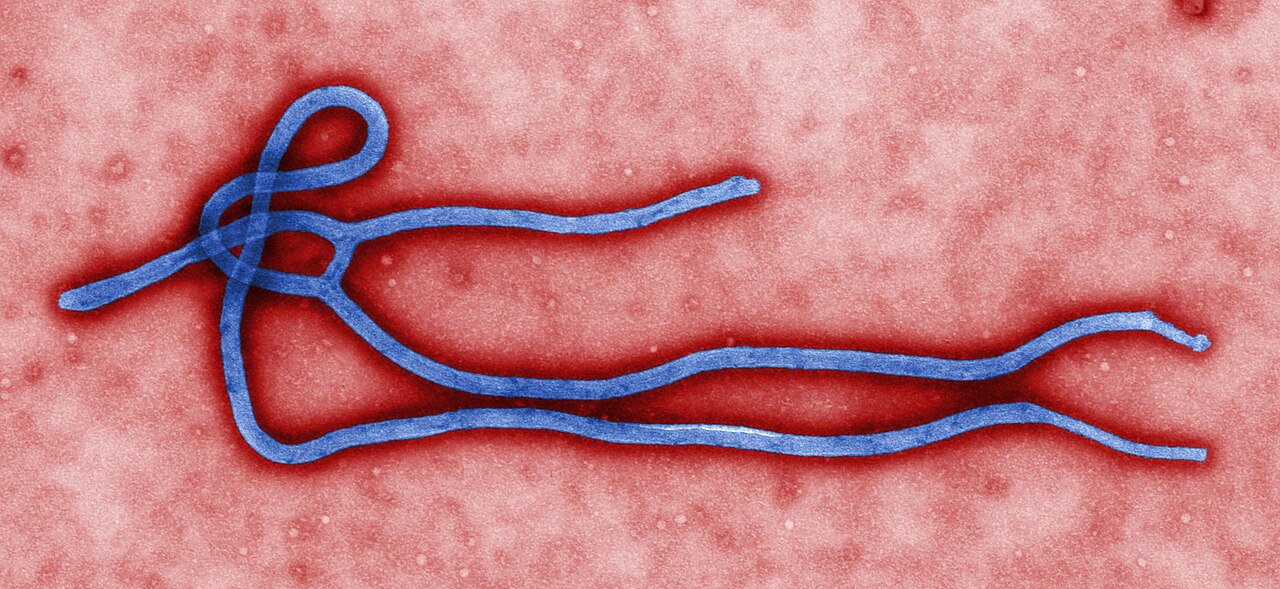
Nigeria has confirmed a case of Ebola virus disease in the Federal Capital Territory, Abuja, raising fears that the deadly outbreak in Central and East Africa has reached West Africa’s most populous country.
The Nigeria Centre for Disease Control and Prevention (NCDC) announced the case on Tuesday, October 21, 2026. It is the first Ebola case recorded in Nigeria since the current outbreak in the Democratic Republic of Congo began, and the first in the country since 2014.
What we know about the patient
According to the NCDC, the patient is a woman who travelled from Uganda to Abuja on October 3. International news agency reports describe her as a diplomat, although her nationality has not been disclosed. She is being treated in isolation, and officials said her condition had deteriorated to “multi-organ failure”.
The NCDC’s Olajumoke Babatunde said three separate molecular tests were carried out, and all of them identified the Bundibugyo strain of the virus, the same strain responsible for the major outbreak in DR Congo. The World Health Organization has also confirmed the result. There is currently no approved vaccine or specific treatment for this strain.
44 contacts identified
The Minister of Health and Social Welfare, Professor Muhammad Ali Pate, said 44 close contacts of the patient have been identified, and tracing and monitoring are under way. Health authorities are also working to find anyone else who may have been exposed.
The WHO said infection prevention and control measures were being stepped up at the private hospital where the patient first sought care. Questions have been raised on social media about how long the patient went undetected after arriving in the country, but officials have urged the public to rely only on verified information.
How Ebola spreads and the symptoms to watch for
Ebola is not spread through the air like the flu. The NCDC says it spreads through direct contact with the blood or body fluids of a person who is sick with, or has died from, the disease, and through materials contaminated with those fluids, such as bedding, clothing or needles.
Common early symptoms include:
- Sudden fever
- Severe headache, muscle pain and weakness
- Sore throat
- Vomiting and diarrhoea
- Unexplained bleeding or bruising in later stages
Anyone who develops these symptoms after travelling to an affected area, or after contact with a suspected case, should avoid self-medication and call for help immediately.
NCDC opens 6232 emergency hotline
The NCDC has activated a 24-hour toll-free emergency line, 6232, for reporting suspected cases. “Early reporting saves lives,” the agency said, urging Nigerians to stay calm and follow official guidance.
Basic precautions include regular hand-washing with soap and water, avoiding contact with the body fluids of sick people, and following safe burial practices for anyone suspected to have died of the disease.
Regional outbreak raises the stakes
Nigeria is now the fourth African country affected by the current outbreak. DR Congo has recorded more than 9,000 confirmed cases and 4,381 deaths since mid-May, making it the deadliest Ebola outbreak in that country’s history. Kenya has reported nine cases since October 6.
Africa CDC Director-General Jean Kaseya has warned of an “extremely serious threat”, with fatality rates in DR Congo nearing 50 per cent. The agency has called a high-level meeting of African health ministers.
Nigeria had been preparing for this possibility. After Kenya confirmed an imported case earlier this month, the NCDC raised its alert level, held a national simulation exercise and issued updated guidance for travellers and health workers.
Lessons from 2014
Many Nigerians will remember the 2014 outbreak, when the virus was brought into Lagos by a traveller. Thanks to rapid contact tracing and the sacrifice of health workers such as the late Dr Ameyo Adadevoh, Nigeria contained that outbreak within weeks, with 19 infections and seven deaths. Health experts say the same speed and public co-operation will be needed again.
Flashinfong will continue to update readers as the NCDC releases new information.