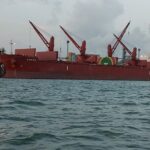


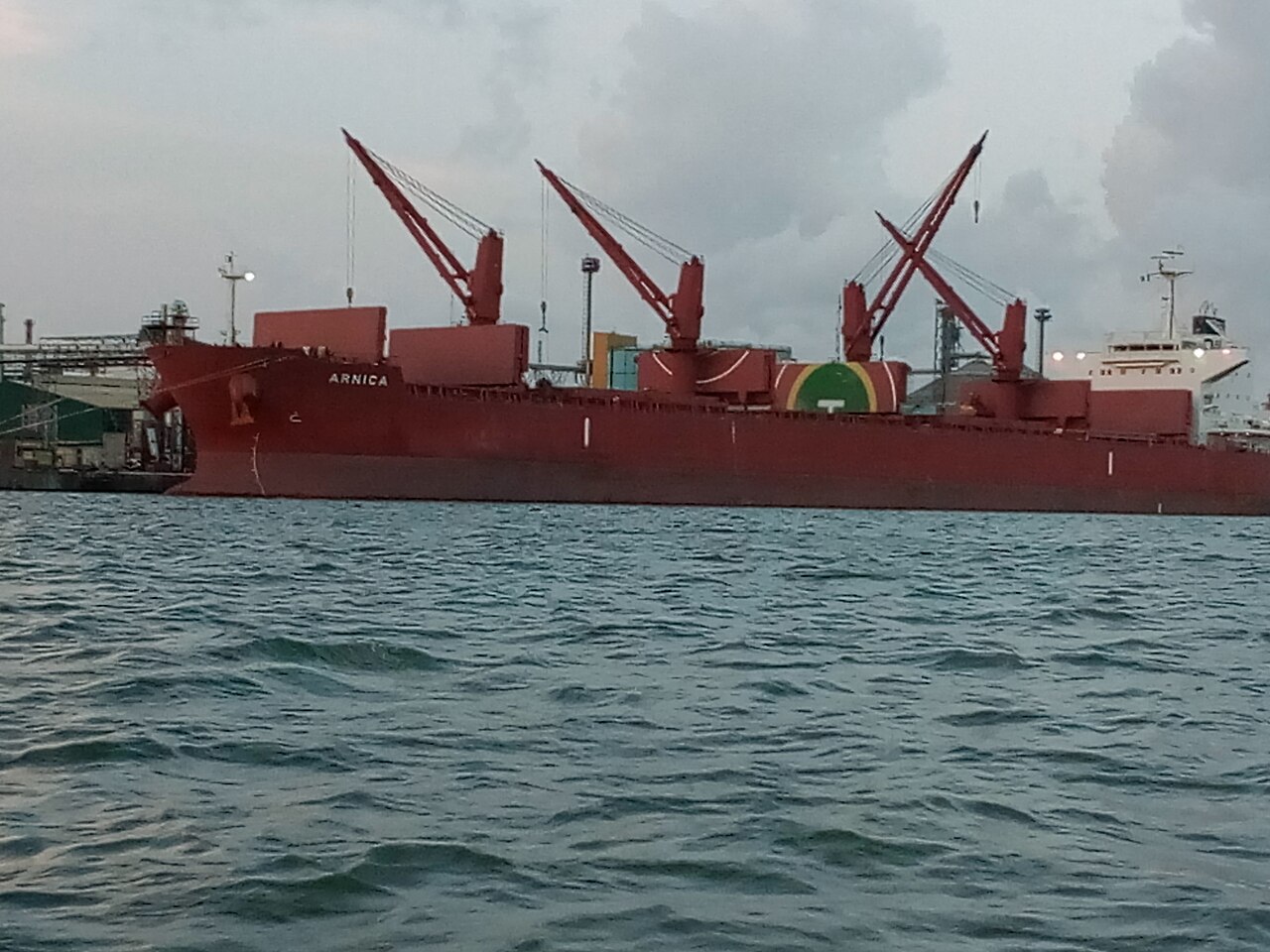
The Federal Government on Wednesday formally began the long-delayed modernisation of Lagos’s two main seaports, the Lagos Port Complex at Apapa and the Tin-Can Island Port Complex. The Minister of Marine and Blue Economy, Adegboyega Oyetola, was scheduled to perform the groundbreaking and turn the soil at both sites, according to a statement issued last week by his Special Adviser, Bolaji Akinola, and reported by Channels Television, The Guardian and BusinessDay.
Officials describe the project as the first upgrade of the two ports on this scale in about five decades. It comes eight months after Nigeria and the United Kingdom signed a £746 million export finance agreement to pay for the work, and after months of criticism that physical construction had not started.
Why Apapa and Tin-Can matter
The two ports sit side by side in Apapa, west of Lagos Island, and remain the busiest in the country. According to the ministry, they jointly handle more than 70 per cent of Nigeria’s non-oil export cargo, which makes their efficiency central to the government’s push to earn more foreign exchange outside crude oil.
The Lagos Port Complex is Nigeria’s oldest and largest port. Tin-Can Island Port was built in a hurry in the mid-1970s to relieve congestion at Apapa during the oil boom and the infamous “cement armada” crisis, and was commissioned in 1977. Much of the quay infrastructure at both facilities dates from that era.
Port users have complained for years about crumbling quay walls, poor access roads, long queues of trucks and slow cargo clearance. BusinessDay reported that vessel turnaround time at Apapa rose from 5.9 days to 6.1 days in the first half of 2026, citing Nigerian Ports Authority (NPA) figures, compared with an average of three to four days at Ghana’s Tema Port. At Tin-Can, vessel calls fell 3.4 per cent to 488 in the same period, while turnaround time rose from 4.4 to 5.1 days.
What the project will cover
The reconstruction is estimated at roughly N1.3 trillion. Reports on the plan say it will include rebuilding quay walls and berths, new terminal pavements, and marine works needed to accommodate modern ship-to-shore gantry cranes. The ministry says the aim is to raise cargo-handling capacity, cut vessel turnaround and cargo dwell times, tighten port security and improve access to the facilities.
The financing rests on the £746 million facility agreed with the UK in March 2026 under its export finance programme. The NPA has previously estimated that Nigeria loses more than N1 trillion a year because of outdated port infrastructure and limited automation.
Mr Oyetola has also stressed that the government does not want trade to remain concentrated in Lagos. “We cannot afford to concentrate the nation’s maritime activities around Lagos alone,” he said in the statement. The government says it has approved upgrades for ports in Warri, Onne, Calabar and Port Harcourt as well, and earlier this month broke ground on the planned Bakassi Deep Seaport in Cross River State.
A project that took time to start
The groundbreaking follows a period of delay. The Nigerian Ports Authority’s managing director, Abubakar Dantsoho, said in 2025 that President Bola Tinubu had approved a wider reconstruction programme for the country’s main ports, with a 48-month delivery target. But by mid-November 2026, eight months after the UK deal was signed, no physical work had begun at Apapa or Tin-Can, BusinessDay reported. The ministry announced the November 25 date shortly after that report.
For shippers and importers, the main question is how the work will affect operations at two ports that cannot simply be closed. Officials have not yet published a detailed phasing plan showing which berths will be taken out of use and when.
What happens next
With the soil turned, attention will move to the contractors’ timelines and how quickly the money is released. Industry groups are likely to press for clear schedules to avoid congestion during construction, especially at Apapa, where truck gridlock on access roads has been a recurring problem.
The government will also be watched on whether the upgrade is matched by faster customs processes and better road and rail links, since port users argue that new berths alone will not cut clearance times. The pace of work on the other ports named in the national plan will show whether the promise to spread maritime activity beyond Lagos is being kept.
Sources: Channels Television, BusinessDay, The Guardian, Legit.ng, The Telegraph (Nigeria).