


Millions of Nigerians live and work abroad, in the United States, the United Kingdom, Canada, Europe, the Gulf and across Africa. Staying connected to home means dealing with banks, passports, family support, investments and paperwork from thousands of miles away. Some of these processes have become much easier in the past year; others remain risky if you are not careful.
Here are 10 practical tips every Nigerian in the diaspora should know in 2026.
1. Get your Non-Resident BVN without flying home
For years, Nigerians abroad who wanted a Bank Verification Number (BVN) had to enrol in person in Nigeria or at a limited number of centres abroad. The Central Bank of Nigeria (CBN) and the Nigeria Inter-Bank Settlement System (NIBSS) now offer a Non-Resident BVN (NRBVN) that can be obtained remotely.
According to the CBN, the processing charge is about $50, down from the $200 previously paid by diaspora applicants. The bank describes it as a cost for remote biometric and due diligence checks, not a payment for the BVN itself. A BVN makes it easier to open and operate Nigerian bank accounts, invest and receive funds. Always apply through official CBN and NIBSS channels, and ignore agents who promise “fast-track” BVNs.
2. Renew your passport the contactless way
The Nigeria Immigration Service (NIS) now allows many Nigerians abroad to renew their passports without a physical embassy visit. The process works like this:
- On the NIS passport portal, choose “Apply from Outside Nigeria” and then “Apply for Renewal or Reissue”.
- Verify your identity with your NIN and date of birth, choose your processing embassy or high commission, upload documents and pay.
- If eligible, opt in for contactless processing and capture your face and fingerprints through the official NRS mobile app.
- Track your application about two weeks after submission.
If you are not eligible for contactless processing, you can still book a physical appointment through the portal. Renew at least six months before your passport expires, because many countries will not let you travel or renew a visa on a passport close to expiry.
3. Make sure you have a NIN
Your National Identification Number (NIN) is now the key to almost everything, including passport renewal, SIM registration, banking and some government services. If you do not have one, enrol at an approved diaspora enrolment centre in your country of residence. Keep a copy of your NIN slip with your important documents.
4. Send money home through regulated channels
When sending money home, use licensed international money transfer operators and banks. Compare the exchange rate and fees, not just the advertised “zero fee”, because a poor rate can cost you more than a fee. Avoid informal arrangements with strangers on social media, which are a common route for fraud and can put your bank account at risk.
5. Be extremely careful when buying land or property
Property fraud remains one of the biggest problems facing Nigerians abroad. Before you pay for any land or house:
- Hire an independent property lawyer in Nigeria, not one recommended by the seller.
- Have the title documents (Certificate of Occupancy, Governor’s Consent or registered deed) checked at the state land registry.
- Get a surveyor to confirm the land is not under government acquisition or in dispute.
- Pay into a company or escrow account with proper receipts, never cash to an individual.
- If possible, ask someone you trust to physically visit the site, and take dated photos and videos.
6. Set clear rules for family support
Supporting family at home is part of life for many in the diaspora, but unclear arrangements can strain relationships and finances. Agree a monthly budget, send funds for specific purposes, and ask for receipts for large projects such as building, school fees or medical bills. Where possible, pay schools, hospitals or contractors directly.
7. Watch out for online scams targeting the diaspora
Fraudsters often target Nigerians abroad with fake investment schemes, cloned social media accounts of relatives asking for urgent money, fake embassy officials and “visa agents”. Confirm any urgent request by calling the person directly, and only use official government websites, which end in .gov.ng.
8. Register with your embassy or high commission
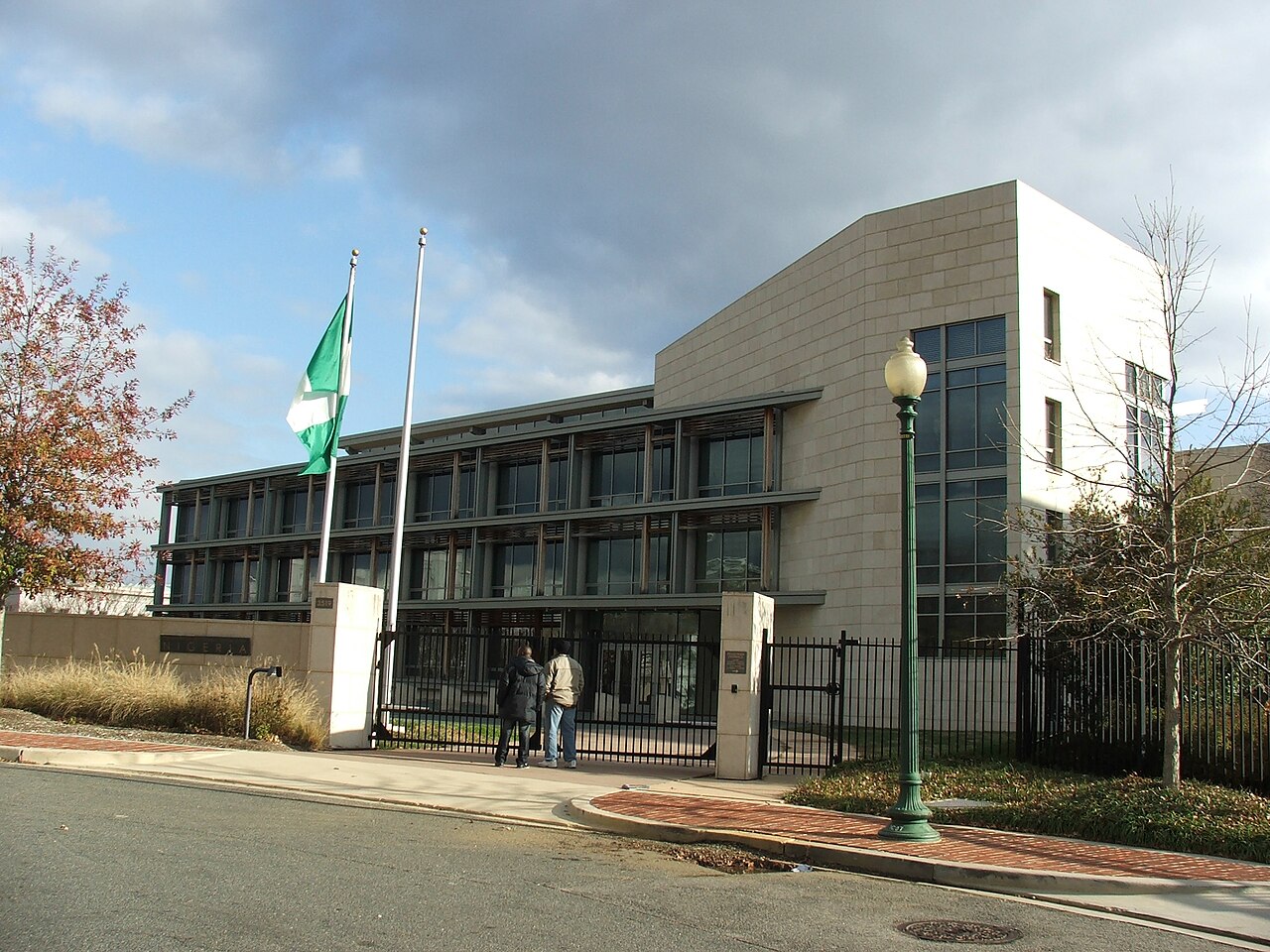
Many Nigerian missions encourage citizens to register with them. This helps in emergencies, such as evacuations, lost passports or legal trouble. Save the contact details of the Nigerian embassy or high commission in your country, and follow its official social media pages for updates on passport and consular services.
9. Understand your tax obligations in both countries
If you earn income in Nigeria, such as rent, dividends or business profits, you may have tax obligations there as well as in your country of residence. Speak to a qualified tax adviser to make sure you are compliant and to check whether a double taxation agreement applies.
10. Keep your documents organised and backed up
Scan and securely back up your passport, birth certificate, NIN slip, BVN details, academic certificates and property documents. Store the originals safely and share copies only with people you trust. Having everything in one place saves time and stress when you need to renew a document or prove your identity.
Stay connected, stay safe
Being far from home does not mean being disconnected. With the right documents, trusted channels and a healthy dose of caution, Nigerians in the diaspora can manage their affairs at home, support their families and invest safely.
Do you have a diaspora story or tip to share? Contact Flashinfong and we may feature it.