


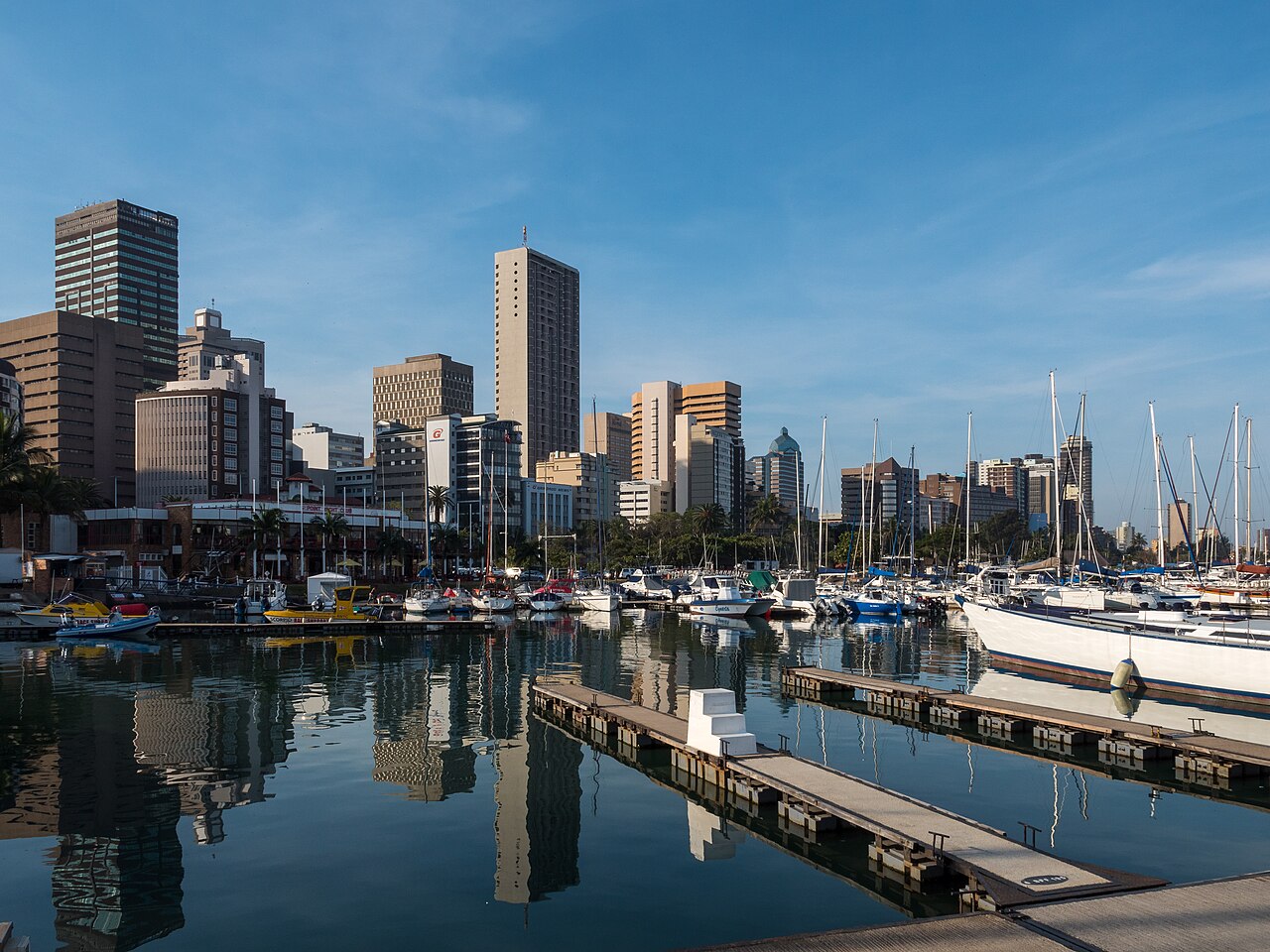
A South African court has refused a police request to ban anti-migrant marches in KwaZulu-Natal, but has placed tight conditions on how and when they can take place. The ruling, handed down on Friday, comes after weeks of violence against foreign nationals in Durban and as Nigeria and other African countries continue to repatriate their citizens.
According to Africanews and the Associated Press, Judge Peter Olsen allowed the populist March and March movement to go ahead with its demonstrations, but on stricter terms than the group had wanted.
What the court ordered
Under the ruling, marches may only take place between 9am and 3pm. Participants are barred from carrying weapons, including sticks, and may not cover their faces. Protesters must stick to designated routes and are forbidden from damaging property or setting buildings on fire.
A march planned for Thursday did not go ahead because of a temporary order earlier issued by the KwaZulu-Natal High Court. The matter is expected to return to court next year for a fuller hearing.
Why police wanted a ban
The application was brought on behalf of Acting Police Minister Firoz Cachalia, who argued that the marches threatened public order and the safety of foreign nationals. Police told the court they had intelligence about an alleged plot to burn down the Home Affairs Refugee Reception Centre in Berea, Durban, where asylum seekers apply for documents.
Lawyers for the police said Durban had “degenerated into lawlessness,” and that deploying more than 400 officers had not stopped the violence. Earlier this month, protests over a court ruling that eased access to asylum turned violent, with at least 24 cars torched and shops looted, the AP reported. The government has since sent more than 500 soldiers to KwaZulu-Natal.
National police chief Fannie Masemola said police did not want to stop lawful protest, but would act against lawbreaking, damage to property and attacks on people.
What the protesters say
The March and March movement, led by Jacinta Ngobese-Zuma, accuses the government and police of trying to deny its members their right to protest. The group’s legal representative, Xolani Zuma, told reporters that the real aim of the police application was “to try and silence the people.”
Groups like March and March claim that undocumented migrants take jobs, strain public services and add to crime in a country with very high unemployment. The movement had set an unofficial June 30 deadline for undocumented foreigners to leave South Africa. Police say much of the recent unrest has been fuelled by misinformation about a July Constitutional Court ruling on asylum access.
What it means for Nigerians and other Africans
According to South African police, at least five foreign nationals have been killed in anti-migrant violence this year, although some African governments say the true toll is higher. Police are still trying to establish the nationality of a victim killed last week.
Nigeria and Ghana have both repatriated citizens since the violence began in the weeks before the June deadline. Nigeria has so far evacuated more than 2,000 of its nationals on government-backed flights, and diaspora groups have urged Nigerians who remain in KwaZulu-Natal to stay alert, avoid protest areas and stay in contact with the Nigerian mission.
What happens next
South Africa holds local elections on November 4, and lawyers have warned that police are already stretched thin. Analysts expect migration to remain a heated campaign issue. The court’s conditions now give police clear grounds to act if marchers carry weapons, hide their faces or move outside the permitted hours, and both sides are due back in court next year.
Sources: Africanews, Associated Press (via Yahoo News / The Washington Post).