


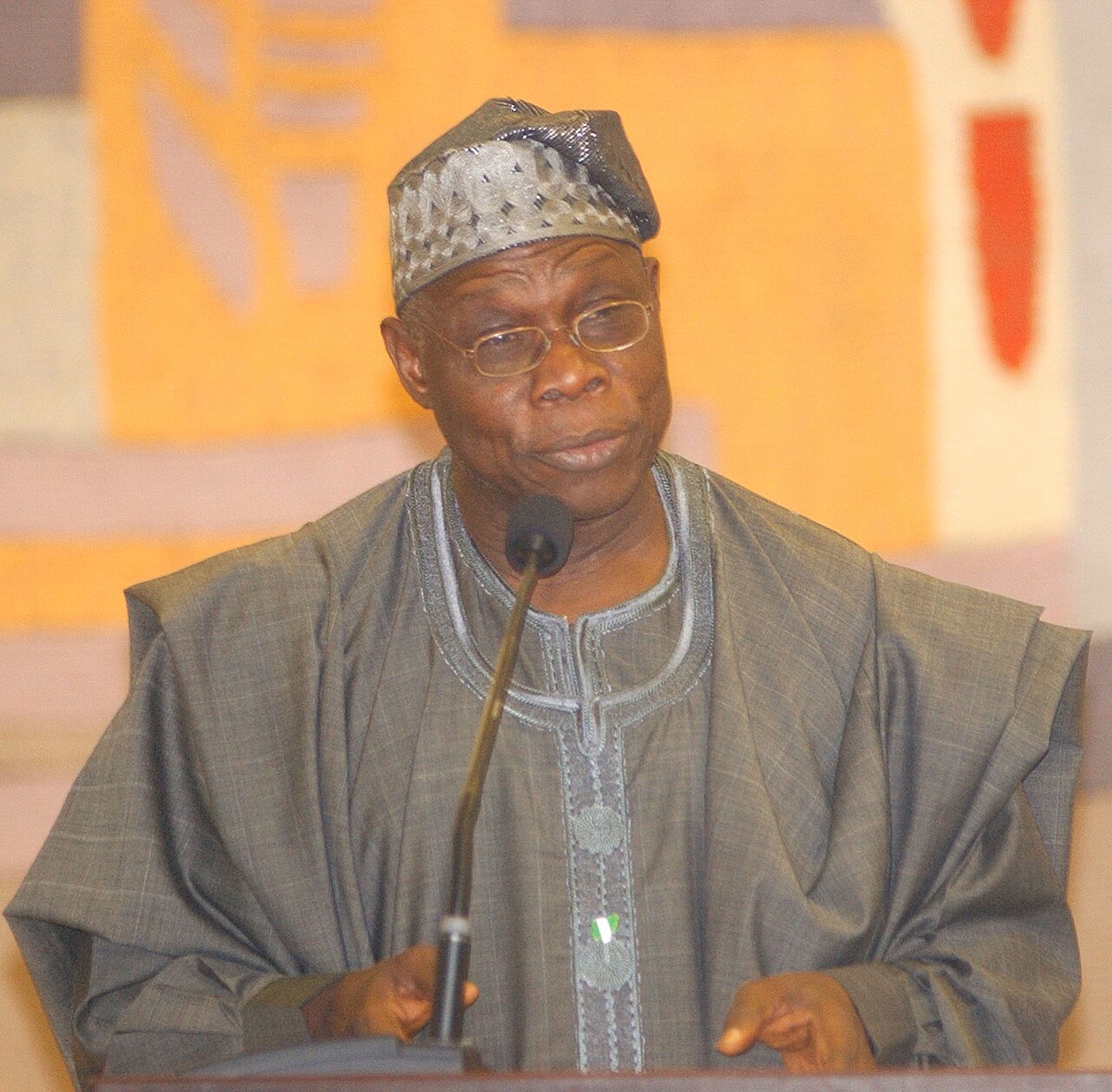
Former President Olusegun Obasanjo has launched a sharp attack on President Bola Tinubu’s borrowing policy, describing the President’s earlier defence of loans as “absolute nonsense” and warning that debt is worse than leprosy because it harms whole generations.
Obasanjo spoke on Friday, October 30, at the Ajibosin Platform, a public forum in Abeokuta, Ogun State, according to BusinessDay, Daily Trust, Vanguard and Tribune. The forum’s theme was the use of artificial intelligence to solve grassroots problems and drive national development.
What Obasanjo said
The former president was responding to remarks Tinubu made in April, when he told a delegation of Plateau leaders at the State House that borrowing “is not leprosy” and that his government would keep borrowing when necessary while working hard to repay.
Obasanjo rejected that comparison outright. According to Daily Trust, he said leprosy affects only one person, while “Debt destroys generations.”
He also questioned the fall of the naira over the decades. Recalling the time he started his farm about 47 years ago, he said the exchange rate was then roughly N1 to $1.85, and asked what Nigeria had done to end up at around N1,500 to the dollar. The naira actually closed October at about N1,346 per dollar on the official market.
Criticism of World Bank and IMF prescriptions
Obasanjo further argued that the World Bank and the International Monetary Fund were not designed with Nigeria in mind, noting that both institutions were created before the country’s independence. He said Nigeria had been discouraged from subsidising agriculture, even though farmers in developed countries receive heavy support from their governments.
He warned against adopting economic advice from foreign-trained experts without taking into account local realities, and questioned what Nigeria’s political leaders know and can do for citizens.
The numbers behind the debate
Obasanjo’s comments come as the Tinubu administration seeks National Assembly approval for a 2026–2027 Supplementary External Borrowing Plan worth $20.52 billion and €1.045 billion, meant for projects in power, transport, health and other sectors.
Data from the Debt Management Office (DMO), cited by BusinessDay, show Nigeria’s total public debt rose from N87.38 trillion in June 2023, shortly after Tinubu took office, to N166.79 trillion in June 2026. Part of that increase reflects the sharp depreciation of the naira, which raised the naira value of foreign-currency debt after exchange-rate unification.
Rising debt service costs have become a major talking point. Opposition candidates, including the ADC’s Atiku Abubakar and the NDC’s Peter Obi, have repeatedly criticised the government’s loans, while the Presidency has argued in the past that every sovereign nation borrows and that the loans fund critical infrastructure.
Presidency yet to respond
At the time of writing, there was no reported response from the Presidency to Obasanjo’s latest remarks. The Presidency has clashed with the former president before, with presidential spokesman Bayo Onanuga previously accusing him of not being an ideal example on matters of leadership.
What happens next
The Senate and House of Representatives are expected to consider the new borrowing request in the coming weeks. With the 2027 general election less than three months away, the debate over debt is likely to remain central to the campaign, and lawmakers will face pressure to scrutinise how the new loans will be used and repaid.
Sources: BusinessDay, Daily Trust, Vanguard, Tribune, Debt Management Office.