


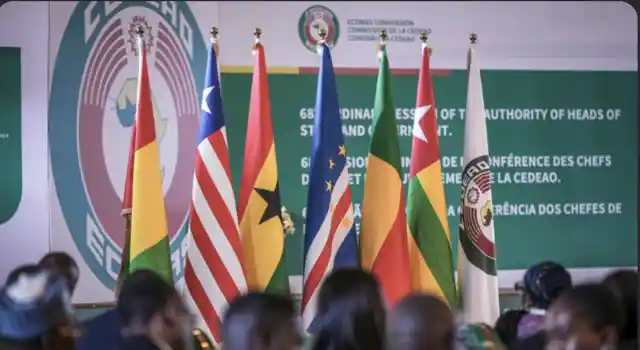
Burkina Faso, Mali and Niger have formally resumed talks with the Economic Community of West African States (ECOWAS). It is the clearest sign yet of a thaw since the three military-led countries walked out of the regional bloc.
The meeting took place in Dakar, Senegal, on Saturday, October 17. It is believed to be the first official ministerial-level meeting between the two sides, though contacts had continued at lower levels since early 2025.
Who was in the room
The delegation of the Alliance of Sahel States (AES), the confederation the three countries formed after quitting ECOWAS, was led by Burkina Faso’s Foreign Minister, Karamoko Traoré. The ECOWAS team was headed by Senegal’s Foreign Minister, Cheikh Niang.
What was agreed
Both sides agreed to work towards a framework for cooperation, despite the AES countries’ departure from ECOWAS. They also agreed to set up joint thematic working groups to draft a framework cooperation agreement.
In a joint statement, they said the talks were guided by “fraternity, mutual respect and openness,” and stressed “good neighbourly relations” and “respect for national sovereignty.”
No specific deals on trade, free movement of people or security were announced. It is also not clear whether the talks could eventually lead the three countries back into ECOWAS.
How we got here
Mali, Burkina Faso and Niger all came under military rule after coups between 2020 and 2023. Relations with ECOWAS broke down over sanctions and the bloc’s demands for a return to civilian rule.
The three countries formed the Alliance of Sahel States and officially left ECOWAS in January 2025. Since then they have:
- cut ties with France, their former colonial power, and strengthened relations with Russia;
- pursued their own security strategy against jihadist groups, with Niger quitting the Lake Chad Multinational Joint Task Force in March 2025;
- continued to battle insurgencies that have killed thousands and displaced millions over more than a decade.
Security remains dire. In Mali, coordinated attacks in April by JNIM, an al-Qaeda affiliate, and the Azawad Liberation Front reportedly killed Defence Minister Sadio Camara.
Why it matters for Nigeria
Nigeria shares a long border with Niger and is ECOWAS’s largest economy and most powerful member. The split has hit cross-border trade, livestock movement and joint security operations against Boko Haram and ISWAP in the Lake Chad region.
Any cooperation deal, especially on security and trade, could bring real benefits to communities in northern Nigeria and to traders who rely on the Nigeria–Niger corridor.
The Dakar meeting is only a first step, but after years of hostility it suggests West Africa’s two camps are ready to talk again.
Source: Premium Times.