


Another 111 Nigerians have been evacuated from South Africa as anti-immigrant violence continues. That brings the total brought home since June to 2,037.
Latest Batch: 44 Children Among Returnees
The latest group included 44 men, 23 women and 44 children. They arrived in Lagos on Thursday, October 8, on South African Airways flight SA060. The Ministry of Foreign Affairs announced the figures in a statement on Sunday, October 11, from its spokesperson, Oluwafemi Adeniyi.
Officials from the ministry, the Nigerians in Diaspora Commission (NiDCOM), the National Agency for the Prohibition of Trafficking in Persons (NAPTIP), the National Emergency Management Agency (NEMA) and other agencies received the returnees at the airport.
15 Evacuation Flights Since June
This was the 15th evacuation operation since June 10, when Nigeria began bringing citizens home because of xenophobic attacks and anti-immigrant protests. The first flight, with 258 people, landed on June 11. By mid-July, Air Peace and South African Airways flights had brought home 1,490 Nigerians.
Who Is Paying?
The federal government has fully paid for 1,388 of the 2,037 returnees. The Redeemed Christian Church of God (RCCG), led by Pastor Enoch Adeboye, donated $265,854 to fly home 500 distressed Nigerians. So far the donation has covered one-way tickets for 318 people, leaving 182 tickets still to be funded.
Fresh Violence in Johannesburg and Durban
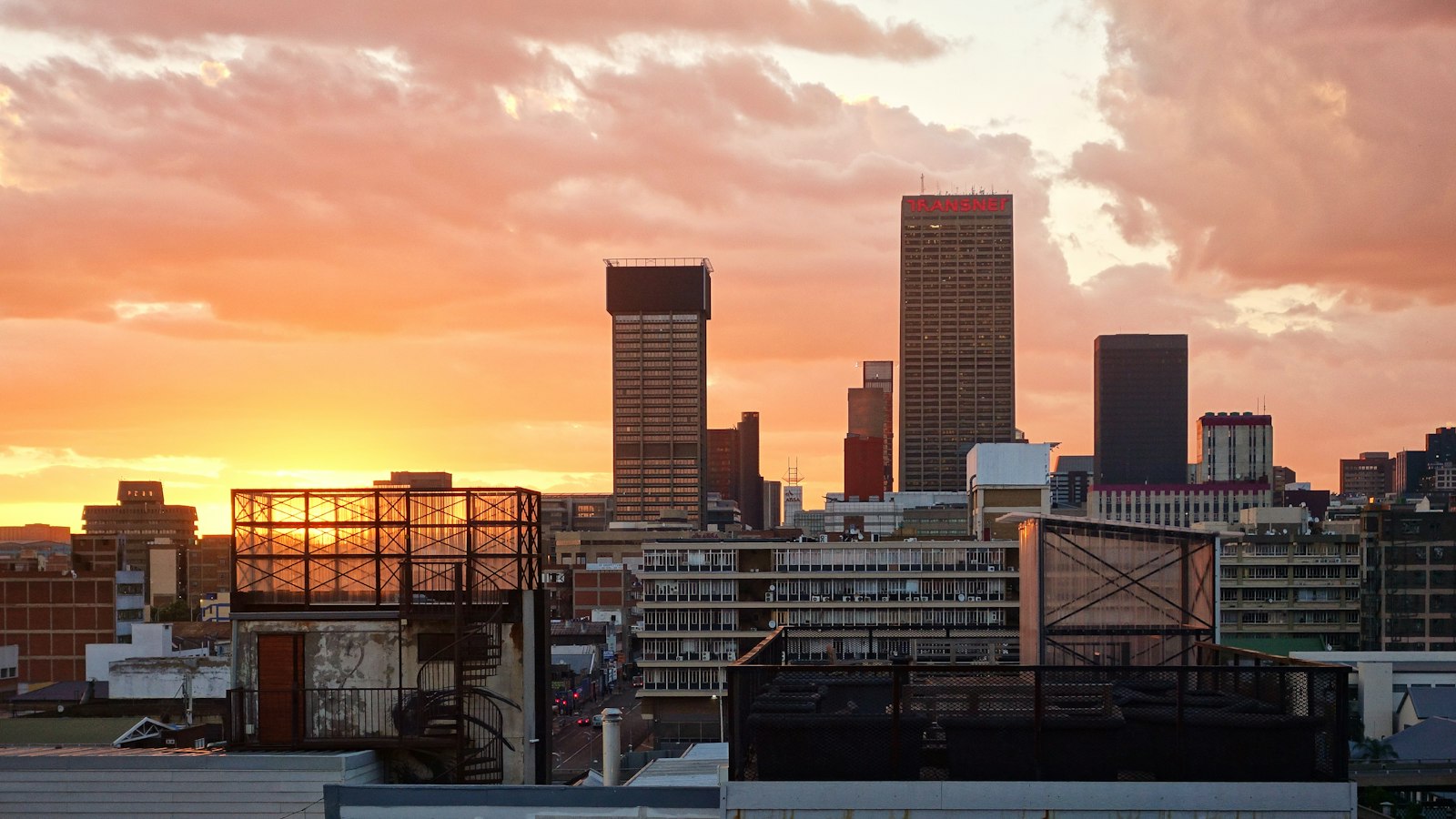
The latest flight followed new anti-immigrant protests. In early October, demonstrations in Johannesburg and Durban turned violent, with vehicles burned and foreign-owned businesses looted. The unrest reportedly followed protests over asylum processing and demands to deport undocumented migrants. South African authorities blamed part of the tension on misinformation about a Constitutional Court ruling on asylum applications.
In July, Nigeria condemned the killing of two citizens, Emeka Charles Iroegbu and Musa Yunana Joe, in separate incidents in Pretoria and Witbank on June 28. On August 31, Vice President Kashim Shettima, representing President Bola Tinubu, raised xenophobic and Afrophobic attacks at an African Union session in Luanda, Angola, and called for collective action by African leaders.
South Africa’s Position
South Africa rejects claims that it is hostile to other Africans. Its government says it condemns xenophobia, racism and discrimination, and insists that crimes by individuals should be handled through the courts, not through collective blame or vigilantism.
The issue is especially sensitive because of the two countries’ history. Nigeria strongly backed the struggle against apartheid, and Africa’s two largest economies remain closely tied through trade and politics. Both governments now face the task of stopping the crisis from turning into retaliation against each other’s citizens and businesses.
Advice for Nigerians in South Africa
The Ministry of Foreign Affairs urged Nigerians in South Africa to obey local laws, stay alert and put their personal safety first. They should keep in touch with the Nigerian High Commission in Pretoria or the Consulate-General in Johannesburg for consular help.
The ministry said the federal government remains committed to engaging South African authorities to address xenophobia and Afrophobia and to protect the safety, welfare and dignity of Nigerians living there. With 182 RCCG-funded tickets still to be filled, the evacuation programme is ongoing.
Source: Ministry of Foreign Affairs statement, as reported by ThisDay.