


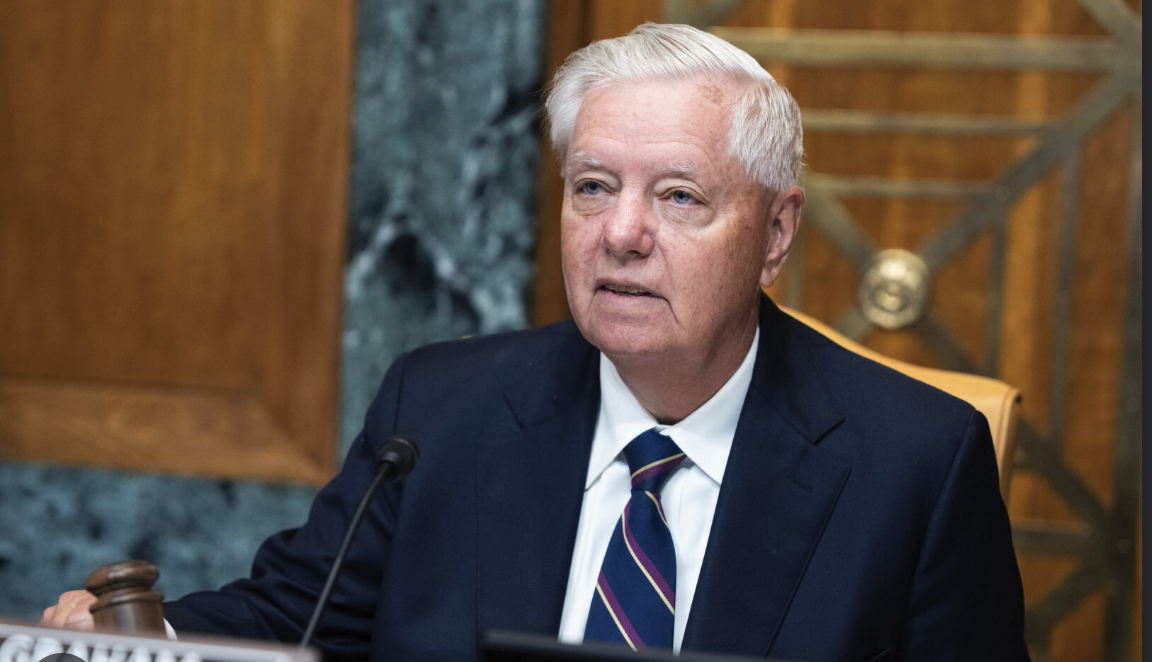
Senator Lindsey Graham Dies at 71, Leaving Lasting Legacy in U.S. Politics
WASHINGTON, D.C. – July 13, 2026 – U.S. Senator Lindsey Graham, one of the Republican Party’s most influential voices on national security and foreign policy, has died at the age of 71 following what his office initially described as a brief and sudden illness. A preliminary medical examiner’s report later indicated that Graham died from an aortic dissection associated with arteriosclerotic cardiovascular disease.
Graham’s death marks the end of more than three decades in Congress, where he built a reputation as a leading advocate for a strong U.S. military, robust alliances, and an assertive American role on the global stage. First elected to the U.S. Senate in 2002 after serving in the House of Representatives, the South Carolina Republican became one of Washington’s most recognizable lawmakers through his work on the Senate Judiciary, Budget, and Armed Services committees.
Throughout his career, Graham was a prominent voice on issues ranging from judicial appointments and immigration to defense spending and international security. In recent years, he remained an outspoken supporter of Ukraine in its war against Russia, a strong advocate for Israel, and a leading proponent of tougher sanctions on adversarial nations. Just days before his death, Graham had traveled to Ukraine to meet with President Volodymyr Zelenskyy and discuss continued U.S. support and additional sanctions against Russia.
Graham’s political journey was notable for his evolving relationship with President Donald Trump. After criticizing Trump during the 2016 Republican presidential campaign, Graham later became one of his closest allies in the Senate, supporting many of the administration’s legislative and foreign policy priorities while occasionally expressing independent views on select issues.
News of Graham’s passing prompted tributes from across the political spectrum and from leaders around the world. President Donald Trump described him as “like a member of the family,” while Ukrainian President Volodymyr Zelenskyy and Israeli Prime Minister Benjamin Netanyahu praised Graham’s unwavering support for their countries and his commitment to democratic values and international security. Flags at the White House were lowered to half-staff in his honor.
Graham’s death also carries immediate political implications. South Carolina Governor Henry McMaster is expected to appoint an interim successor, while a special election process will determine who completes the remainder of Graham’s Senate term. His passing temporarily narrows the Republican majority in the Senate at a time when Congress continues to debate major domestic and foreign policy initiatives.
Beyond politics, Graham was remembered by colleagues as a skilled legislator, a dedicated public servant, and a lawmaker willing to engage across party lines despite his firm conservative principles. His influence on U.S. foreign policy, judicial confirmations, and national security debates made him one of the most consequential Republican senators of his generation.
As tributes continue to pour in from Washington and around the world, Lindsey Graham leaves behind a legacy that shaped American politics for more than three decades and left a lasting impact on the nation’s role in global affairs.
Sources:
- Reuters
- Associated Press