


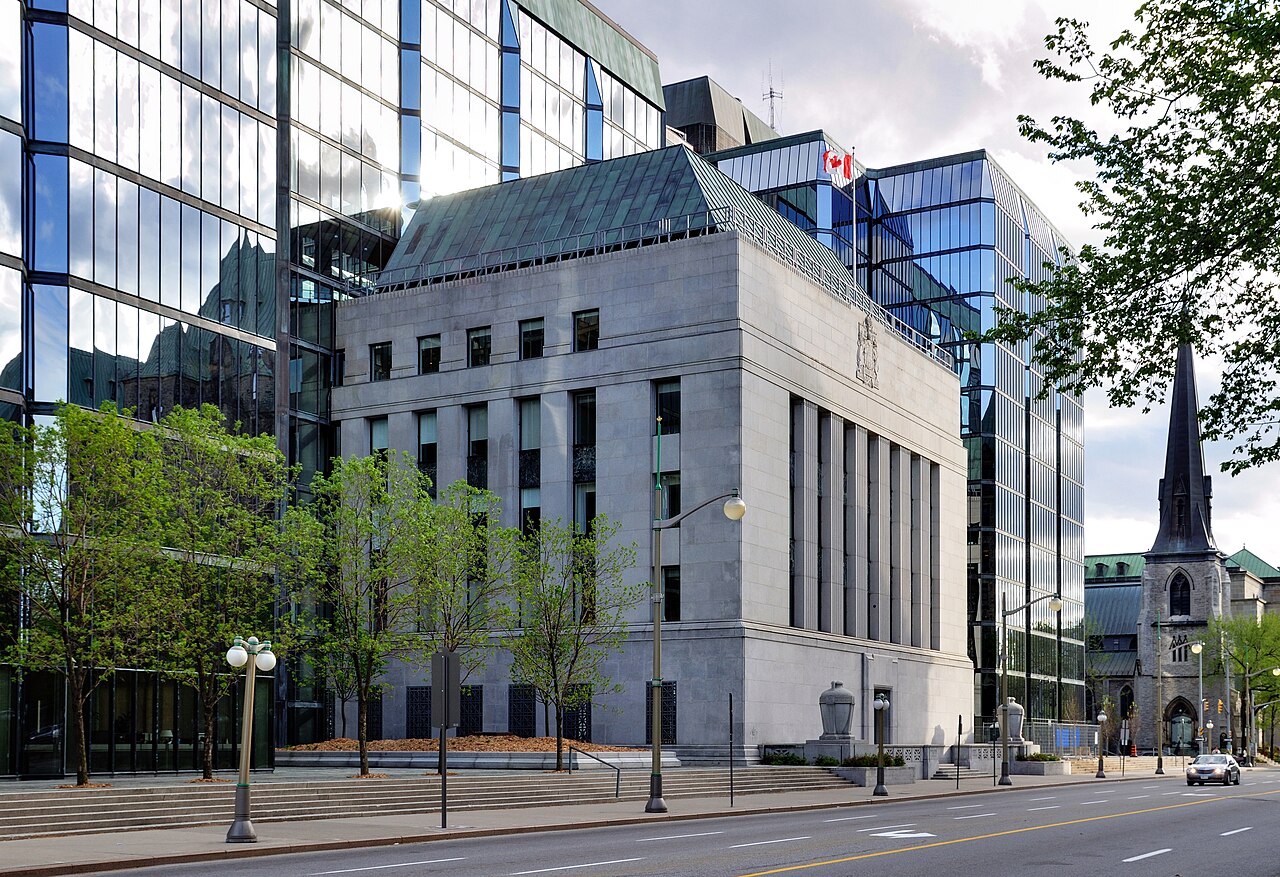
The Bank of Canada on Wednesday raised its key interest rate by a quarter of a percentage point to 2.5%, its first increase in more than three years, and warned that more hikes may be needed to keep inflation under control.
The move, announced in Ottawa, had been widely expected by economists after a Reuters poll last week predicted the increase. It came on the same day the U.S. Federal Reserve chose to keep its own rates on hold.
Oil Prices Behind the Rise
Governor Tiff Macklem said cost pressures were building, mainly as a result of the war in the Middle East, which has driven up global oil and fuel prices. Canada’s inflation rate climbed to 3.1% in September, according to Statistics Canada, largely because of higher gasoline prices.
The central bank said it was raising rates to reduce the risk that higher energy costs spread to other prices across the economy. It warned that the longer oil prices remain high, the more likely businesses are to pass those costs on to customers.
More Hikes Possible
The bank said further increases could be needed and that it would take decisions one meeting at a time. Bloomberg and The Globe and Mail both reported that the bank signalled more tightening may be required to contain the oil-price shock.
The decision marks a sharp turn for the Bank of Canada, which spent much of the past two years cutting rates and had held its policy rate at 2.25% for several meetings in a row.
What It Means for Canadians and Nigerians in Canada
Canada is home to a large and growing Nigerian community, many of whom moved in recent years for study, work and permanent residence. The rate rise will push up borrowing costs for households, especially those with variable-rate mortgages, car loans and lines of credit. CBC News reported that mortgage costs are already rising after the decision, which could further weaken the country’s housing market.
Newcomers planning to buy homes or take out loans may face higher repayments in the months ahead, while savers could see slightly better returns on deposits.
Sources: The Canadian Press via CKOM, Bloomberg, The Globe and Mail, CBC News, Kitco/Reuters poll. Image: Wikimedia Commons.