


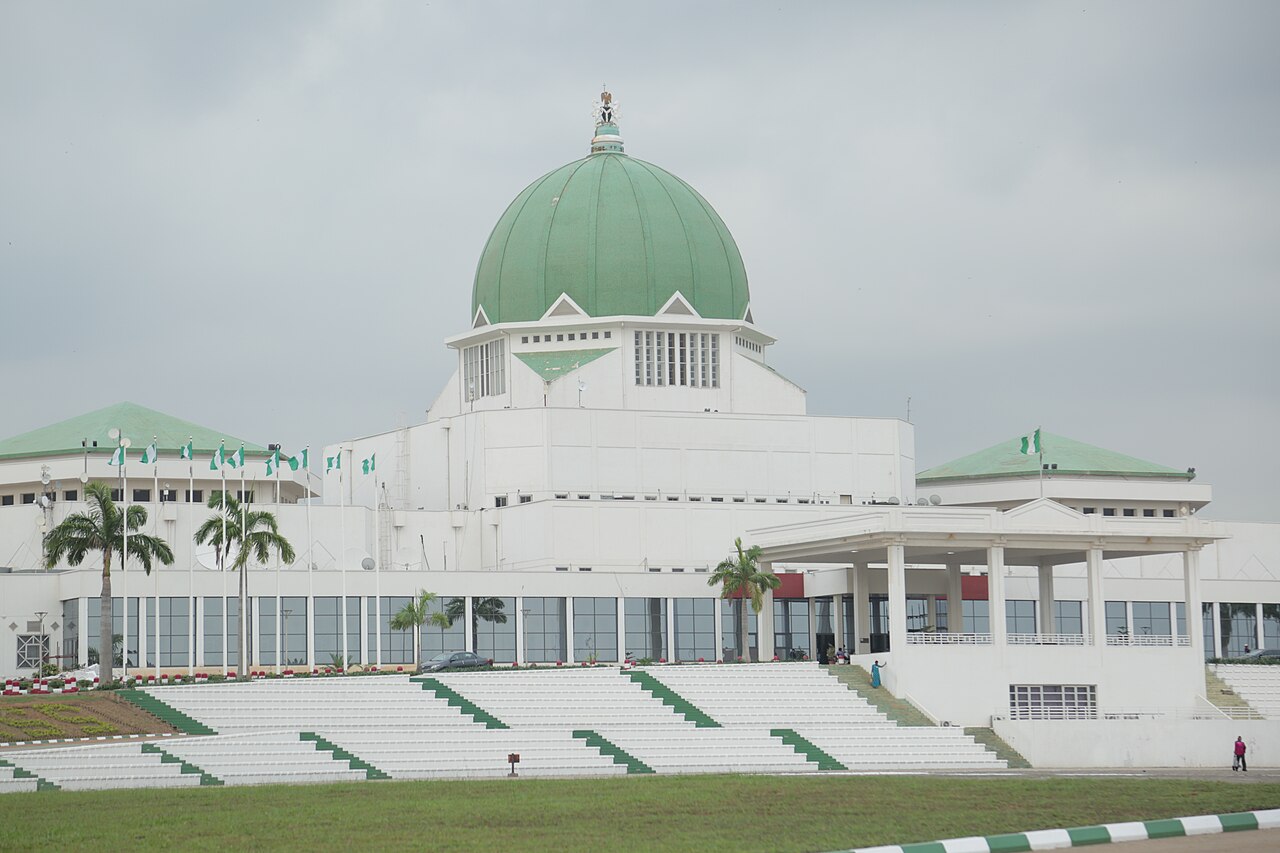
President Bola Ahmed Tinubu has asked the National Assembly to approve fresh foreign loans worth about $20.52 billion and €1.045 billion to fund projects across the country.
The request is contained in a letter read on the floor of the Senate on Tuesday by Senate President Godswill Akpabio, P.M. News reported. The president is seeking approval for the Federal Government’s 2026–2027 Supplementary External Borrowing Plan.
What the Money Is For
According to the letter, the loans will fund projects in key sectors, including:
- Power
- Transportation
- Healthcare
- Education
- Agriculture
- Water supply
- Security
The plan also targets job creation and financial management reforms, with projects spread across the 36 states and the Federal Capital Territory.
Tinubu: Borrowing “Essential” to Close Funding Gap
In the letter, the president wrote: “I submit the attached Federal Government 2026–2027 Supplementary External Borrowing Plan,” and asked the lawmakers for “early approval” so the projects can be carried out promptly.
He said it had “become essential to pursue prudent external borrowings to close the financing shortfall.”
Senate Refers Request to Committee
The Senate referred the request to its Committee on Local and Foreign Debts, chaired by Senator Haruna Manu, for detailed review. The Appropriations and Finance committees are also expected to contribute. Akpabio noted that parts of the framework had already appeared in earlier government borrowing plans and budget arrangements.
Growing Concern Over Nigeria’s Debt
The new request comes after the Senate approved a separate external borrowing plan of about $21 billion for 2025–2026 last year. Critics have raised concerns about Nigeria’s rising debt and the large share of government revenue spent on debt servicing.
Supporters argue that the country needs long-term financing for infrastructure that can drive growth, create jobs and improve living standards, especially in power and transport. Opponents, however, warn that new loans must be carefully monitored to ensure the money is spent on the projects it is meant for.
What Happens Next
The Senate committee is expected to examine the details of the plan, including the lenders, interest rates and specific projects, before reporting back to the full Senate. The House of Representatives will also need to consider the request.
Sources: P.M. News, Vanguard, Pulse, allAfrica. Image: Wikimedia Commons (file photo).