


The independent committee set up to investigate the deaths of 33 detainees in the custody of the Nigeria Security and Civil Defence Corps (NSCDC) in Minna, Niger State, has recommended about ₦1.4 billion in compensation for victims’ families and survivors, free education for the children of the dead, and a wide overhaul of how the corps detains suspects. Details of the panel’s report, submitted to the Minister of Interior, Olubunmi Tunji-Ojo, on Tuesday, October 27, were published on Friday by Premium Times, while Sahara Reporters also reported on its findings.
According to the reports, 14 of the 33 people who died were children. The panel concluded that the deaths, which occurred overnight between September 16 and 17, 2026, were foreseeable and preventable.
What happened in the Minna cell
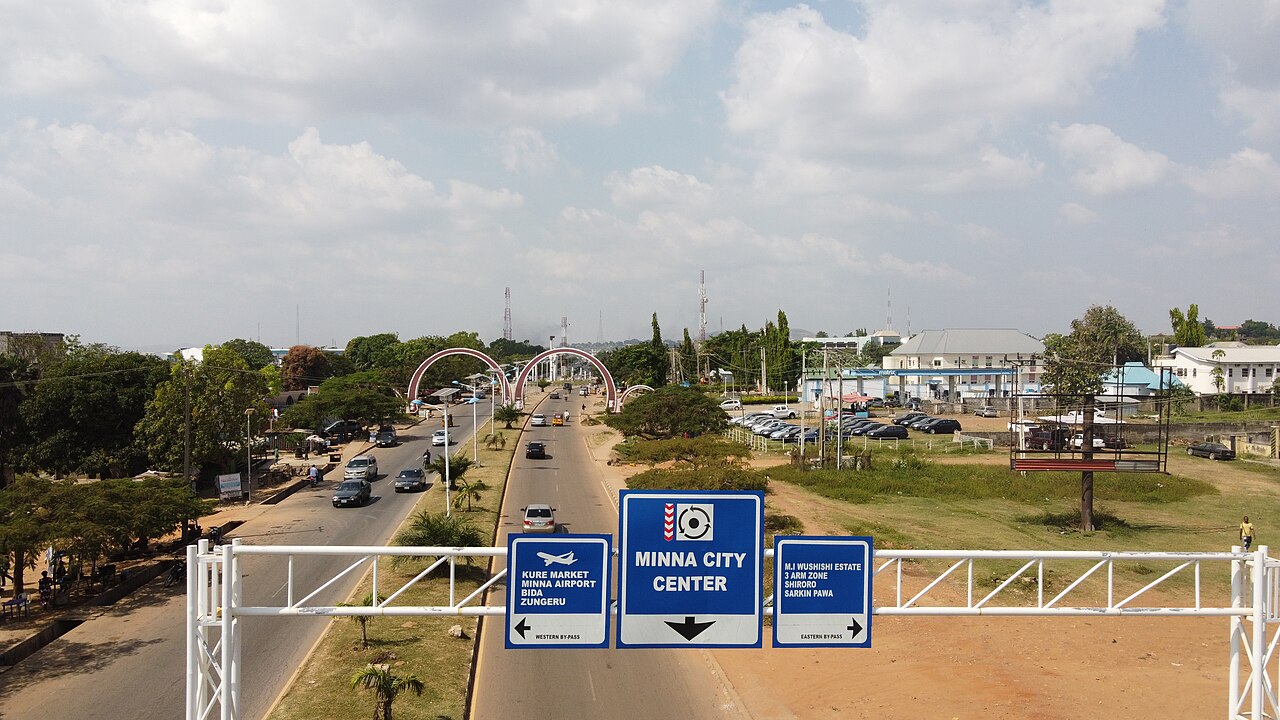
The detainees were arrested on September 15 and 16 during NSCDC raids on suspected illegal mining sites in the M.I. Wushishi area of Niger State. They were taken to the NSCDC Niger State Command in Minna.
According to Premium Times, the committee found that about 50 men and boys were held in a male cell of roughly 12 square metres, around five times the number the committee considered appropriate. The cell reportedly had a solid metal door, poor ventilation and lighting, no running water and no working toilet. Survivors told the committee that food and water were scarce or absent, and that some detainees drank their own urine or sweat in the heat.
Sahara Reporters, citing the report, said the panel found that officers ignored prolonged cries and banging on the cell door and did not provide emergency help. A guard reportedly refused to open the cell without armed backup, and the screaming stopped at about 2:30am. The cell was not opened until around 7am.
Cause of death and missed warnings
The panel said the most likely cause of death was acute respiratory failure consistent with environmental asphyxia, meaning a lack of oxygen in the overcrowded cell, with heat stress and dehydration as likely contributing factors. Those findings are provisional pending toxicology results. Only three of the 33 bodies underwent post-mortem examination, because the other 30 had been buried before the medical team arrived.
The committee rejected claims of a disease outbreak and said survivors’ allegations that a substance was sprayed into the cell could not be proven. It also reported that warnings were ignored: a nurse at the command reportedly cautioned that the overcrowding could cause suffocation, and the command’s legal officer advised that the suspected offence was bailable and raised concerns about holding children.
The panel further found that the detentions breached constitutional safeguards, the Administration of Criminal Justice Act and child-protection rules, that children were held with adults, and that the cells were cleaned and altered before investigators inspected them on September 25.
The panel’s recommendations
According to Premium Times, the committee recommended ₦30 million for each of the 33 bereaved families (₦990 million in total) and ₦10 million for each of the 41 survivors (₦410 million). It proposed that the money be managed through a trust or escrow arrangement involving the National Human Rights Commission and the Minna Emirate Council, to prevent diversion.
Other recommendations include:
- Full scholarships, from primary to tertiary level, for the surviving children of those who died.
- Funded medical rehabilitation and psychological support for survivors, with priority for nine minors.
- A formal apology from the Interior Minister on behalf of the Federal Government.
- Improved detention facilities, training and independent inspection within the NSCDC, plus tamper-proof CCTV in cell blocks.
- Sanctions for four officers over “gross management incompetence”, and the lifting of suspensions on 18 officers the panel found not culpable.
Background: national outcry
The deaths triggered protests in Minna in September. Early reports, including by Africanews, put the death toll at 37; the panel’s report settles on 33. President Bola Tinubu ordered a full investigation, and the Interior Ministry set up the 10-member committee, chaired by Jonathan Kure, a retired Deputy Director-General of the Department of State Services, according to Sahara Reporters. Around 20 NSCDC officers were suspended at the time.
What happens next
The Federal Government has not yet said publicly whether it accepts the recommendations or when compensation might be paid. Families of the victims have demanded justice, and rights groups are expected to press for prosecutions as well as payouts. The government’s white paper or official response to the report will be the next key step to watch.
Sources: Premium Times, Sahara Reporters, Africanews.