


The Federal Government has dismissed reports that Nigeria sold solid minerals worth $700 billion to the United States, describing the claims as false.
Minister of Solid Minerals Development, Dele Alake, made the clarification on Wednesday in Abuja while inaugurating the Nigeria–United States Committee on Strategic Cooperation in the Solid Minerals Sector, according to a statement by the ministry’s spokesperson, Kania Maliki Andeyaba, Punch reported.
“There Is No Sale of Any Nigerian Asset”
“There is no sale of any Nigerian asset. There’s nothing exchanging hands,” Alake said.
He explained that the agreement signed between both countries is a government-to-government framework designed to connect American investors with Nigerian mining operators. “We created a platform to facilitate mingling of US investment ventures with Nigeria’s local operators,” he said.
The minister also rejected claims circulating online that the United States was taking over Nigeria’s mineral resources or its security architecture as part of the arrangement.
Where the Deal Came From
The Nigeria–US framework on solid minerals was established on the sidelines of the 81st United Nations General Assembly in New York in September. The newly inaugurated committee is expected to oversee how the cooperation works in practice, including attracting investment, technology and expertise into Nigeria’s mining sector.
Why the Rumour Spread
Critical minerals such as lithium, tin, columbite and rare earths have become hot commodities worldwide because of their use in batteries, electric vehicles, phones and defence equipment. The United States has been signing minerals agreements with several countries to secure supplies, and some of those deals have attracted controversy, which may explain why claims about Nigeria spread quickly on social media.
Nigeria has large deposits of minerals including gold, lithium, tin, iron ore, bitumen and limestone, but the sector has long been dominated by small-scale and illegal miners. The government has made developing the industry a key part of its plan to diversify the economy away from oil.
What Nigerians Should Watch
While the ministry insists nothing has been sold, analysts say Nigerians should keep an eye on the details of any investment deals that come out of the partnership, including who gets mining licences, how much revenue the government earns and how local communities benefit.
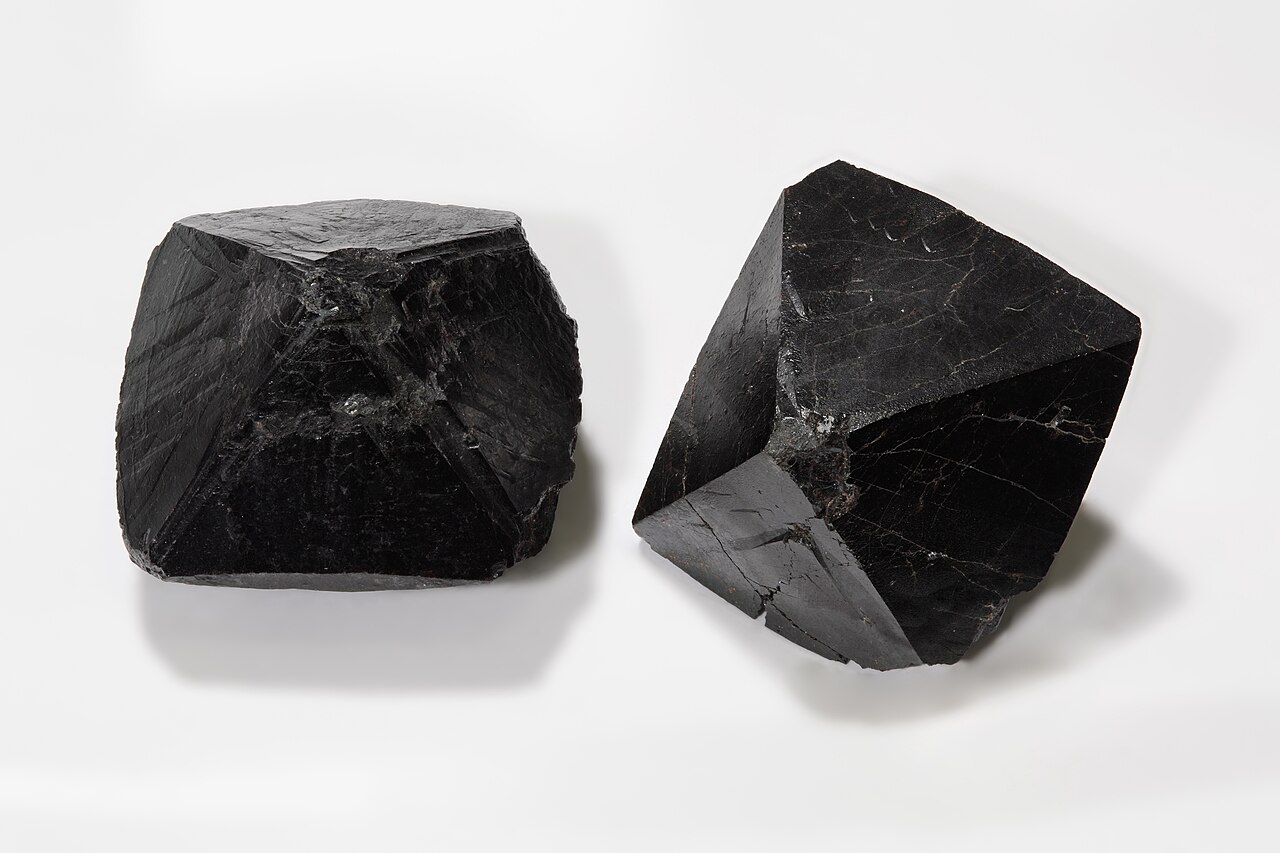
Sources: Punch via Ghanamma. Image: Wikimedia Commons (file photo of tin ore).