


How Nigerians in the USA Can Build a Strong Credit Score in 2026 – Complete Guide
One of the most common financial challenges Nigerians face when they arrive in the United States is the absence of a credit history. In Nigeria, your financial reputation is built on cash transactions, business relationships, and personal trust. In the United States, your financial life is largely determined by a three-digit number called your credit score — and without one, even the most financially responsible Nigerian can find themselves locked out of apartments, car loans, mortgages, and even some job opportunities.
The good news is that building a strong credit score in the USA is entirely achievable, even if you are starting from zero. This guide explains exactly how Nigerians in America can build and improve their credit score in 2026, step by step.
What is a Credit Score and Why Does It Matter?
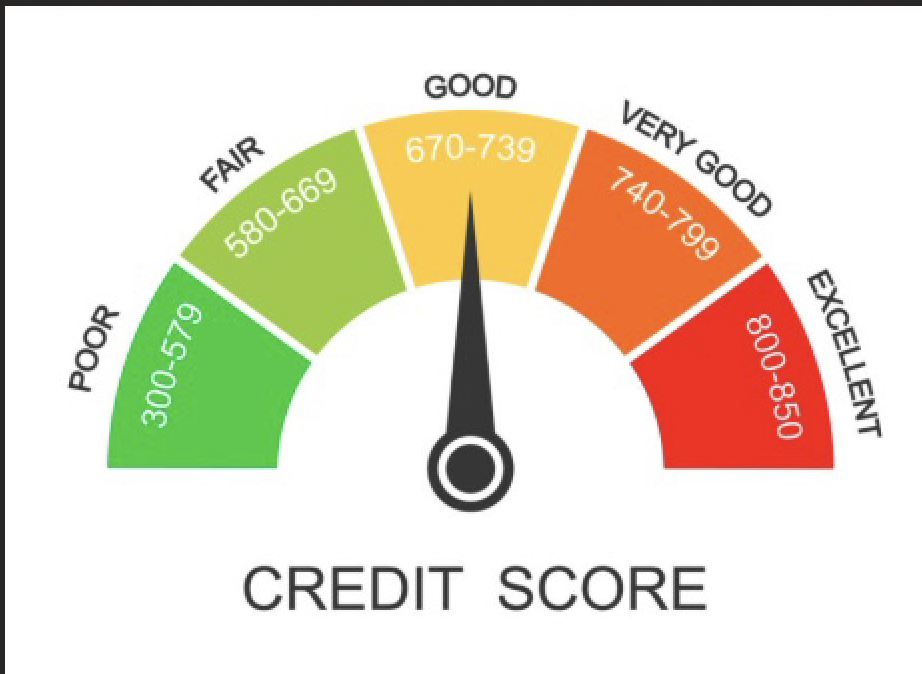
A credit score is a number between 300 and 850 that tells lenders how reliably you manage borrowed money. The higher your score, the more trustworthy you appear to banks, landlords, and creditors. In the United States, your credit score affects almost every major financial decision you make.
A poor credit score or no credit score can mean being denied an apartment even when you can afford the rent. It can mean paying higher interest rates on car loans or being unable to get one at all. It can mean being unable to qualify for a mortgage to buy a home, paying higher insurance premiums, and in some industries even affecting your ability to get a job.
The three major credit bureaus in the US — Equifax, Experian, and TransUnion — collect your financial data and calculate your score based on several factors. Payment history is the most important, making up 35 percent of your score. Credit utilization — how much of your available credit you are using — accounts for 30 percent. The length of your credit history makes up 15 percent, while the mix of credit types and new credit inquiries account for the remaining 20 percent.
Step 1 – Get a Social Security Number or ITIN
Before you can begin building credit in the US, you need either a Social Security Number or an Individual Taxpayer Identification Number. Most Nigerians on work visas will already have an SSN through their employer. If you are not eligible for an SSN, you can apply for an ITIN through the IRS, which can be used to open certain bank accounts and apply for credit cards designed for immigrants and newcomers.
Step 2 – Open a US Bank Account Immediately
Opening a checking and savings account at a US bank is your first step toward establishing a financial footprint in America. Many major banks — including Chase, Bank of America, Wells Fargo, and credit unions — offer accounts for newcomers with limited or no credit history. Having an active bank account is a prerequisite for most credit products and demonstrates financial stability to lenders.
Step 3 – Start with a Secured Credit Card
A secured credit card is the fastest and most reliable way for Nigerians to start building credit in the US. With a secured card, you deposit a set amount of money — typically $200 to $500 — which becomes your credit limit. You then use the card for regular purchases and pay the balance in full each month. The card issuer reports your payment behaviour to the credit bureaus, gradually building your credit history.
Some of the best secured cards for newcomers in 2026 include the Discover it Secured Card, which rewards good behaviour by eventually converting to an unsecured card and returning your deposit. The Capital One Platinum Secured Card and the Citi Secured Mastercard are also strong options that are accessible to people with no US credit history, including those using an ITIN rather than an SSN.
The key rules with a secured card: never miss a payment, never pay late, and try to keep your balance below 30 percent of your credit limit at all times.
Step 4 – Become an Authorised User on Someone Else’s Card
If you have a trusted friend or family member in the US with a good credit history and a long-standing credit card account, ask them to add you as an authorised user on their card. As an authorised user, their positive payment history on that card gets added to your credit report, giving your score a boost even before you have built up your own history. You do not need to actually use the card — simply being listed as an authorised user is enough to benefit from their good credit standing.
Step 5 – Apply for a Credit Builder Loan
Credit builder loans are products specifically designed to help people with no credit history establish one. Unlike a regular loan where you receive money upfront, a credit builder loan works in reverse — you make monthly payments into a savings account, and at the end of the loan term you receive the money you paid in, minus a small fee. Throughout the process, your payments are reported to the credit bureaus, building your credit history month by month.
Many credit unions and community banks offer credit builder loans. Online services like Self (formerly Self Lender) and Credit Strong specialize in this product and are accessible to Nigerians across all US states.
Step 6 – Pay Every Single Bill on Time
Payment history is the single most important factor in your credit score, accounting for 35 percent of your FICO score. One late payment — defined as 30 days or more past the due date — can drop your score significantly and stay on your credit report for up to seven years.
Set up automatic payments for every recurring bill. Never miss a payment on your credit card, loan, or any account that reports to the credit bureaus. If you are going through a financially difficult period, contact your creditor before you miss a payment — most have hardship programmes that can help you avoid a negative mark on your report.
In 2026, mortgage lenders are also beginning to accept newer credit scoring models like VantageScore 4.0 and FICO 10, which can factor in rent and utility payments as part of your credit profile. Services like Experian Boost allow you to add your phone bill, electricity bill, and streaming service payments to your Experian credit report, potentially giving your score an immediate lift.
Step 7 – Keep Your Credit Utilization Low
Credit utilization — the percentage of your available credit that you are using — is the second most important factor in your credit score. If your credit card has a $1,000 limit and you carry a $700 balance, your utilization is 70 percent, which will hurt your score significantly. Keeping utilization below 30 percent is the standard advice, but the best scores are typically associated with utilization below 10 percent.
The simplest way to keep utilization low is to pay your credit card balance in full every month. If you are carrying a balance, making multiple smaller payments throughout the month can help keep your reported utilization low.
Step 8 – Check Your Credit Report Regularly
Every American — and every Nigerian living legally in the US — is entitled to one free credit report per year from each of the three major bureaus through the official website annualcreditreport.com. Check your report at least once a year to make sure all the information is accurate. Errors on credit reports are more common than most people realise, and a single mistake — such as an account you never opened or a late payment that was actually on time — can unnecessarily lower your score.
If you find an error, you can dispute it directly with the credit bureau online, by phone, or by mail. Errors that are successfully disputed must be corrected or removed within 30 days.
Step 9 – Do Not Apply for Too Many Credit Products at Once
Each time you apply for a new credit card or loan, the lender performs a hard inquiry on your credit report. Too many hard inquiries in a short period signals desperation to lenders and can lower your score. Space out your credit applications and only apply for products you genuinely need and are likely to be approved for.
Step 10 – Be Patient and Consistent
Building a strong credit score takes time. Most Nigerians who follow the steps above will begin to see a meaningful credit score appear within three to six months of opening their first secured card or credit builder loan. Reaching a good score — 670 and above — typically takes 12 to 24 months of consistent responsible behaviour. Reaching excellent credit — 750 and above — requires several years of sustained good habits.
The Nigerian community in the US has demonstrated time and again the ability to thrive professionally and financially in America. Building a strong credit score is one of the foundational steps that unlocks the full range of financial opportunities available in this country — from affordable mortgages to business loans to the best credit card rewards programmes.
FlashInfoNG will continue to provide practical financial guidance for Nigerians in the United States navigating the American financial system.
Sources
- ink “annualcreditreport.com” to
https://www.annualcreditreport.com - Link “USCIS website” to
https://www.uscis.gov