


Middle East war, global oil prices, Strait of Hormuz, oil supply deficit, Brent crude, energy crisis, world economy, breaking world news, July 22 news.
The ongoing conflict in the Middle East is creating fresh uncertainty in global energy markets, with industry analysts warning that the world could experience a significant oil supply deficit before the end of 2026.
A Reuters survey of market analysts shows that escalating military tensions involving Iran and continued disruptions around the Strait of Hormuz have dramatically changed earlier forecasts. Instead of expecting a surplus, analysts now predict a global oil supply deficit of approximately 1.5 million barrels per day this year.
Strait of Hormuz Remains the World’s Most Critical Oil Chokepoint
The Strait of Hormuz remains one of the world’s most important maritime routes, with roughly one-fifth of globally traded oil passing through the narrow waterway.
Recent attacks on commercial shipping, military operations, and renewed security concerns have disrupted crude exports from Gulf producers, forcing energy companies and governments to reassess supply risks.
Oil Prices Continue to Rise
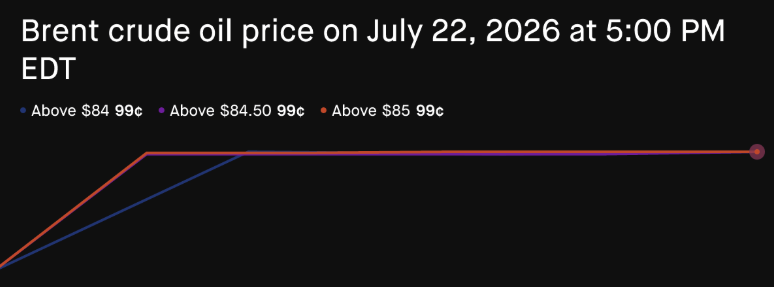
Global oil prices have reacted sharply to the worsening conflict.
Analysts note that Brent crude has experienced substantial gains as investors price in the risk of prolonged supply disruptions. Energy traders remain concerned that additional attacks on shipping infrastructure or export terminals could further tighten supplies and increase fuel costs worldwide.
Higher oil prices are already affecting:
- Transportation costs
- Airline operating expenses
- Manufacturing
- Food distribution
- Consumer fuel prices
Energy Experts Warn of Long-Term Economic Consequences
Although some forecasts suggest oil markets could return to surplus during 2027 as production increases outside the Middle East, analysts caution that much depends on whether the conflict stabilizes.
Additional production from the United States, Latin America, and OPEC+ members may eventually ease pressure, but continued fighting around strategic shipping routes could delay any market recovery.
Governments Closely Monitoring the Situation
Governments across Europe, Asia, and North America are closely monitoring developments due to concerns over inflation, energy security, and global economic growth.
Central banks are also watching oil prices carefully, as sustained increases could complicate efforts to reduce inflation and influence future interest-rate decisions.
Several countries have urged restraint while diplomatic efforts continue to prevent further escalation across the Gulf region.
Why This Story Matters
The Middle East remains the world’s most strategically important energy-producing region. Any prolonged disruption to oil exports could affect virtually every major economy through higher fuel prices, increased transportation costs, and slower economic growth.
With tensions remaining high and military operations continuing, energy markets are expected to remain volatile in the coming weeks.
Sources
- Reuters – Global Energy Markets Analysis
- Reuters – Middle East Conflict Coverage
- The Guardian – Middle East Live Updates
Source Articles:
- Reuters: Middle East war deepens 2026 oil deficit outlook, but 2027 glut still looms.
- The Guardian: Iran warns of ‘eye for an eye’ response as tensions escalate.