


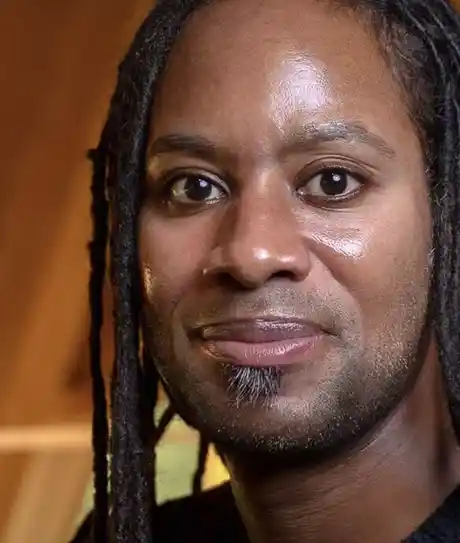
The late Cambridge University sociologist Professor Jason Arday has been cleared of plagiarism allegations in a new review by a major academic publisher, two months after his death at the age of 41.
Scientific publisher Taylor & Francis investigated his research papers and concluded that the allegations were not substantiated, according to reports first published by Byline Times. The publisher found no evidence to support claims of plagiarism or data fabrication.
A second clearance
The new finding is the second time Arday’s work has been cleared. Earlier, Liverpool John Moores University, which awarded his PhD in 2015, reviewed his doctoral thesis after the allegations surfaced. It concluded that minor attribution errors were honest mistakes rather than intentional deception.
Arday had always denied plagiarism, while acknowledging some mistakes in his doctoral work.
How the controversy unfolded
The allegations gained wide attention in July 2026, when The Times published an analysis of his 2015 PhD thesis that identified passages it said were “identical or near-identical” to an earlier paper by another researcher. Questions were also raised publicly about his qualifications and about his claims of raising millions for charity through endurance challenges.
Cambridge initially stood by him, pointing to Liverpool John Moores University’s review. The university later announced an investigation following what it called “new information” about his “academic qualifications and honorary appointments.”
Arday resigned as Professor of Sociology of Education on August 5. In his resignation statement, he said the accusations and public commentary had taken a heavy toll on him and his loved ones, and that stepping down should not be read as accepting the narratives about him.
His death and the reaction
Arday was found unresponsive at a home in Battersea, south London, on Friday, August 14, 2026, little more than a week after his resignation. The Metropolitan Police said the death was being treated as unexpected but not suspicious.
Cambridge Vice-Chancellor Deborah Prentice said she was “desperately saddened” by his death, and the university said it would review its hiring processes and the circumstances of his employment.
His family said he had faced “a campaign of sustained abuse” for more than three years. More than two dozen academics and politicians described the allegations as a “smear campaign” against Black people in influential positions, and around 30,000 people have signed a petition, backed by the Good Law Project, calling on the government to order an inquiry into how the controversy was reported.
A remarkable life
Arday’s story inspired people around the world. He said he had overcome autism, dyslexia and developmental delays, was unable to speak until the age of 11 and could not read or write until his late teens. In 2023, at the age of 37, he became the youngest Black professor ever appointed at the University of Cambridge.
He was known for his research on race, inequality and education, and for championing access for underrepresented students.
For his supporters, the new finding brings some measure of vindication, but also renewed questions about how public figures, especially Black academics, are treated when allegations are made against them.
If you are struggling or affected by any of the issues in this story, please reach out to someone you trust or contact a local support service.
Sources: PBS NewsHour, Peoples Gazette, Byline Times.